Lockheed Martin’s PAC-3 MSE Achieves Successin Test with LTAMDS

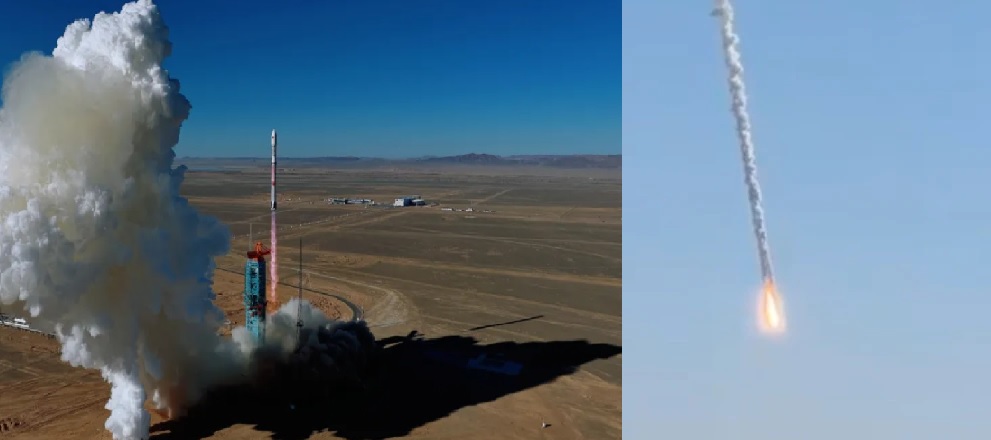
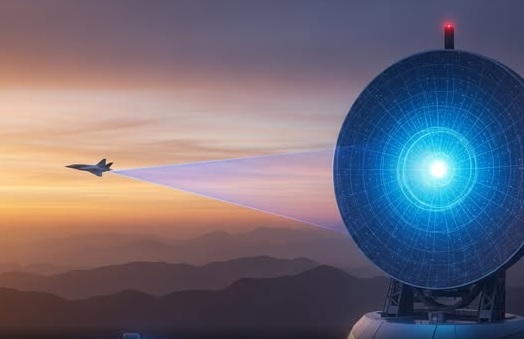
Lockheed Martin has announced a major milestone in the evolution of U.S. air and missile defense systems, confirming that its Patriot Advanced Capability-3 Missile Segment Enhancement (PAC-3 MSE) successfully intercepted an airborne target using the Lower Tier Air and Missile Defense Sensor (LTAMDS). The test, conducted under the U.S. Army’s modernization program, showcased the system’s ability to deliver 360-degree engagement capability, a long-sought feature that will significantly enhance protection against advanced aerial threats.
According to Lockheed Martin, the interception was achieved by guiding the PAC-3 MSE missile with targeting data from LTAMDS’s secondary sector, a demonstration that proves the missile’s integration with the Army’s newest sensor technology. This achievement highlights the next stage in developing the Integrated Air and Missile Defense (IAMD) system, which will allow soldiers to counter threats such as hypersonic weapons, cruise missiles, and UAVs from any direction.
Brian Kubik, Vice President of PAC-3 Programs at Lockheed Martin, emphasized the importance of the test, stating: “PAC-3 continues to demonstrate advanced, reliable performance in increasingly complex operational environments. Delivering 360-degree engagement capability will enable soldiers to defend against threats from any direction, enhancing the U.S. Army’s IAMD capabilities.”
The PAC-3 MSE is already regarded as one of the most advanced air defense interceptors, known for its high agility, hit-to-kill accuracy, and proven performance in combat. Its role in protecting U.S. and allied forces has been expanding, particularly in the wake of recent conflicts where advanced missile threats have tested traditional air defense networks.
Lockheed Martin also revealed that demand for the PAC-3 MSE is at an all-time high. The company plans to deliver over 600 PAC-3 MSE missiles in 2025, a record-setting figure. Based on current contract values, this is estimated at around €550 million (approx. $600 million). To meet the surge in international orders, Lockheed Martin is working closely with the U.S. Army to accelerate production and deliveries, especially to European and Asia-Pacific allies who see the PAC-3 as essential in countering rising missile threats.
The successful integration with LTAMDS positions PAC-3 MSE at the heart of the Army’s future air defense architecture, complementing other systems like THAAD and supporting NATO partners’ missile defense strategies. Defense analysts note that the test also demonstrates Washington’s commitment to staying ahead in missile interception technology, particularly as rivals like China, Russia, and North Korea continue to advance their missile capabilities.
With this achievement, the PAC-3 MSE solidifies its role as a critical shield in modern warfare, offering unmatched flexibility, precision, and readiness to face evolving threats across multiple theaters of conflict.
✍️ This article is written by the team of The Defense News.