Lockheed Martin Wins $510 Million Deal to Build Next-Gen GPS III Satellites
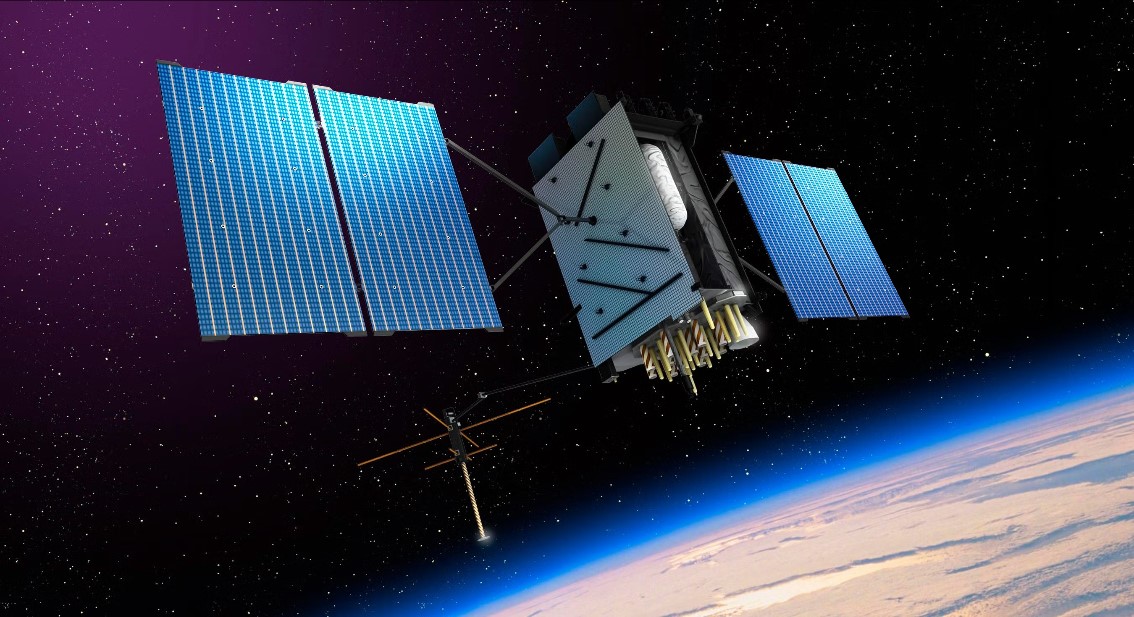
Lockheed Martin has secured a major contract worth nearly $510 million to build two new advanced Global Positioning System (GPS) III Follow-On satellites for the U.S. military. The U.S. Department of Defense confirmed the $509.7 million contract modification, which covers production of Space Vehicles 21 and 22 under an ongoing agreement. This latest addition pushes the total value of Lockheed’s GPS III follow-on work past $4.1 billion.
These new satellites will be developed at Lockheed Martin’s state-of-the-art facility in Littleton, Colorado, with the work expected to continue until November 2031. The U.S. Space Systems Command, based in Los Angeles, is managing the program.
As part of the initial funding, $55 million from the fiscal year 2025 missile procurement budget is being allocated immediately to support the early phases of development.
The GPS III satellites are designed to be significantly more powerful and accurate than their predecessors. According to Lockheed Martin, this next-generation system delivers three times more precise positioning data and up to eight times stronger resistance to jamming—an essential feature for national security and global reliability.
Flying in medium Earth orbit at approximately 12,000 miles above the planet, GPS III satellites are critical for global navigation and timing. While originally built for military use, they now serve more than four billion civilian users worldwide. From guiding military aircraft and ground forces to enabling smartphone navigation and supporting emergency services, GPS plays a vital role in modern life.
Moreover, GPS technology supports a wide range of essential services, including telecommunications networks, power grid synchronization, financial transactions, aviation safety, supply chain logistics, and even precision farming. The importance of having secure, accurate, and reliable GPS signals is greater than ever.
One of the standout features of the GPS III design is its modular architecture. This allows for future technology upgrades without having to replace the entire satellite, giving the U.S. military flexibility to adapt to evolving mission needs and potential threats.
Lockheed Martin refers to the system as the “gold standard” for Positioning, Navigation, and Timing (PNT) services, emphasizing that GPS III is built to grow with changing global demands and to withstand increasingly complex space and cyber threats.
As the world becomes more reliant on space-based navigation and timing, the continued rollout of these advanced GPS III satellites ensures that the U.S. maintains a technological edge, not just in times of peace but also in scenarios of global conflict where secure and precise navigation is critical.
✍️ This article is written by the team of The Defense News.