Lockheed Martin Successfully Flight-Tests Next-Generation Interceptor to Replace Stinger Missile

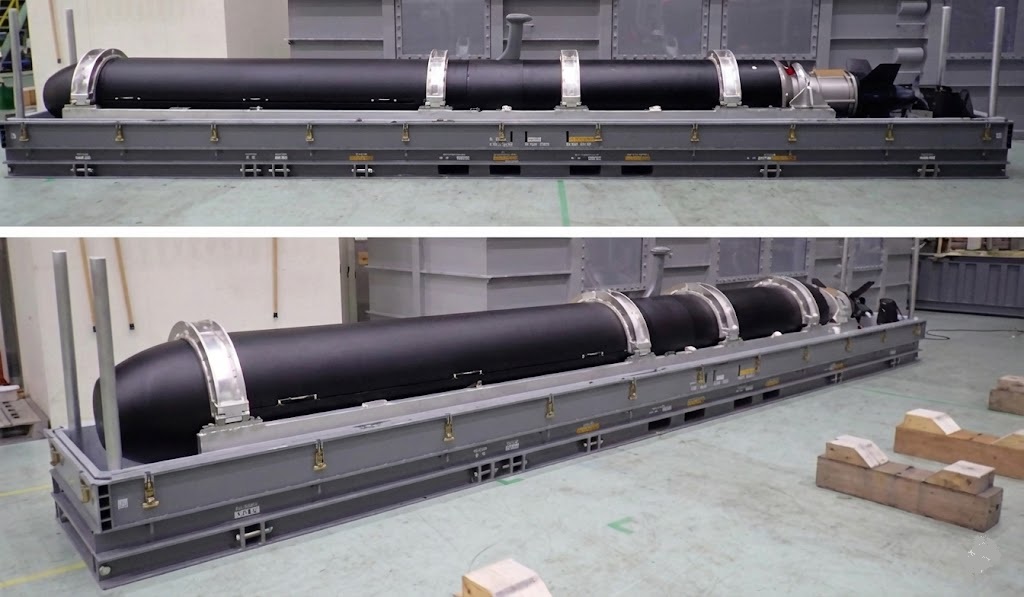
WASHINGTON : Lockheed Martin has successfully completed the first flight test of its Next-Generation Short-Range Interceptor (NGSRI), marking a major milestone in the U.S. Army’s air defense modernization efforts and signaling progress toward countering 21st-century aerial threats.
The test, conducted at the White Sands Missile Range, validated the interceptor’s core performance parameters and demonstrated the maturity of critical subsystems, according to company officials. The achievement formally launches a broader flight-test campaign, which will further evaluate the missile’s range, maneuverability, guidance accuracy, and target engagement effectiveness under realistic operational conditions.
Next-Generation Air Defense Capability
The NGSRI, developed by Lockheed Martin, is positioned as a potential replacement for the Stinger missile, the long-serving backbone of short-range air defense (SHORAD) for U.S. and allied forces. The new interceptor is designed to deliver significantly enhanced lethality and survivability compared with legacy systems.
According to the company, the missile is intended to defeat a wide range of modern aerial threats, including unmanned aerial systems (UAS), rotary-wing aircraft, and fixed-wing aircraft. Improved seeker technology, enhanced kinematics, and greater resistance to electronic countermeasures are expected to provide a decisive edge on future battlefields.
Open Systems and Modular Design
A central feature of the NGSRI program is its open systems architecture combined with a modular design philosophy. This approach enables rapid upgrades, technology insertion, and software-driven improvements, ensuring the system can adapt quickly to evolving threats without costly redesigns.
Lockheed Martin emphasized that this architecture supports continuous modernization, allowing new sensors, propulsion enhancements, and counter-UAS capabilities to be integrated over time. The design also prioritizes manufacturability and affordability, aligning with Army requirements for scalable and sustainable defense solutions.
Aligned With U.S. Army Priorities
The successful test comes as the United States Army accelerates efforts to strengthen short-range air and missile defense amid the global proliferation of drones, loitering munitions, and low-altitude precision threats. Recent conflicts have underscored the vulnerability of ground forces to such systems, driving urgent modernization initiatives.
Lockheed Martin stated that the NGSRI is being developed to integrate with current and future Army launch platforms, enhancing mobility, flexibility, and battlefield responsiveness for maneuver forces.
Industry and Leadership Reactions
“Our team’s shared mission, innovative approach, and agility were essential to achieving this milestone,” said Randy Crites, vice president of Lockheed Martin Advanced Programs. “We are driving the future of integrated air and missile defense, advancing technologies that protect U.S. warfighters and allied forces from rapidly evolving threats.”
Chris Murphy, business development lead for Advanced Programs, highlighted the accelerated pace of development. “The successful completion of this first flight test reflects our team’s ability to deliver critical capabilities on an aggressive timeline,” he said. “We remain committed to providing the Army with highly capable, manufacturable, and affordable systems that meet today’s operational needs.”
Following the initial flight success, Lockheed Martin is expected to proceed with additional flight and performance tests, gradually expanding the missile’s operational envelope. The data collected will support future U.S. Army evaluations, potential procurement decisions, and eventual fielding as part of next-generation short-range air defense architecture.
If adopted, the Next-Generation Short-Range Interceptor could become a cornerstone of U.S. and allied efforts to maintain air superiority and force protection in an increasingly contested and drone-dominated battlespace.
About the Author
Aditya Kumar:
Defense & Geopolitics Analyst
Aditya Kumar tracks military developments in South Asia, specializing in Indian missile technology and naval strategy.