Lockheed Martin Opens New Hypersonic Systems Lab in Huntsville, Signaling Push to Outpace Emerging Threats
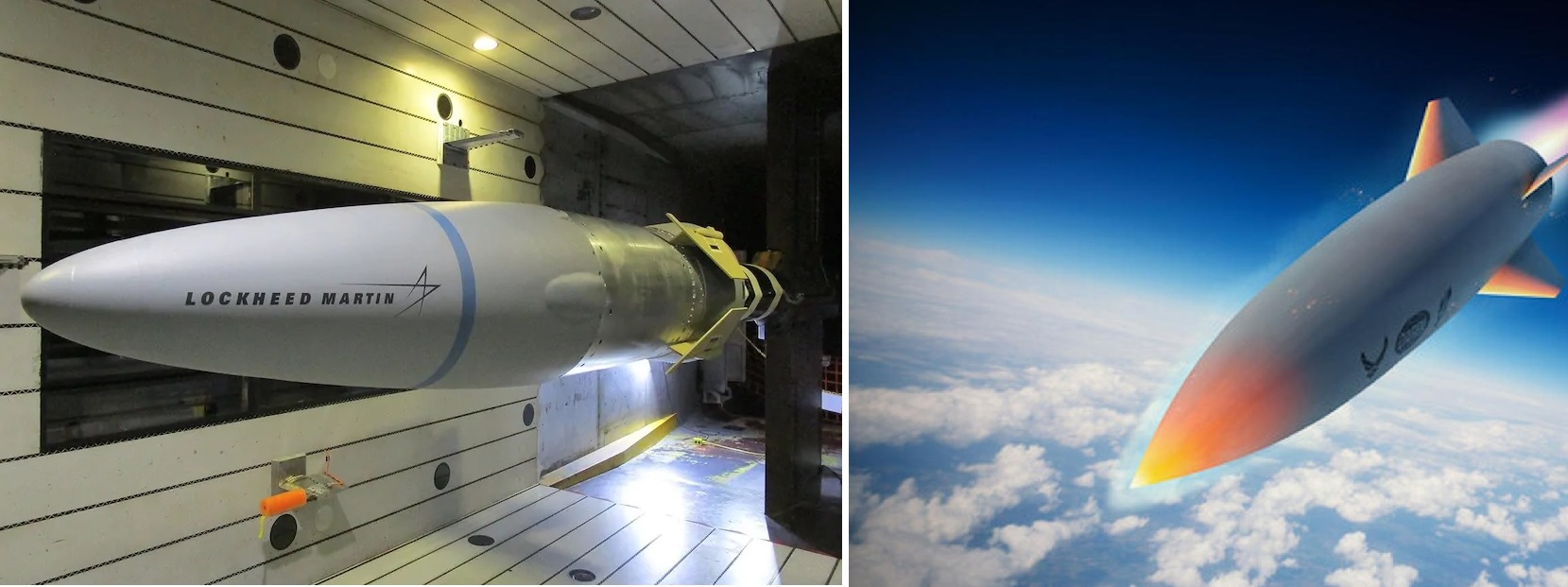
In a significant move to bolster the United States’ edge in next-generation defense technologies, Lockheed Martin has officially opened a 17,000-square-foot Hypersonics System Integration Lab (SIL) on its Huntsville campus. The $17.1 million facility, completed in just over a year, is designed to fast-track development, testing, and integration of hypersonic weapons systems — as global tensions and rapid technological advancements drive demand for speed, manoeuvrability, and deterrence.
Lockheed Martin executives highlighted the strategic importance of the lab. “Lockheed Martin’s commitment to North Alabama is stronger than ever, and this new facility is a clear demonstration of that dedication,” said Jim Romero, Vice President of Hypersonic Strike Weapon Systems for Lockheed Martin Space. The lab “will play a pivotal role in positioning Lockheed Martin as the industry leader in hypersonic defense and deterrence technology.”
What the New Lab Brings
-
The SIL houses advanced test equipment and state-of-the-art simulation tools, and a full integration environment under one roof, allowing engineers to prototype, simulate, test, and integrate hypersonic systems more efficiently.
-
The facility supports U.S. military hypersonic programs, including efforts by the United States Army to deploy high-speed strike systems — offering a key advantage in response time, flexibility, and strategic deterrence.
-
These capabilities are increasingly crucial in a world where adversaries are rapidly modernizing.
As explained by Holly Molmer, Program Management Director at Lockheed Martin, “Hypersonic weapons are reshaping the future of military defense by delivering unmatched speed and maneuverability that outpace traditional threats.” Their rapid response capability, she said, strengthens deterrence and ensures aggression can be met “instantly and decisively.”
A Broader Expansion in Alabama
The new SIL is not an isolated investment — it's part of a sweeping expansion by Lockheed Martin’s Strategic and Missile Defense Systems (SMD) division. Since 2021, the company has invested more than $185 million to add nearly 408,000 square feet of new or upgraded space at Huntsville.
The broader capital program currently sits at roughly $529 million, covering some 719,000 square feet of facilities that are either already under construction or planned for the near future.
Lockheed Martin’s Vice President and General Manager for Strategic and Missile Defense, Johnathon Caldwell, said the expanded footprint “builds the foundation for the next generation of defense solutions that will protect our nation tomorrow.”
This expansion follows on the heels of other significant developments at the Huntsville campus — including a 25,000-square-foot missile defense lab opened in 2023, and a 122,000-square-foot engineering and demonstration center inaugurated in 2024 to support a broad range of defense missions. In 2021, the company also opened a separate digital factory near Huntsville for manufacturing hypersonic weapons.
Why Hypersonics Matter — And Why Now
Hypersonic weapons — capable of speeds exceeding five times the speed of sound (Mach 5+) — have become a central pillar in modern defence strategy. Their high velocity and maneuverability make them far harder to detect, track, or counter using traditional missile defense systems.
As global powers accelerate their hypersonic programs, the U.S. sees such capacity as critical for deterring adversaries and maintaining strategic superiority. The new lab is designed not only to speed up development, but also to shorten design-to-deployment cycles.
Lockheed Martin has highlighted that beyond manufacturing, the company is investing heavily in workforce development and supply-chain readiness, collaborating with academic institutions and partners to nurture a new generation of hypersonics engineers and specialists.
What’s Next
With the Hypersonics SIL now operational, Lockheed Martin plans to ramp up integration and testing for its hypersonic strike portfolio — potentially accelerating deployment of future systems for the U.S. Army, Navy, and allied forces. The facility is expected to become a central node in the company’s hypersonics ecosystem.
As rival nations press ahead with their own high-speed weapons development, the new lab reinforces the United States’ determination to maintain technological and strategic leadership.
About the Author
Aditya Kumar:
Defense & Geopolitics Analyst
Aditya Kumar tracks military developments in South Asia, specializing in Indian missile technology and naval strategy.