Lockheed Martin Advances Crewed-Uncrewed Aircraft Teaming with AI Breakthroughs
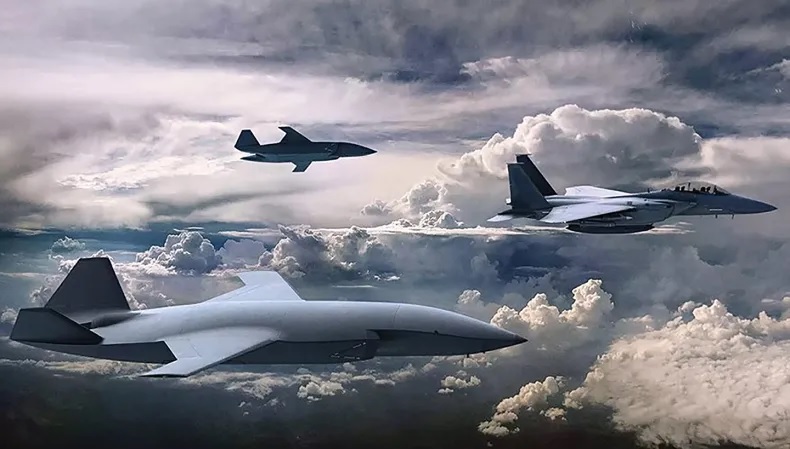
Lockheed Martin’s Skunk Works division has once again pushed the boundaries of aerospace innovation with the successful demonstration of advanced crewed-uncrewed aircraft teaming during recent flight tests. Partnering with the University of Iowa’s Operator Performance Laboratory (OPL) and its Demonstrations and Prototypes team, this milestone underscores the growing role of artificial intelligence in modern air combat.
Real-Time Collaboration in the Sky
The tests centered on a human airborne battle manager aboard an L-39 Albatros, who used a touchscreen pilot vehicle interface (PVI) to direct two AI-controlled L-29 Delfin jets. This setup enabled the human operator to command the AI aircraft in real time during an offensive counter-air mission simulation. The AI systems displayed sophisticated coordination, working together to counter simulated enemy jets with mission systems and virtual weapons.
This advancement builds on prior experiments by Lockheed Martin that focused on AI capabilities in air-to-ground operations like electronic jamming and geolocation. The recent tests marked a pivotal shift toward air-to-air combat, with the AI issuing commands directly to the aircraft's autopilots, operating under human oversight for the first time during such complex missions.
AI-Driven Autonomy for Operational Superiority
Lockheed Martin’s focus on crewed-uncrewed teaming aims to enhance operational flexibility, reduce decision-making timelines, and bolster pilot safety in contested environments. By incorporating AI, these systems are expected to execute highly dynamic missions while maintaining synchronized responses to emerging threats.
John Clark, Vice President of Lockheed Martin Skunk Works, emphasized that such collaborations are key to developing a future where autonomous systems and human operators seamlessly work together. This approach is designed to give allied forces a significant edge by enabling faster, data-driven responses in combat scenarios.
Expanded Applications and Future Vision
This demonstration aligns with a broader industry shift toward integrating manned-unmanned teaming (MUM-T) capabilities. Other tests across the defense sector are exploring similar systems, from ground vehicles to naval platforms. Lockheed Martin’s work specifically highlights how AI systems can take on complex air combat roles, which could eventually lead to broader deployment of such technologies in real-world operations.
Broader Implications
This achievement is not just a technical milestone but a glimpse into the future of warfare, where AI and human expertise blend to create unparalleled combat capabilities. By continuing to refine these systems, Lockheed Martin is ensuring its solutions remain at the forefront of aerospace and defense innovation.
✍️ This article is written by the team of The Defense News.