Less Than 50 Indian Air-Launched Weapons Crippled Pakistan’s Defences, Forced Ceasefire: IAF Vice Chief
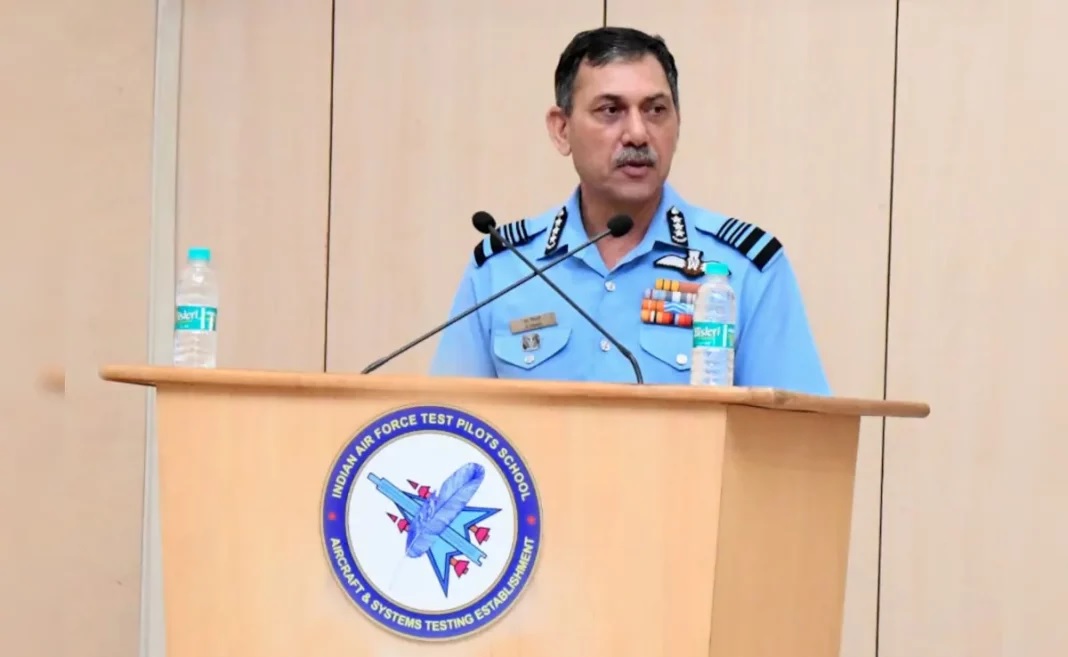
In a significant revelation, Indian Air Force Vice Chief Air Marshal Narmdeshwar Tiwari has confirmed that fewer than 50 air-launched weapons used by the Indian Air Force (IAF) during Operation Sindoor were sufficient to neutralize key Pakistani military infrastructure and push Islamabad to seek a ceasefire and return to the negotiating table.
“Less than 50 air-launched weapons fired by India at airbases and radar sites in Pakistan during Operation Sindoor compelled the western adversary to come to the negotiating table and sue for peace,” said Air Marshal Tiwari, addressing a defence conclave in New Delhi. He described the operation as a "masterclass in strategic air power and minimalistic force projection."
What Was Operation Sindoor?
Launched in early May 2025, Operation Sindoor was India’s calibrated military response to the Pahalgam terror attack of April 22, which killed many Hindu civilians. The Indian government authorised limited high-precision air strikes aimed at degrading Pakistan’s military infrastructure while avoiding escalation into full-scale war.
The strikes were carried out by frontline IAF fighter jets — including Rafales, Mirage 2000s, and Su-30MKIs — targeting multiple sites inside Pakistan and Pakistan-occupied Kashmir. The mission reportedly lasted 23 minutes and involved real-time coordination using AWACS, satellite surveillance, and ISR drones.
Weapons Used
Although the IAF has not officially confirmed the inventory used, sources indicate that a mix of stand-off precision-guided munitions were deployed:
-
SCALP-EG cruise missiles launched from Rafale jets
-
SPICE-2000 bombs and Crystal Maze-II missiles
-
Smart Anti-Airfield Weapons (SAAW) developed by DRDO
-
Air-launched BrahMos-A cruise missiles
-
Rampage and AASM Hammer systems for runway and bunker destruction
-
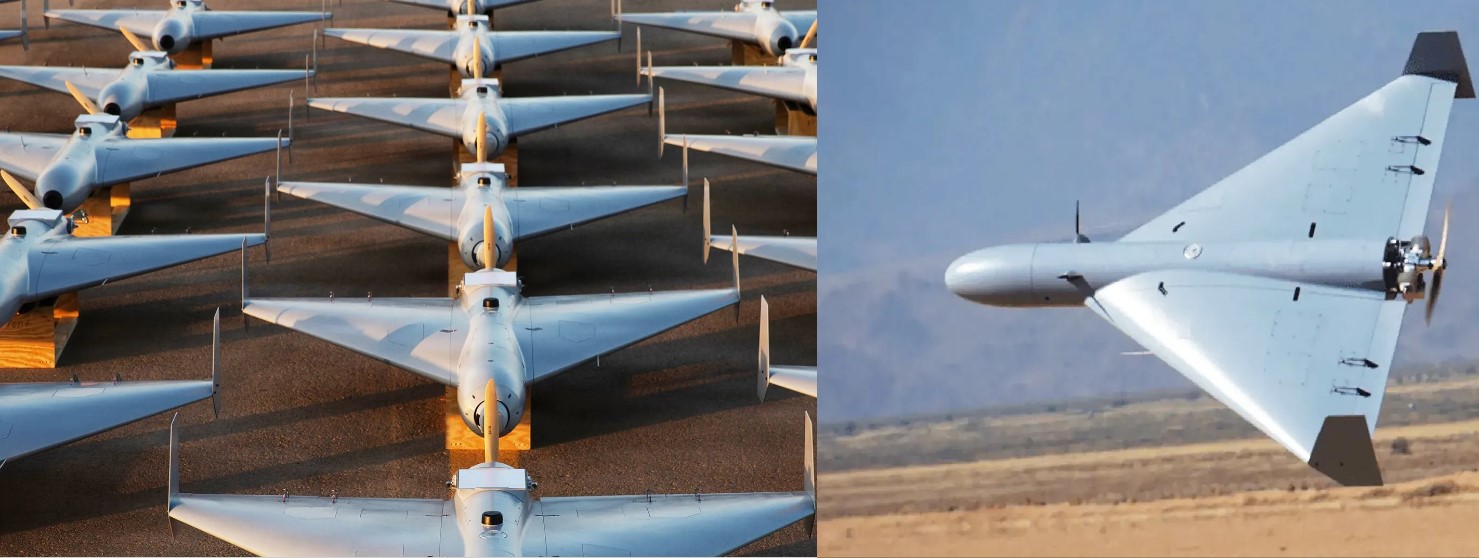
Loitering munitions for mobile or time-sensitive targets
These weapons were chosen for their accuracy, stand-off range, and ability to neutralize hardened and critical infrastructure with minimal collateral damage.
Impact on Pakistani Military Infrastructure
The strikes focused on airbases, radar stations, command and control facilities, and fuel depots. According to open-source assessments and satellite imagery cited by defence analysts, the following outcomes were observed:
-
Forward radar installations were disabled
-
Two major airbases suffered temporary operational paralysis
-
Fuel and munitions storage sites were hit
-
Communication and air defence nodes were disrupted
Sources in the Indian security establishment stated that the strike had immediate tactical impact, catching Pakistan’s air defence network off guard and leaving several forward positions exposed.
Pakistan’s Diplomatic Outreach and Ceasefire
Within hours of the strikes, Pakistan reportedly activated backchannel diplomatic communications, first through the United States and then via official lines with New Delhi. A ceasefire agreement was reached by May 10, just three days after the operation began.
Air Marshal Tiwari noted that the operation demonstrated how calibrated, high-precision strikes can yield strategic results without escalation. “This was not about how many weapons were fired. It was about what those weapons achieved. Operation Sindoor exemplified how modern air power, backed by intelligence and technology, can change the course of conflict with minimal force,” he added.
A Doctrinal Shift for India
Operation Sindoor has been hailed within defence circles as a turning point in India’s coercive diplomacy. Unlike the Balakot airstrike of 2019, which was a single-target raid, Sindoor was a multi-target, multi-theatre operation showcasing India's growing precision-strike capabilities.
The operation reinforced India's commitment to a graduated response doctrine — using military force proportionally, decisively, and with strategic restraint. Defence observers suggest that the IAF's modernised air fleet, improved ISR capabilities, and deep inventory of PGMs have fundamentally changed the rules of engagement along the western front.
With Air Marshal Tiwari’s comments now public, Operation Sindoor is being viewed as one of the most successful uses of limited yet decisive air power in South Asia's recent history. The ability to force a nuclear-armed adversary to the negotiating table with less than 50 air-launched weapons marks a significant moment in India’s evolving military doctrine.
✍️ This article is written by the team of The Defense News.