Kim Jong Un Showcases Automated Missile Production Ahead of Beijing Military Parade
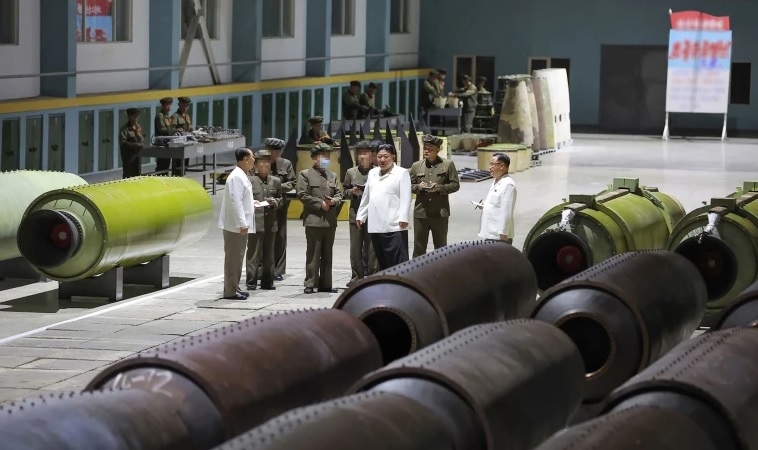
Pyongyang, September 1, 2025 – Just days before his scheduled trip to Beijing to attend a military parade alongside Chinese President Xi Jinping and Russian President Vladimir Putin, North Korean leader Kim Jong Un inspected a newly modernized missile production line. The visit, conducted on August 31, highlights Pyongyang’s push to upgrade its defense-industrial base through automation and integration.
During the inspection, Kim received detailed briefings on the automation system used in missile assembly and quality control. He expressed satisfaction, stressing that the shift toward automated manufacturing would boost combat readiness, ensure higher quality, and expand production capacity for North Korea’s missile units.
Modernization and Military Ambitions
-
Automation Drive
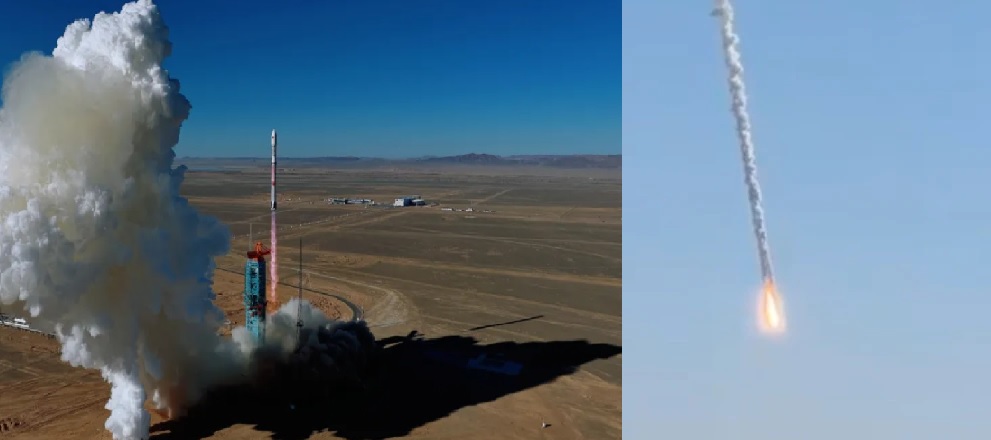
North Korea has transitioned from small-scale experimental production to integrated and sustained automated manufacturing. Automation is particularly vital for solid-fuel missile programs, which demand precise engineering to ensure reliability. This modernization supports systems like the Hwasong-18, the country’s most advanced solid-fuel intercontinental ballistic missile (ICBM), tested earlier this year. -
Political Timing
Analysts note that the timing of Kim’s visit, just before his high-profile diplomatic engagement in Beijing, serves as a message to both domestic audiences and foreign partners that North Korea’s defense sector is resilient despite international sanctions. -
Strategic Location
While KCNA did not disclose the site, observers suggest the factory is likely in Jagang Province, a hub for weapons production near the Chinese border.
Broader Context: Alliances and Sanctions Resistance
-
Stronger Russia-China Ties
The modernization comes amid closer military and political cooperation with Russia and China. North Korea has already supplied Moscow with artillery, missiles, and soldiers to aid in the Ukraine war, deepening the Pyongyang-Moscow partnership. -
Pushback Against the U.S., Japan, and South Korea
North Korea’s foreign ministry recently condemned a trilateral agreement between Washington, Tokyo, and Seoul on cybersecurity, calling it hostile propaganda and warning it would only intensify mistrust. -
Sanctions Evasion Strategy
Despite years of tough UN sanctions, Pyongyang continues to strengthen its defense production capacity. By automating missile manufacturing, North Korea reduces reliance on external suppliers and ensures greater independence in sustaining its arsenal.
Continuity in Military Expansion
Kim’s August 31 inspection fits into a broader 2025 pattern of defense expansion:
-
In June 2025, he ordered a major increase in artillery shell production through automation.
-
In April 2025, he attended the launch of the Choe Hyon-class destroyer, a new multipurpose warship built domestically, signaling advances in naval power.
The automated missile line is a significant step forward, enabling mass production with consistent quality while reinforcing North Korea’s deterrence strategy. It also signals to the world—particularly the United States, South Korea, and Japan—that Pyongyang remains determined to expand its arsenal regardless of sanctions.
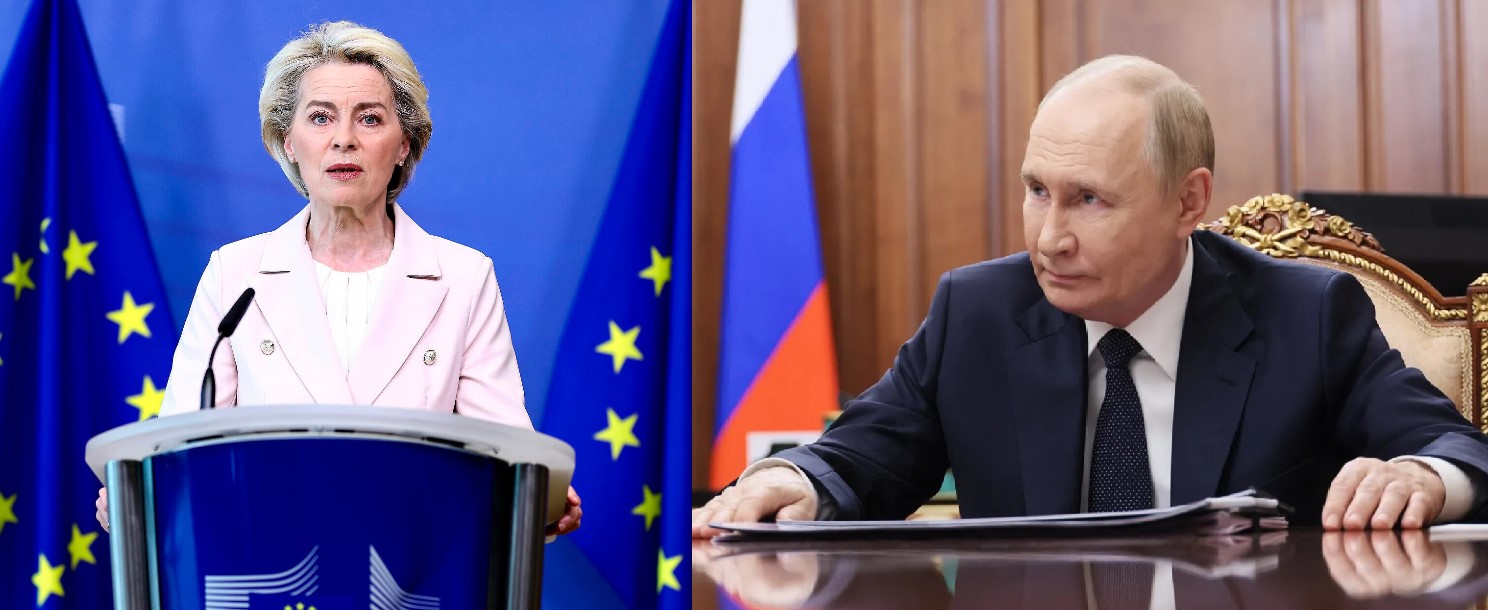
As Kim Jong Un prepares to stand alongside Xi Jinping and Vladimir Putin in Beijing, the inspection sends a clear political message: North Korea is modernizing, self-reliant, and ready to project strength both at home and abroad.
✍️ This article is written by the team of The Defense News.