Kaveri Engine’s Bypass Ratio Increased to 0.20, Boosting Combat Performance
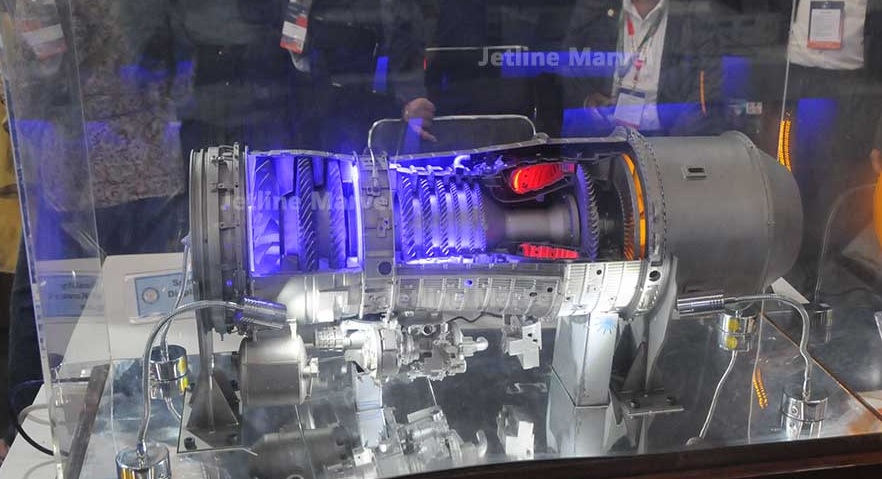
Bengaluru – In a major development for India’s defense technology, the Gas Turbine Research Establishment (GTRE) under DRDO has increased the bypass ratio of the Kaveri engine to 0.20. This improvement is aimed at enhancing the engine’s performance and efficiency for manned combat aircraft.
The Kaveri engine is a low bypass, twin-spool afterburning turbo fan engine that has been designed with a focus on combat requirements. The increased bypass ratio means that 20% of the incoming air bypasses the core combustion chamber, improving fuel efficiency, cooling, and thrust modulation during flight.
The engine is equipped with a full authority digital electronic controller (FADEC), enabling pilots to optimize performance under demanding combat scenarios. Other key features include a three-stage low-pressure compressor, a six-stage high-pressure compressor, an annular direct-flow combustion chamber, and cooled turbines.
According to technical specifications, the Kaveri engine offers:
-
Air mass flow: 78 kg/s
-
Max thrust (dry): 49 kN
-
Max thrust (reheat): 71 kN
-
Overall pressure ratio: 20.5
-
Specific fuel consumption (dry): 0.824 kg/kgf-hr
The development is seen as a significant step toward improving fuel efficiency, thermal management, and stealth capabilities for India’s next-generation fighter aircraft. The higher bypass airflow helps in reducing noise and managing heat, while the advanced controls enable better thrust adjustments.
The Kaveri engine, which has been under development for several years, is expected to play a critical role in enhancing India’s self-reliance in aerospace propulsion systems. Officials at GTRE believe that the upgraded design will meet the demanding requirements of high-speed combat operations while reducing operational costs.
This achievement marks another milestone in India’s pursuit of indigenous defense technologies and strengthens its position in advanced aerospace engineering. Further trials and integration are expected in the coming months as the engine moves closer to deployment in fighter platforms.
✍️ This article is written by the team of The Defense News.