KAI Developing AI-Driven Pilot for FA-50 Jet to Compete with Tejas and JF-17 in Export Markets, Targets Autonomous Flight by 2026
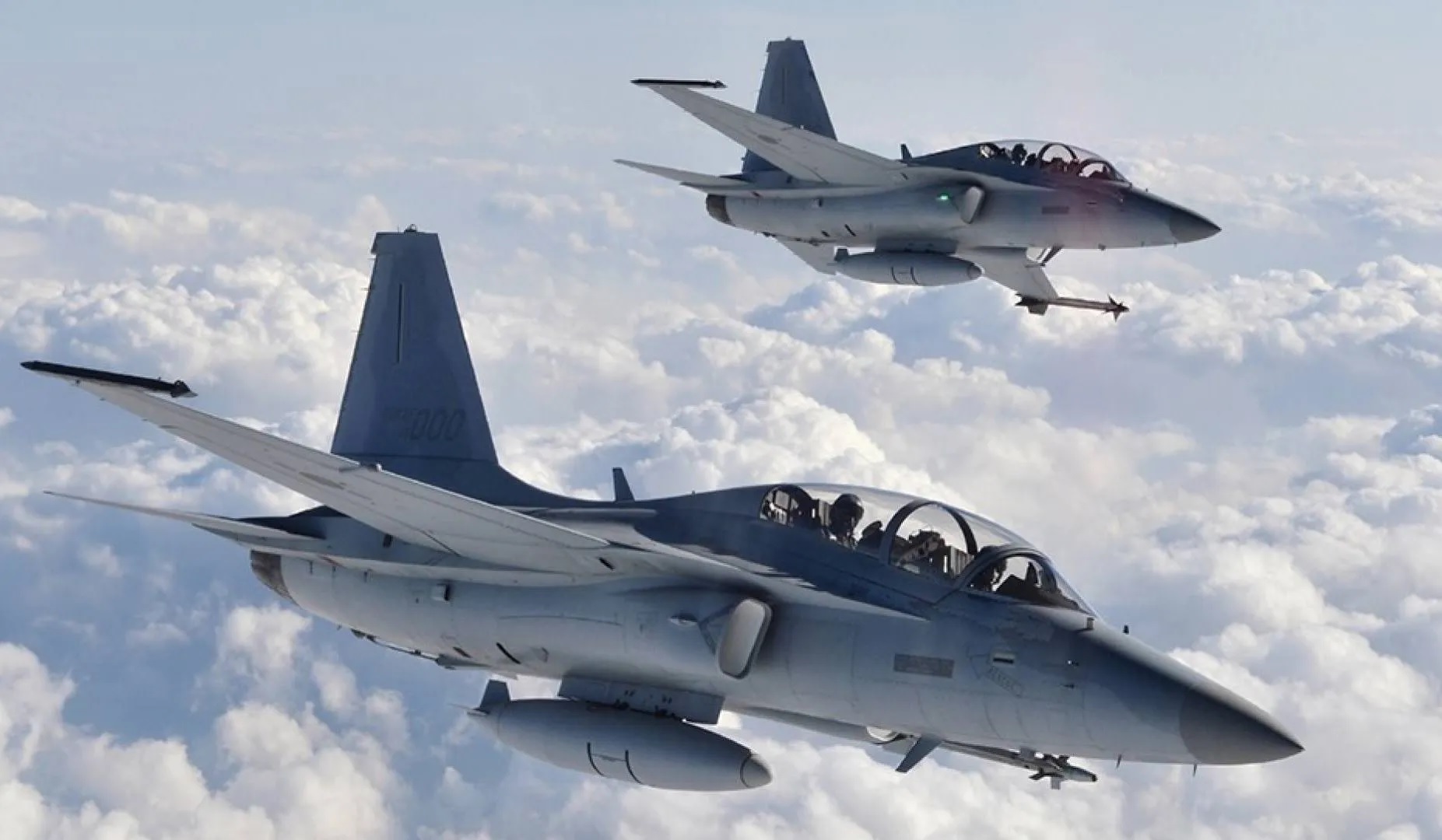
Korea Aerospace Industries (KAI) is stepping into the future of aerial combat with its ambitious "K-AI Pilot" program, designed to transform its FA-50 Fighting Eagle into a cutting-edge platform featuring artificial intelligence (AI)-driven pilot systems. This bold initiative not only showcases KAI's innovation in military aviation but also positions the FA-50 as a formidable competitor against India's HAL Tejas and Pakistan-China's JF-17 Thunder in the lucrative global light combat aircraft (LCA) market.
By incorporating AI technology, KAI is aiming for a future where fighter jets can operate autonomously or with minimal human intervention. The K-AI Pilot project is expected to enable semi-autonomous flight capabilities by 2025 and full autonomy by 2026. If successful, this development will make the FA-50 one of the most advanced LCAs on the market, offering unparalleled versatility and combat effectiveness.
FA-50: A Proven Platform, Now Smarter
The FA-50, a derivative of KAI’s T-50 Golden Eagle trainer, is already well-regarded for its versatility, low cost, and multi-role capabilities. Equipped with advanced avionics, precision-guided weapons, and a General Electric F404 engine, the FA-50 can perform air-to-air, air-to-ground, and reconnaissance missions. With the addition of AI, its combat capabilities will reach new heights.
The K-AI Pilot system aims to harness real-time data processing and machine learning algorithms to assist or replace human pilots during missions. This technology could include features like advanced threat recognition, automated tactical responses, and mission planning, allowing the FA-50 to adapt to rapidly changing battlefield scenarios with unprecedented precision.
Competing with the Tejas and JF-17
KAI’s move to integrate AI comes at a time when competition in the LCA market is heating up. The JF-17 Thunder, jointly developed by Pakistan and China, is a cost-effective option for developing nations. Meanwhile, India's HAL Tejas is gaining traction due to its indigenous development, modern avionics, and an increasing push from the Indian government for defence exports.
The K-AI Pilot will give the FA-50 an edge in this competitive space. By offering AI-driven capabilities, the aircraft can outperform its rivals in terms of operational flexibility and survivability. For instance, while the JF-17 and Tejas require human pilots to manage all tactical decisions, the FA-50’s AI system could autonomously analyze threats, optimize weapon deployment, and execute evasive maneuvers, giving it a clear battlefield advantage.
The Future of Autonomous Combat
KAI's embrace of AI technology is not just about enhancing the FA-50; it represents a larger trend in military aviation. The integration of AI into existing platforms serves as a stepping stone towards the development of fully unmanned combat aerial vehicles (UCAVs). These systems, capable of operating in hostile environments without risking human lives, are expected to dominate future air warfare.
By leading the charge in AI integration, KAI is not only boosting its competitiveness but also aligning with the global shift toward automation in defence systems. The FA-50’s new capabilities will likely attract buyers looking for advanced technology without the costs associated with larger, more complex aircraft like the F-35.
Strategic Implications for the Global Market
The addition of the K-AI Pilot could make the FA-50 an attractive option for nations looking to modernize their air forces. Potential buyers may include Southeast Asian and African countries, where the FA-50 has already seen success due to its affordability and adaptability. Furthermore, AI-powered combat systems could pave the way for expanded mission profiles, such as long-range reconnaissance, electronic warfare, and high-risk strike missions.
Final Thoughts
KAI’s development of an AI pilot for the FA-50 fighter jet marks a transformative moment in military aviation. By pushing the boundaries of what LCAs can do, the company is setting a new benchmark for innovation in the defence sector. If the K-AI Pilot program achieves its goals, the FA-50 will not only challenge the dominance of the JF-17 and Tejas but also shape the future of air combat in an era increasingly defined by autonomous systems.
As the global defence market continues to evolve, KAI’s bold vision could position South Korea as a key player in the next generation of military aviation.
✍️ This article is written by the team of The Defense News.