JeM Launches Rs 3.91 Billion Fundraising Drive Under Mosque Project After Setbacks in Operation SindoorJeM Launches Rs 3.91 Billion Fundraising Drive Under Mosque Project After Setbacks in Operation Sindoor

New Delhi, August 2025 – After suffering severe losses during Operation Sindoor, the Pakistan-based terror outfit Jaish-e-Mohammad (JeM) has launched a massive fundraising campaign worth Rs 3.91 billion under the pretext of constructing over 300 mosques across Pakistan, Indian security officials have revealed.
According to intelligence assessments, the initiative is designed not only to rebuild destroyed terror camps but also to replicate Lashkar-e-Taiba’s decentralised network of markaz (religious and training centres). This move aims to ensure that future Indian strikes have minimal impact on the group’s overall terror infrastructure.
Fundraising Through Digital Wallets
Unlike earlier years when JeM depended on donations through cash, animal hides, and charities, the group has now shifted to digital wallets like EasyPaisa and Sadapay, allegedly controlled by family members of its chief Masood Azhar.
Accounts linked to Azhar’s brother Talha Al Saif, his son Abdullah Azhar, and senior commanders such as Aftab Ahmad and Syed Safdar Shah have been identified as key channels for the flow of funds. Officials say over 250 wallet accounts are being used to funnel donations.
JeM has also been aggressively promoting the campaign on social media platforms like Facebook and WhatsApp, posting videos, posters, and appeals from Masood Azhar himself, urging supporters to contribute. Each so-called mosque is projected to cost Rs 12.5 million, though actual costs are believed to be far lower, leaving a huge surplus for weapons procurement.
Link to Operation Sindoor
The fundraising comes in the aftermath of Operation Sindoor, when the Indian Armed Forces carried out precision missile strikes on JeM facilities in Pakistan and Pakistan-occupied Kashmir in retaliation to the Pahalgam terror attack. Between May 7 and May 10, Indian operations destroyed JeM’s main headquarters, Markaz Subhanallah, and four other training centres including Markaz Bilal, Markaz Abbas, Mahmona Joya, and the Sargal camp.
Pakistan’s government later pledged to help rebuild the destroyed facilities, but intelligence inputs suggest JeM has simultaneously sought to generate independent funds through this “mosque construction” project.
Hidden Motives Behind Mosque Construction
While the outfit publicly claims it is building 313 mosques, security officials highlight two hidden objectives:
-
Decentralisation of Terror Infrastructure – By spreading training and logistics across hundreds of smaller centres, JeM can avoid heavy losses in case of future Indian military strikes.
-
Safe Houses for Leadership – Larger markaz would double as secure residences for Masood Azhar and his family, allowing Pakistan to continue its deniability of Azhar’s presence.
Under this structure, three to four large centres would act as safe houses, medium-sized facilities as training camps, and the rest as logistics hubs, creating a nationwide terror network disguised as religious institutions.
Financial Surplus and Weapons Procurement
Though JeM claims each mosque will cost Rs 12.5 million, officials estimate smaller markaz cost only Rs 4–5 million to build. Large facilities like Subhanallah or Usman-o-Ali may cost Rs 100 million, but only a handful of such structures are planned.
This means that from the Rs 3.91 billion campaign, only around Rs 1.23 billion may be used for actual construction, leaving a massive surplus for arms and equipment.
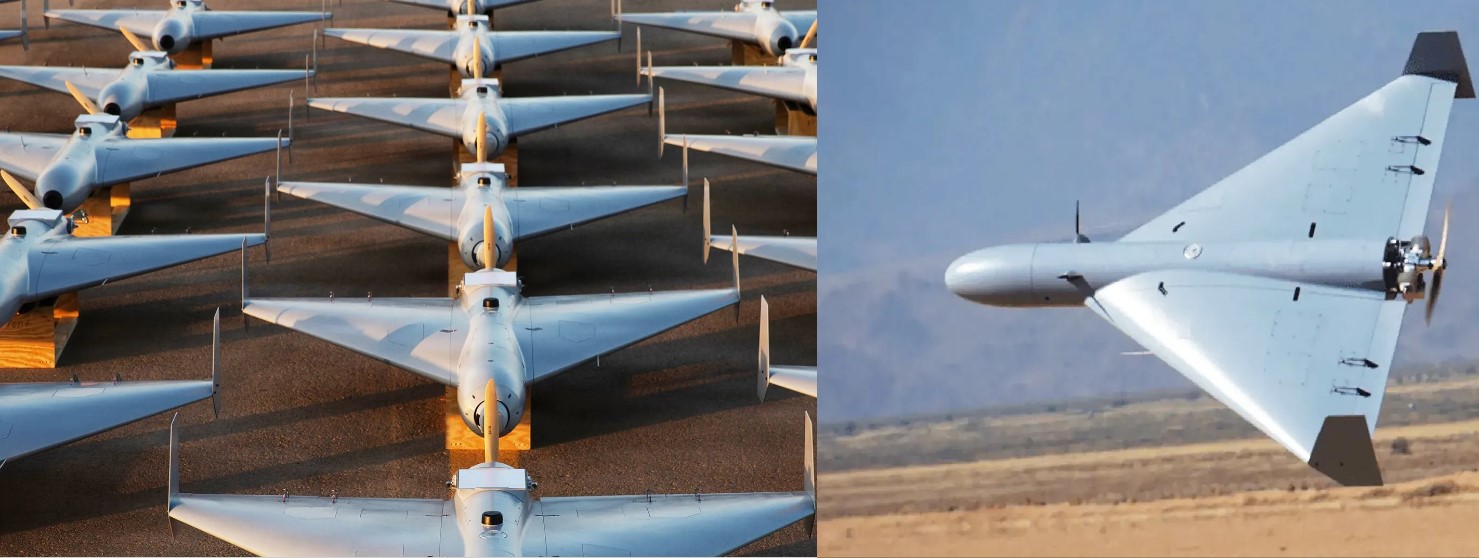
Officials warn that with JeM’s close ties to Tehreek-e-Taliban Pakistan (TTP) and Hamas, the group could use these funds to acquire advanced weapons systems, drones, and quadcopters, significantly increasing its strike capability.
Already, JeM’s arsenal includes machine guns, rocket launchers, and mortars, and with ISI support, the group has access to the black market for cheaper arms purchases.
ISI Role and FATF Concerns
India has long accused the Inter-Services Intelligence (ISI) of providing direct and indirect support to JeM. Intelligence agencies now believe the ISI is backing this fundraising campaign by ensuring that money moves through digital wallets instead of traceable bank accounts, allowing Pakistan to mislead the Financial Action Task Force (FATF).
In 2019, Pakistan was placed on the FATF grey list due to inadequate action against terror financing, including JeM activities. It was removed from the list in 2022 after pledging reforms such as banning cash donations and seizing JeM facilities. However, with the new digital methods, Pakistan can continue claiming compliance while money flows freely to Azhar’s network.
Strategic Implications for India
Security experts caution that JeM’s fundraising drive could reinvigorate its terror infrastructure and extend operational capability for the next decade. If left unchecked, this campaign could result in:
-
Renewed infiltration attempts along the Line of Control.
-
Increased drone-based attacks in Jammu & Kashmir.
-
Stronger JeM presence in Pakistan’s Punjab and Khyber Pakhtunkhwa, with safe havens harder to target.
Indian officials have emphasized that this development must be taken seriously by the international community, as it exposes the continuing nexus between Pakistan-based terror groups and the ISI despite repeated commitments to crack down on them.
The exposure of JeM’s Rs 3.91 billion fundraising drive highlights how terror outfits adapt quickly to changing circumstances. By cloaking terror infrastructure under the guise of religious construction, JeM is seeking to secure its future operations, evade global scrutiny, and maintain the safety of its leadership.
For India, the developments serve as a reminder that despite battlefield setbacks like Operation Sindoor, Pakistan-backed terror outfits continue to regroup, rearm, and reorganize with state support—posing a persistent challenge to regional security.
✍️ This article is written by the team of The Defense News.