Japan’s Laser Weapon Prototype Makes Progress: New Tests and Next-Gen Defenses on the Horizon

Japan is making significant strides in the field of directed energy weapons (DEWs), as its prototype laser system continues to show promise in live demonstrations. The country’s military is actively developing advanced laser technologies to address modern aerial threats, particularly small, fast, and disruptive drones that are increasingly being used in conflicts worldwide.
The latest updates on this program came during the DSEI Japan 2025 defense exhibition, where a military official involved in the project confirmed that the prototype successfully shot down a small drone in tests conducted earlier this year, in February and March. This marks an important milestone for Japan’s DEW program, as it moves from basic testing to more integrated operations.
About the Prototype Laser DEW
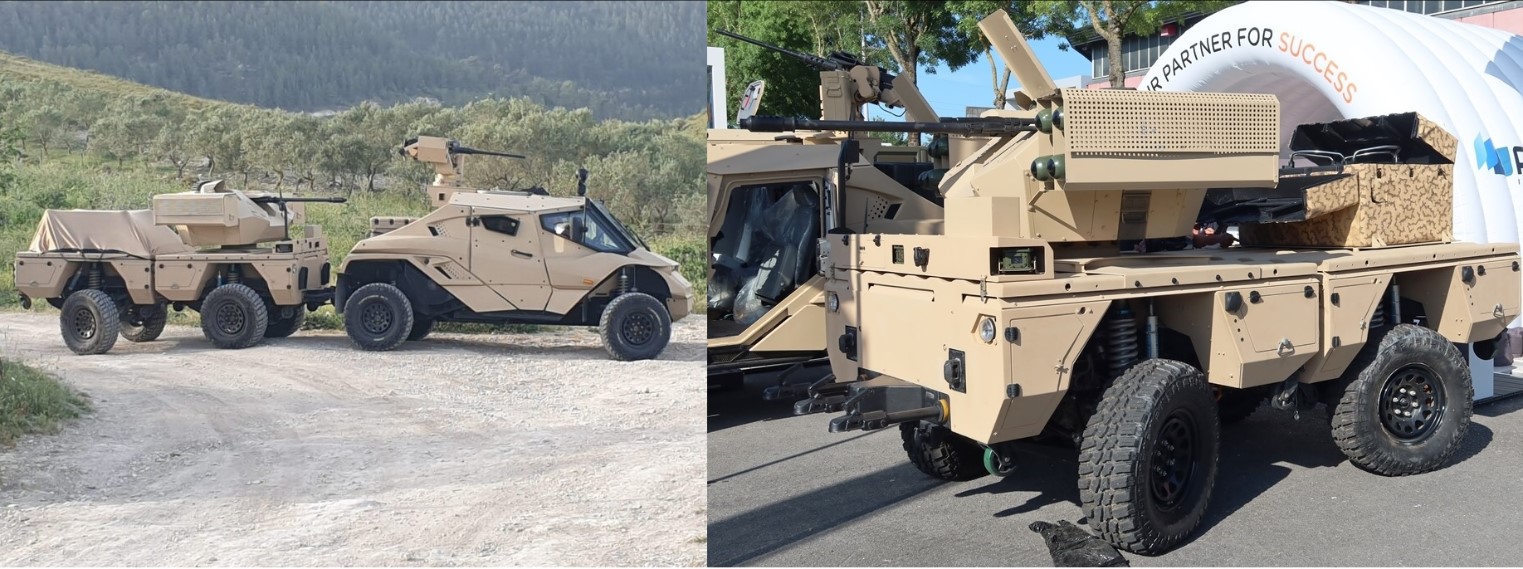
The prototype is officially known as the ‘Vehicle-Mounted High-Power Laser Demonstration System’. It is specifically designed as a counter-drone weapon system and can emit a continuous 10kW laser beam in a 360-degree radius, allowing it to engage aerial threats from any direction without needing to physically reposition the vehicle.
The system has been developed by Japan’s Acquisition, Technology and Logistics Agency (ATLA) in collaboration with Mitsubishi Heavy Industries, a major name in Japanese defense manufacturing. According to details shared at the event, the laser system's cooling unit is currently "over spec," meaning it’s larger than necessary for the current power level. This gives developers room to reduce the system’s size in the future, potentially enabling it to be mounted on smaller, more mobile vehicles.
Next Steps in Development
Following the successful drone interception trials, the next phase for this DEW project involves integrating the laser system with other Japan Self-Defense Force (JSDF) platforms. This includes pairing it with high-power microwave systems and other counter-drone technologies, creating a layered and multi-platform defense network capable of neutralizing a variety of airborne threats.
While no specific timeline has been set for when the laser weapon might officially enter service, military officials noted that the decision would rest with the JSDF leadership. The prototype is currently in an advanced testing phase, and whether it proceeds to active deployment or remains a research tool will depend on the outcome of these integration and operational trials.
Future Plans: Missile Defense Lasers
Beyond drone defense, Japan is also working on a larger, vehicle-mounted laser weapon intended for missile interception. Although details about the power rating and size of this future system have not been publicly disclosed, officials confirmed its development is underway, with similar operational concepts as the current drone-targeting laser but designed to engage faster and more dangerous aerial threats like ballistic and cruise missiles.
Global Context
Japan’s DEW efforts reflect a broader global trend, with several nations racing to develop operational laser weapons. The UK’s DragonFire laser DEW recently demonstrated its own capability by successfully destroying an airborne target. Despite this progress, most military laser systems worldwide remain in prototype stages, as developers continue to refine power output, targeting accuracy, cooling systems, and battlefield integration.
Conclusion
Japan’s laser weapon prototype represents a significant advancement in the nation’s defense technology capabilities. Its successful drone interceptions, plans for system integration, and ambitions for future missile defense applications position Japan as an emerging leader in directed energy weapon systems. As the technology matures, these systems could play a crucial role in protecting military assets and critical infrastructure from the growing threat of drones and precision-guided missiles.
✍️ This article is written by the team of The Defense News.