Japan Reduces but Doesn’t Halt Russian Energy, Rejects U.S. Demand
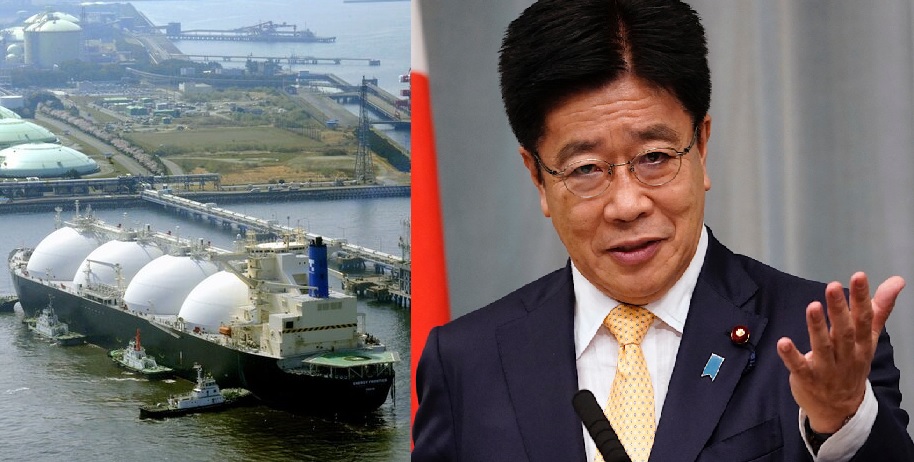
In late October 2025, the United States formally called on Japan to halt imports of Russian energy, part of a broader push by Washington and its allies to cut off funding that could support Russia’s military operations in Ukraine. The U.S. Treasury under Scott Bessent emphasized that Japan should immediately stop buying Russian oil and natural gas, including liquefied natural gas (LNG), and encouraged Tokyo to shift toward U.S.-supplied energy sources. This request reflects the ongoing effort among G7 nations to reduce reliance on Russian hydrocarbons and weaken Moscow’s economic capacity to continue the war.
Japan’s Energy Imports from Russia
Japan imports modest but strategically important amounts of energy from Russia. According to recent UN trade data, Japan’s total imports from Russia in 2024 were approximately $5.68 billion, with $3.82 billion accounted for by mineral fuels, oils, and other distillation products. The country’s imports include crude oil, LNG, and coal. While crude oil imports from Russia have declined sharply over recent years, Japan still relies on Russian LNG via the Sakhalin-2 project in the Russian Far East, which supplies roughly 10% of Japan’s LNG needs. Coal and other fuels have also been imported historically, though their share is smaller compared to gas and oil.
Japan’s Response to the U.S.
Japan has responded to U.S. pressure with caution, emphasizing that its energy policy is guided by national interest and energy security considerations. Officials, including Trade and Industry Minister Yoji Muto, stated that while Japan is committed to reducing dependence on Russian energy, it cannot immediately halt all imports, particularly LNG from Sakhalin-2, which plays a critical role in Japan’s electricity generation. The government has taken steps to align partially with international sanctions, such as lowering the price cap for Russian crude oil to $47.60 per barrel, though direct imports of Russian oil are extremely small — only about 0.1% of Japan’s total crude imports.
Strategic Importance and Energy Security
Japan is highly dependent on imported energy, with around 90% of its primary energy supply coming from abroad. The country faces the difficult task of balancing alliance commitments with the United States and G7 against the need to maintain a stable and reliable energy supply. Russian LNG remains an important component for electricity generation and industrial use, meaning that an abrupt halt in imports could create energy shortages or economic disruption. Japan has therefore opted for a gradual reduction strategy rather than an immediate cessation.
Future Considerations
Going forward, Japan is likely to continue reducing its reliance on Russian energy while exploring alternative supplies and expanding renewable and nuclear capacity. The U.S. is expected to maintain diplomatic pressure, potentially offering incentives such as access to additional LNG supplies to encourage Japan to comply further with sanctions. In the meantime, Japan’s approach highlights the delicate balance between geopolitical alignment and national energy security, as well as the challenges faced by nations heavily dependent on imported energy when confronted with international sanctions.
About the Author
Aditya Kumar:
Defense & Geopolitics Analyst
Aditya Kumar tracks military developments in South Asia, specializing in Indian missile technology and naval strategy.