Japan Reaffirms Three Non-Nuclear Principles After Political Row, Moves to Stabilise US–Japan Alliance
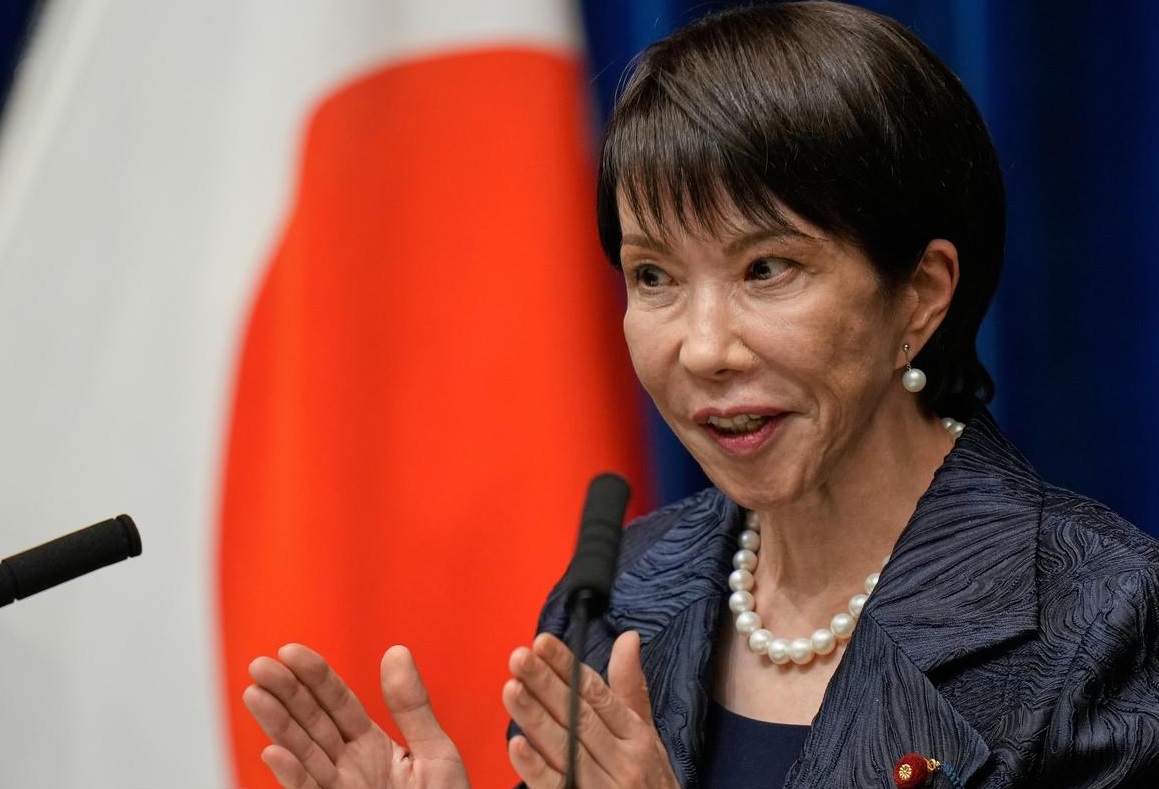
Japan has formally reaffirmed its long-standing Three Non-Nuclear Principles following a brief but politically sensitive controversy triggered by remarks linked to the office of Prime Minister Sanae Takaichi. Defence Minister Minoru Kihara confirmed there would be no change in Japan’s nuclear policy, underlining Tokyo’s determination to preserve strategic stability and avoid disruption to the US–Japan security alliance.
The clarification was issued after comments attributed to a senior official associated with the prime minister’s office were interpreted as opening space for debate on Japan acquiring nuclear weapons. The government moved swiftly to contain the fallout, stressing that such views do not reflect official policy and that Japan’s non-nuclear stance remains intact.
Protecting US Extended Deterrence
Senior officials indicated that the reaffirmation was aimed squarely at safeguarding US extended deterrence—the nuclear umbrella provided by the United States—which remains central to Japan’s defence posture. Tokyo has consistently argued that its security is best ensured through alliance-based deterrence, combining strong conventional military capabilities with close coordination with Washington.
Any suggestion that Japan might reconsider its nuclear position risks injecting uncertainty into alliance signalling, particularly during periods of heightened regional tension. Japanese policymakers fear that even speculative debate could weaken deterrence credibility and complicate crisis management.
The Meaning of the Three Non-Nuclear Principles
Japan’s Three Non-Nuclear Principles—not possessing, not producing, and not permitting the introduction of nuclear weapons—were first articulated in 1967 and formally endorsed by the Diet in 1971. While political rather than constitutional in nature, they have become a cornerstone of Japan’s post-war identity, reinforced by public opinion shaped by the atomic bombings of Hiroshima and Nagasaki.
Successive governments have upheld the principles while relying on the US nuclear umbrella, a balance that requires careful political messaging both domestically and internationally.
Regional Reactions Add Pressure
The controversy drew immediate attention from neighbouring states. North Korea criticised what it described as Japan’s “dangerous thinking,” while commentary from China framed the episode as evidence of destabilising rhetoric in the region. Japanese diplomats sought to reassure partners that Tokyo remains committed to nuclear non-proliferation and regional restraint.
Reality Check: Strategic Balance Remains Unchanged
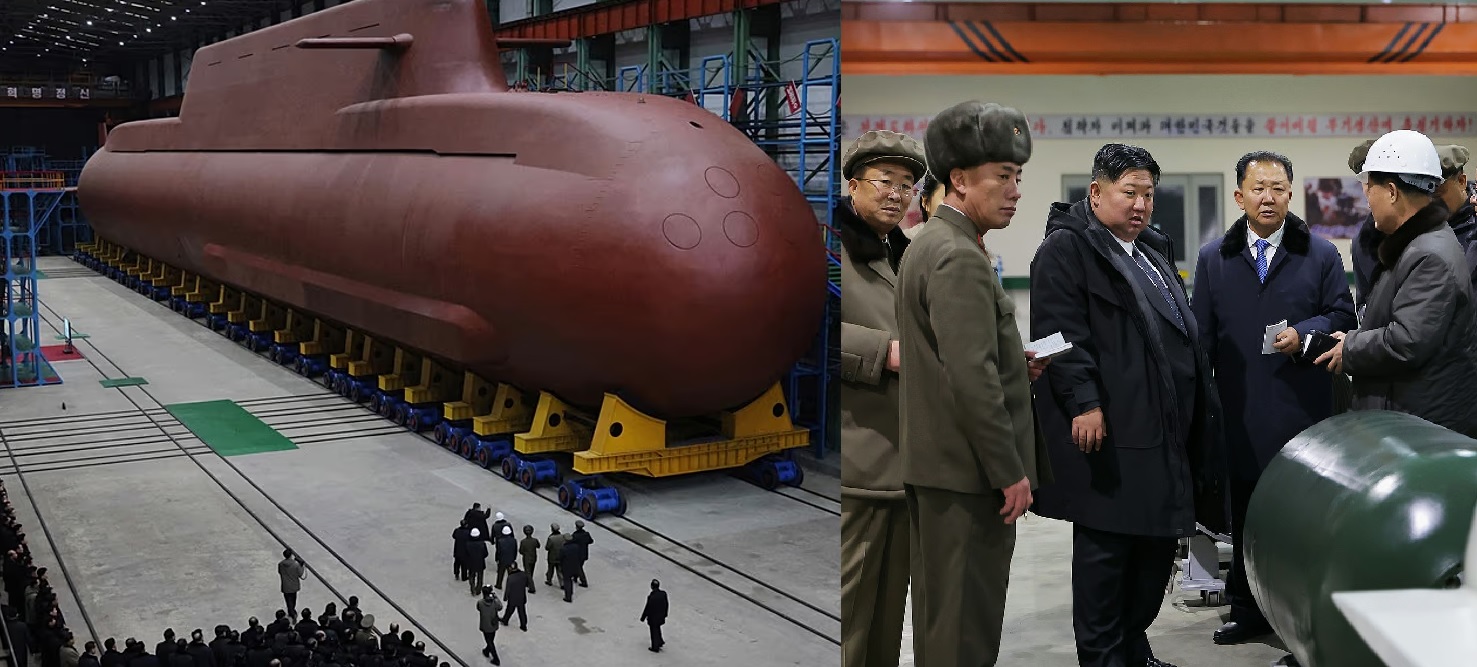
Despite Japan’s renewed pledge, analysts note that the regional nuclear balance is largely unaffected. China continues to expand and modernise its nuclear arsenal, estimated at more than 600 warheads, with projections pointing toward around 1,000 by 2030. North Korea, meanwhile, is pressing ahead with nuclear and missile development, including efforts to enhance second-strike capability through submarine-based systems.
In this context, Japan’s reaffirmation is seen less as a shift in military posture and more as a move to reinforce political clarity and alliance coherence.
Outlook
For now, Tokyo appears determined to draw a firm line under the episode. Officials insist Japan’s future security strategy will focus on defence modernisation, alliance integration, and deterrence through partnership, rather than nuclear weapons. As China and North Korea continue to expand their capabilities, Japan’s challenge will be to maintain credible deterrence while keeping domestic debate from unsettling an already fragile regional security environment.
✍️ This article is written by the team of The Defense News.