Japan Proposes Record ¥8.8 Trillion Defense Budget, Launching SHIELD Drone Network and Naval Expansion
Tokyo, August 29, 2025 : Japan’s Ministry of Defense has submitted an unprecedented defense budget request for fiscal year 2026 totaling ¥8.8 trillion (about $60.2 billion), the largest in its postwar history. The record proposal reflects Japan’s accelerated efforts to counter rising security threats from China, North Korea, and Russia, while modernizing its defense forces under the ongoing five-year Defense Buildup Program (2023–2027).
Focus on Drones and SHIELD Coastal Defense Network
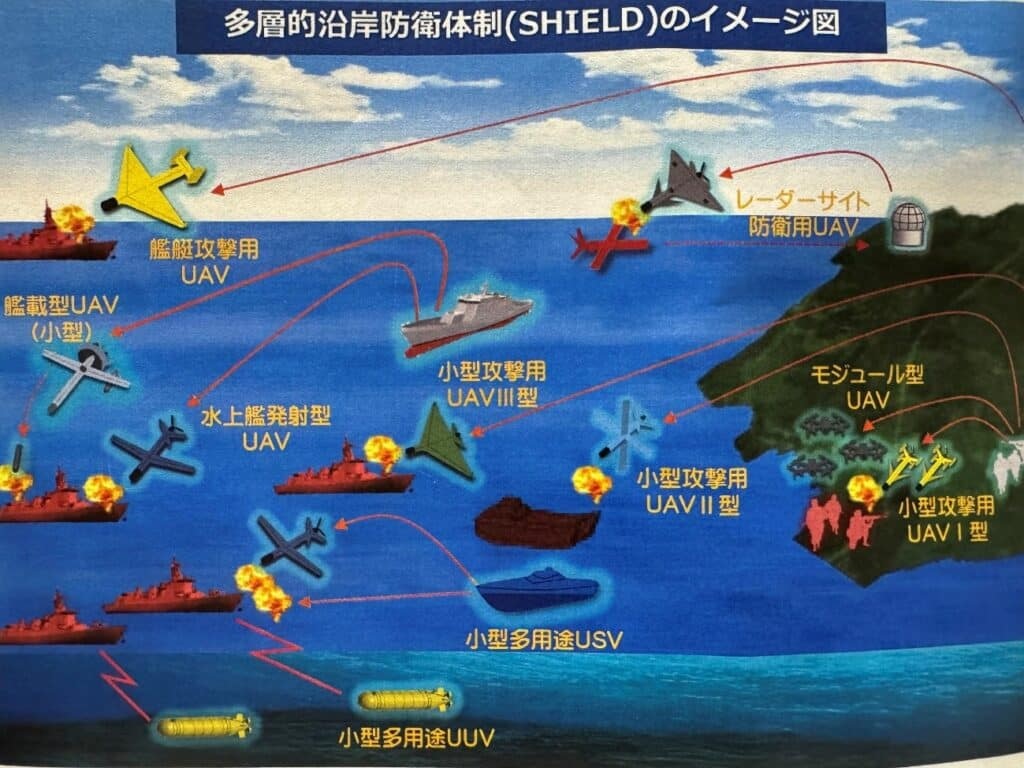
A major highlight of the budget is the establishment of “SHIELD” (Synchronized, Hybrid, Integrated and Enhanced Littoral Defense) — a multi-layered coastal defense system integrating unmanned aerial, surface, and underwater vehicles. The program, with a budget of $876 million, is expected to be operational by fiscal 2027.
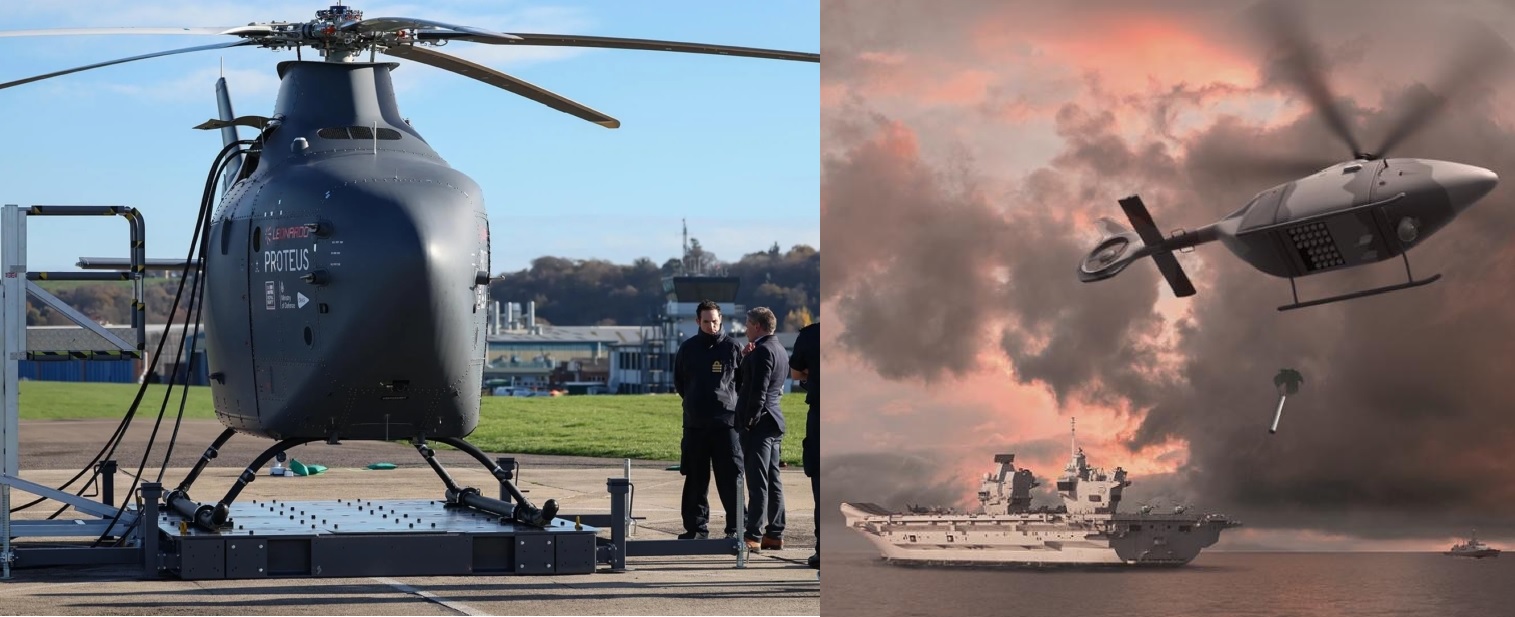
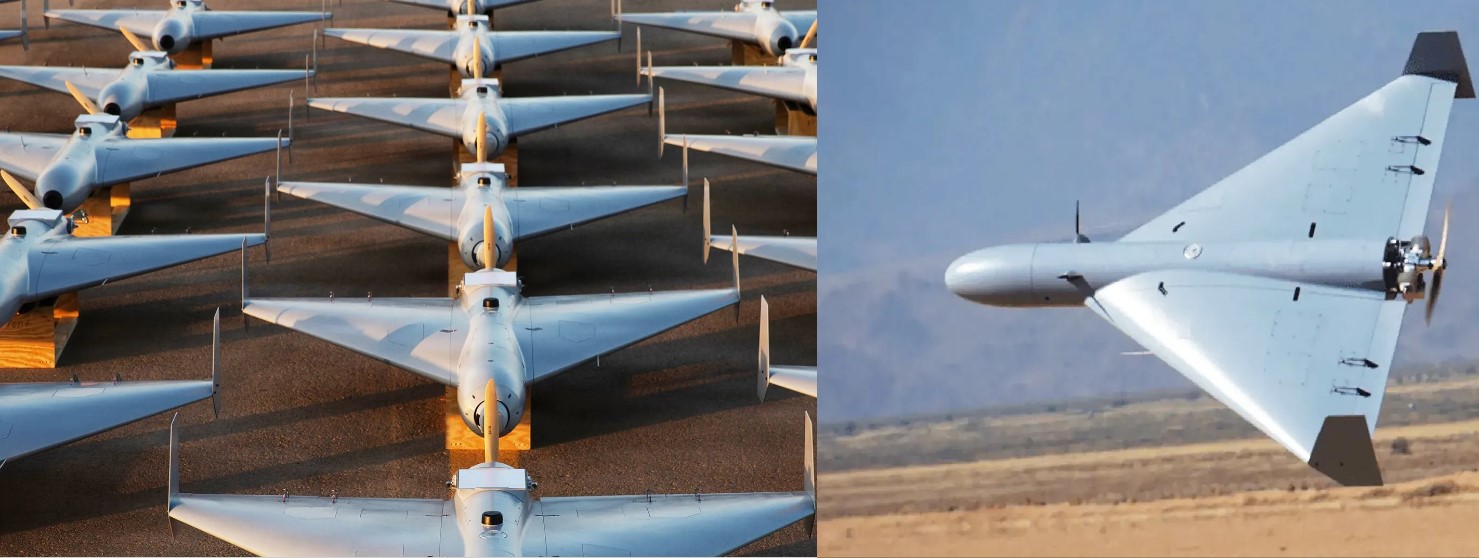
The Ministry confirmed it will acquire ship-launched UAVs, small ship-based UAVs, and multi-role unmanned surface vessels (USVs). These assets will provide both surveillance and strike capabilities against enemy ships.
Among the UAVs under consideration is the U.S.-made Shield AI V-BAT, already approved for Japan’s new 1,900-ton patrol vessels, of which 12 will be built over the next decade. Additional acquisitions include MQ-9B SeaGuardian UAVs and Turkish-made Bayraktar TB2 attack drones, each unit priced around 700 million yen.
To strengthen command integration, the ministry has also requested funds to conduct demonstration tests for simultaneous control of multiple unmanned systems.
Naval Expansion: New FFM and Submarines
Japan has requested $713.9 million for the construction of one New FFM, an upgraded version of the Mogami-class multirole frigate. A total of 12 New FFMs are planned by fiscal 2032. The new design will feature a larger hull, longer-range missiles, stronger anti-air capabilities, and doubled vertical launch cells (32 vs. 16 on the Mogami-class).
This request comes after Australia selected the upgraded Mogami-class as its future general-purpose frigate. Japanese officials emphasized that while coordination with Australia exists, the decision primarily reflects Japan’s own fleet modernization needs.
Additionally, the budget seeks $816 million to build the 10th Taigei-class submarine, a state-of-the-art diesel-electric sub, and $232.8 million for an Awaji-class minesweeper to bolster mine countermeasure capabilities. Two new 1,900-ton patrol vessels are also planned at a cost of $195 million.
Missile Defense and Strike Capabilities
Japan continues to expand its stand-off strike arsenal:
-
$246.4 million to procure the improved Type-12 ship-launched surface-to-ship missile (SSM).
-
$110.2 million for new submarine-launched long-range cruise missiles, currently under development with Mitsubishi Heavy Industries.
-
$11.6 million to add Tomahawk launch capability to two Aegis destroyers, following upgrades already completed on three others.
In missile defense, $545.5 million is allocated for preparations and testing of two Aegis System Equipped Vessels (ASEVs) — massive 12,000-ton warships that will serve as sea-based alternatives to the scrapped Aegis Ashore system. Expected to be the largest destroyers in the world, the first ASEV will be delivered in fiscal 2027.
Japan is also investing $378.6 million in the joint development of the Glide Phase Interceptor (GPI) with the United States, designed to counter emerging hypersonic missile threats.
Izumo-Class Carrier Upgrades
Japan continues transforming its Izumo-class helicopter carriers into F-35B-capable aircraft carriers. The ministry requested $195 million to advance upgrades on JS Izumo and JS Kaga, with completion scheduled for 2027 and 2028, respectively.
Next-Generation Defense Evolution
Beyond naval and missile forces, the budget sets aside significant funding for future capabilities:
-
Development of Japan’s next-generation fighter jet with the UK and Italy, targeted for a 2030 test flight.
-
Expansion of space and cross-domain operations, including preparations to reorganize the Air Self-Defense Force into the Air and Space Self-Defense Force one year ahead of schedule.
-
Research and trials for hypersonic guided missiles, advancing Japan’s ability to respond to cutting-edge threats.
What’s Next
The proposal will now be reviewed by the Ministry of Finance, with a final budget decision expected by late December 2025. If approved, the request will mark a defining step in Japan’s transition from a strictly self-defense posture toward a multi-domain, long-range, and globally integrated defense strategy.
✍️ This article is written by the team of The Defense News.