Japan Maritime Self-Defense Force Introduces New Hull Classification Symbols: "CG" and "CVM"
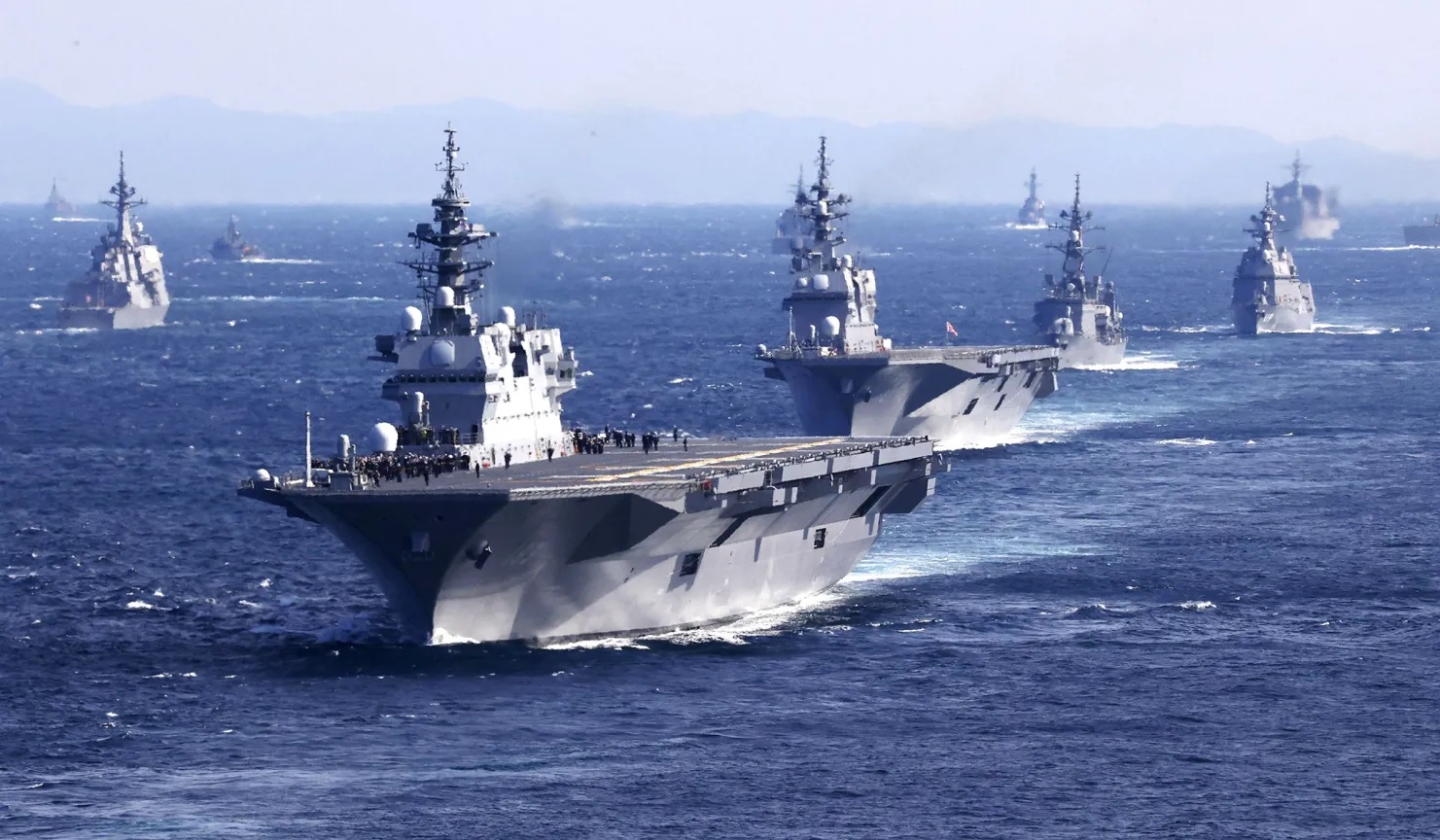
Japan : In a significant development, the Japan Maritime Self-Defense Force (JMSDF) has announced revisions to its hull classification symbols, effective from October 2024. This update introduces two new designations: "CG" for guided-missile cruisers and "CVM" for aircraft-carrying multi-role cruisers. These changes reflect the evolving capabilities and roles of JMSDF vessels in modern naval operations.
Background on JMSDF Vessel Classification
The JMSDF categorizes its vessels into two primary groups: warships, which are recognized under international law, and support ships. Within the warship category, vessels are further divided into escort vessels and auxiliary vessels. Escort vessels are classified based on their functions, including surface and subsurface combatants, mine warfare vessels, patrol vessels, and transport vessels.
Historically, destroyers in the JMSDF fleet were classified using symbols such as DD (general-purpose destroyer), DDG (guided-missile destroyer), DDH (helicopter destroyer), DE (coastal escort destroyer), and FFM (multi-role frigate). However, recent advancements in ship design and capabilities have necessitated a reevaluation of these classifications.
Introduction of "CG" and "CVM" Classifications
The new "CG" classification stands for "Cruiser Guided-missile" and is designated for future vessels equipped with the Aegis Combat System. These ships are expected to enter service in 2027 and 2028, enhancing the JMSDF's air defense and missile interception capabilities.
The "CVM" classification, which stands for "Cruiser Voler Multipurpose," is applied to the Izumo-class vessels. The term "Voler," meaning "to fly" in French, signifies the ships' enhanced capability to operate aircraft, including fixed-wing types. The Izumo-class ships have undergone modifications to operate the F-35B Lightning II, a short takeoff and vertical landing (STOVL) aircraft, marking a significant shift in their operational role.
Implications of the Classification Changes
The reclassification of the Izumo-class ships to "CVM" reflects their expanded operational capabilities and aligns with international naval classification standards. This change also underscores Japan's commitment to modernizing its defense forces and adapting to evolving security challenges.
The introduction of the "CG" classification indicates a strategic move towards enhancing the JMSDF's long-range defense capabilities, particularly in missile defense. The integration of advanced systems like Aegis into these new cruisers will bolster Japan's ability to protect its interests in the region.
The adoption of the "CG" and "CVM" hull classification symbols marks a pivotal moment in the evolution of the JMSDF's fleet. These changes not only better represent the advanced capabilities of the vessels but also align Japan's naval classifications with international standards. As the JMSDF continues to modernize, these updates highlight the nation's commitment to maintaining a robust and versatile maritime defense force.
For more detailed information on the JMSDF's vessel classifications and upcoming fleet developments, refer to official announcements from the Japan Ministry of Defense and reputable naval defense publications.
✍️ This article is written by the team of The Defense News.