Japan Launches Mass Production of Type 03 Chu-SAM Kai to Counter Ballistic and Hypersonic Missile Threats

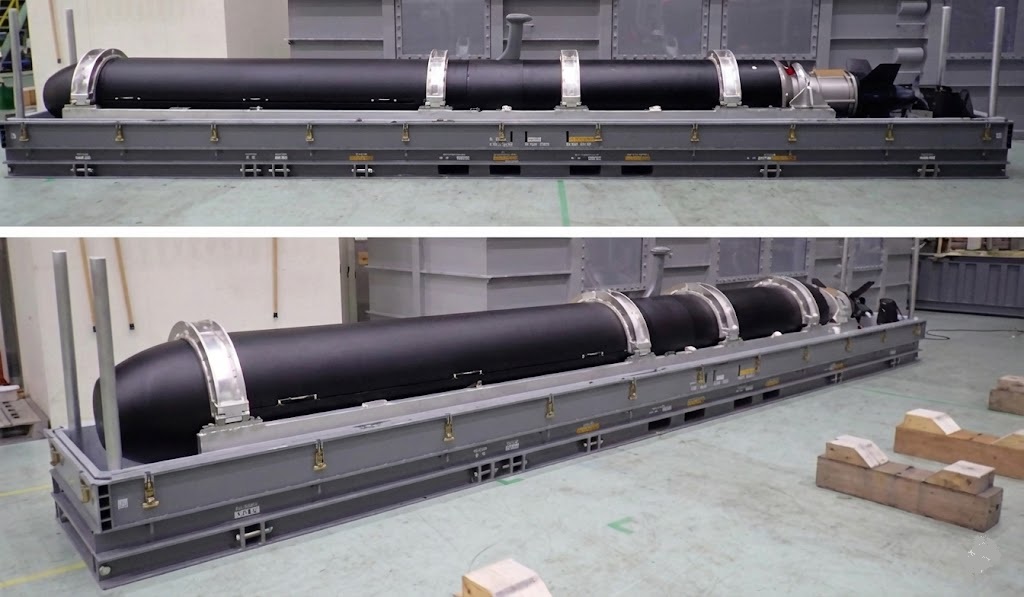
Japan has officially begun mass production of its upgraded Type 03 Chu-SAM Kai medium-range air defense system, marking a major transition from development to large-scale operational deployment. The move was confirmed in an annual defense investment document released on December 26, 2025 by the Japanese Ministry of Defense, underscoring Tokyo’s determination to reinforce its integrated air and missile defense architecture amid intensifying regional missile activity.
The start of production signals that the Type 03 Kai has cleared critical testing, evaluation, and validation milestones. Japanese defense officials characterize the system as a core mid-layer interceptor, specifically optimized to counter ballistic missiles, maneuvering re-entry vehicles, and emerging hypersonic glide threats that challenge traditional air defense systems.
Evolution from Type 03 to Type 03 Kai
The original Type 03 Chu-SAM entered service with the Japan Ground Self-Defense Force (JGSDF) in 2003, replacing the aging Type 81 Tan-SAM. Developed and manufactured by Mitsubishi Electric, the baseline system introduced active radar-homing missiles, truck-mounted vertical launchers, and a phased-array fire-control radar capable of engaging multiple targets simultaneously.
Designed from the outset as a mobile and networked system, the Type 03 was integrated into Japan’s multi-layered air defense strategy, operating alongside U.S.-supplied Patriot PAC-3 systems for higher-altitude interception and indigenous short-range defenses for point protection.
The Kai (improved) variant represents a substantial technological leap, rather than a routine upgrade. According to officials, improvements focus on enhanced sensor fusion, advanced guidance algorithms, and greater effectiveness against high-speed, maneuvering targets operating in contested electromagnetic environments.
Budget Allocation and Production Funding
Japan’s draft Fiscal Year 2026 defense budget, approved by the Cabinet on December 26, 2025, formally includes ¥5.1 billion (approximately USD 32.6 million) for the initial production tranche of the Type 03 Chu-SAM Kai. This allocation marks the system’s first dedicated procurement funding line, aligning with Japan’s record defense spending framework driven by accelerating regional security challenges.
Defense planners indicate that early production units will be used for frontline deployment, operator training, and doctrinal refinement, ensuring smooth integration into Japan’s expanding command, control, and early-warning network.
Missile and System Specifications
While the Japanese Ministry of Defense has withheld certain classified parameters, available data and defense-industry disclosures outline the system’s core capabilities. The Type 03 Chu-SAM Kai interceptor is assessed to have a maximum engagement range of approximately 50 kilometers and an intercept altitude of up to 25 kilometers, firmly positioning it in the medium-range air defense category.
The missile employs active radar homing with mid-course guidance updates, allowing autonomous terminal engagement while remaining fully networked with external early-warning sensors. The upgraded radar is believed to incorporate an advanced AESA (Active Electronically Scanned Array), improving detection of low-observable targets, tracking of high-velocity threats, and resilience against electronic warfare and jamming.
Launchers remain truck-mounted with vertical launch capability, preserving 360-degree coverage, rapid shoot-and-scoot mobility, and high survivability in dynamic combat environments. Each battery is designed to operate as part of a distributed, network-centric formation, receiving targeting data from ground-based radars, airborne sensors, and national-level command nodes.
Strategic Significance
Defense analysts view the start of mass production as a strategic inflection point in Japan’s homeland defense modernization. With regional actors expanding their ballistic missile inventories and accelerating hypersonic weapons development, Tokyo’s investment in an indigenous, high-performance medium-range interceptor reflects both operational necessity and a drive for defense-industrial self-reliance.
Once fully fielded, the Type 03 Chu-SAM Kai is expected to rank among the most capable medium-range air defense systems in the Asia-Pacific region, significantly enhancing Japan’s ability to detect, track, and intercept next-generation aerial threats and reinforcing the credibility of its multi-layered national missile defense shield.
About the Author
Aditya Kumar:
Defense & Geopolitics Analyst
Aditya Kumar tracks military developments in South Asia, specializing in Indian missile technology and naval strategy.