Japan Completes Development of Land-Based Improved Type 12 Missile
Japan has reached a significant milestone in its long-range strike modernization program, as the Acquisition, Technology & Logistics Agency (ATLA) announced on December 19 that development of the land-based variant of the Improved Type 12 Surface-to-Ship Missile has been successfully completed. The announcement reflects Japan’s accelerating efforts to strengthen its stand-off strike and deterrence capabilities amid a deteriorating regional security environment.
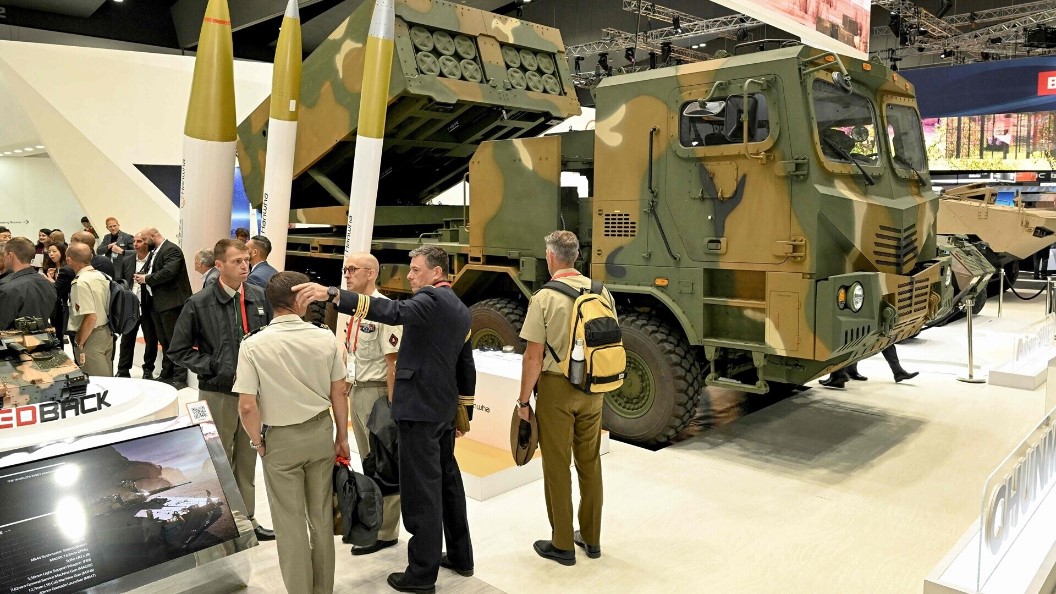
The Improved Type 12 missile is a deeply modernized evolution of the original Type 12 anti-ship missile, incorporating a dramatically extended range, enhanced survivability, and improved guidance and targeting systems. Widely assessed as belonging to the 1,000-kilometer-class, the missile is intended to enable the Japan Ground Self-Defense Force (JGSDF) to strike hostile naval forces from well beyond the reach of previous-generation systems while operating from mobile land-based launchers.
Overseas Testing Driven by Domestic Range Constraints
Despite Japan’s growing ambition to field longer-range indigenous missiles, testing such weapons at home remains a significant challenge. The country’s geography and the limited size of existing missile ranges make full-distance live firing impractical. As a result, ATLA has been compelled to conduct key development trials overseas until a suitable domestic alternative becomes available.
As previously reported by defense observers, Japan plans to address this limitation by establishing a new long-range missile test area near the waters surrounding Minamitori-shima, its easternmost island. Once operational, the facility is expected to provide Japan with an unprecedented ability to test long-range missiles domestically, reducing reliance on foreign ranges.
Live Firings Conducted on the U.S. West Coast
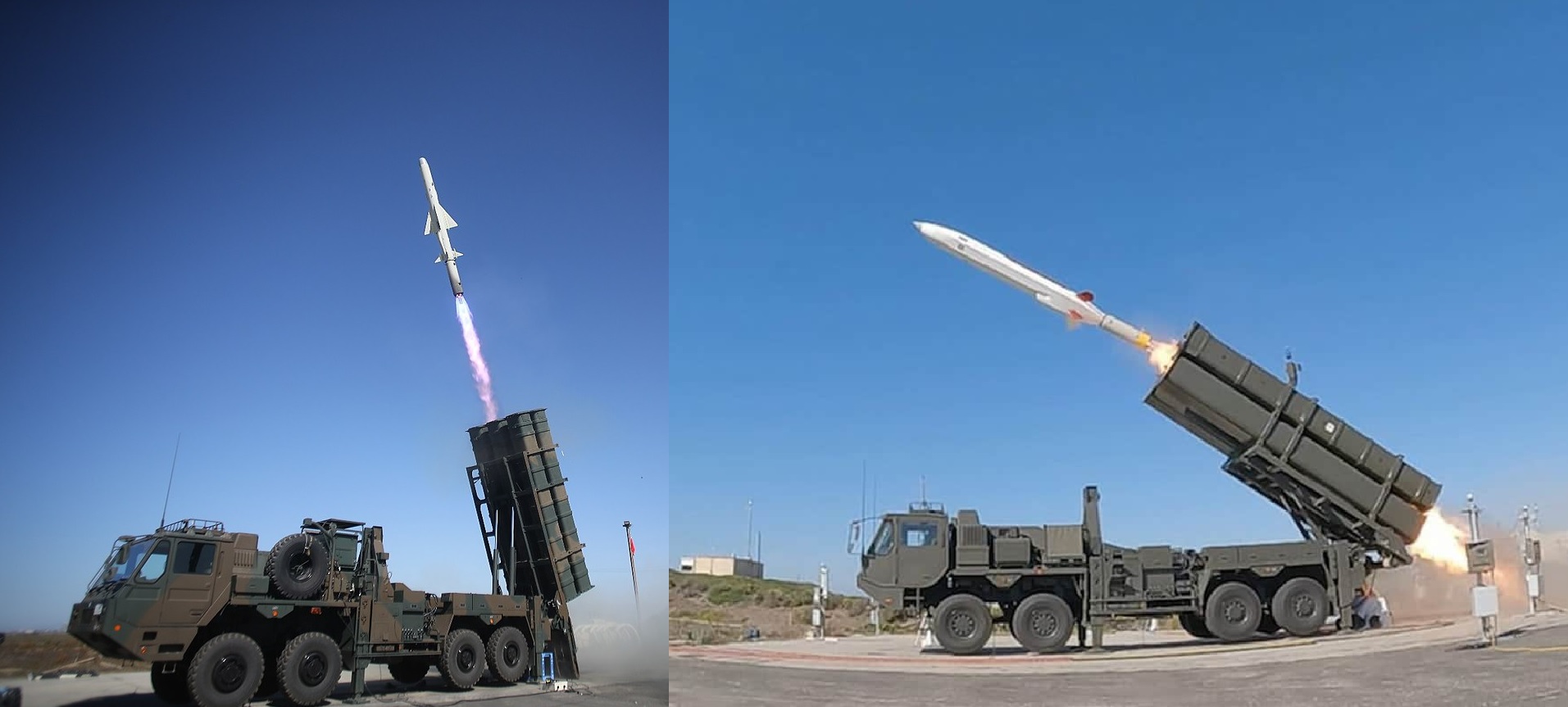
To validate the Improved Type 12 under realistic operational conditions, ATLA carried out an extensive series of live firings in the United States. Between October 8 and November 27, Japanese teams launched seven Improved Type 12 missiles from an operationally representative land-based launcher at the Point Mugu Sea Range in Southern California.
The Point Mugu range, one of the largest and most instrumented test complexes in the world, enabled Japan to conduct end-to-end evaluations of the missile’s flight profile, guidance performance, and overall reliability across a variety of test environments. ATLA photographs released with the announcement showed the missile being fired from a JGSDF-style mobile launcher, highlighting its readiness for frontline deployment.
Ground Forces to Receive First Operational Missiles
With development now complete, Japan is moving rapidly toward operational fielding. The 5th Surface-to-Ship Missile Regiment at Camp Kengun in Kumamoto Prefecture is scheduled to receive the first batch of operational land-based Improved Type 12 missiles next year. Subsequent deployments will follow to the 8th SSMR in Oita Prefecture and the 7th SSMR in Okinawa Prefecture, regions that play a central role in Japan’s southwestern defense posture.
These units are expected to form a key element of Japan’s island defense strategy, providing long-range anti-ship coverage and complicating any adversary’s naval operations in surrounding waters.
Air and Sea Variants Move Toward Service
The Improved Type 12 program is not limited to land forces. For the Air Self-Defense Force, the air-launched variant is scheduled to enter service in FY2027, with the first batch integrated onto Mitsubishi F-2 fighter aircraft stationed at Hyakuri Air Base. This will significantly expand the F-2’s maritime strike reach, enabling aircraft to launch from well outside contested airspace.
At sea, the Maritime Self-Defense Force is also preparing to field the missile. The JS Teruzuki, an Akizuki-class general-purpose destroyer, will become the first Japanese warship equipped with the sea-based Improved Type 12 following a scheduled upgrade in FY2027. The integration reflects a broader push to enhance the long-range strike options available to Japan’s surface fleet.
Parallel Cruise Missile Integration Continues
Alongside its domestic missile programs, Japan is also advancing the integration of foreign long-range weapons. The JS Chokai, a Kongo-class guided missile destroyer, is slated to complete integration of the U.S.-made Tomahawk cruise missile next year. A live firing test is planned for the summer at Point Mugu, marking another key step in Japan’s expanding strike capabilities.
A Cornerstone of Japan’s Deterrence Shift
The completion of the land-based Improved Type 12 marks a major turning point in Japan’s defense policy. Together with air- and sea-launched variants and the parallel introduction of the Tomahawk cruise missile, the system represents a key pillar of Japan’s evolving multi-domain, long-range deterrence architecture, aimed at strengthening national defense and regional stability.
✍️ This article is written by the team of The Defense News.