Japan Approves Record $58B Defense Budget in $785B 2026 Spending Plan
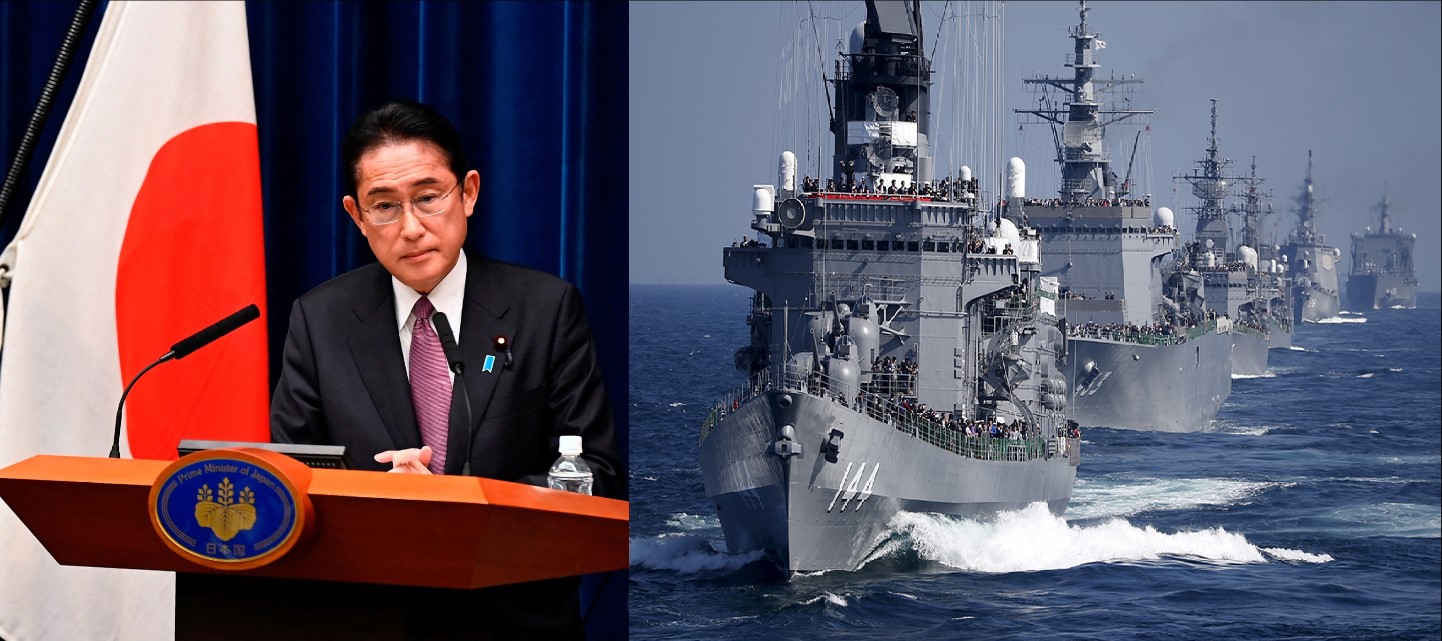
Japan has formally approved a ¥785 billion (approximately $785 billion) national budget for fiscal year 2026, signalling a decisive break from decades of restrained defense policy. The budget includes a record $58 billion allocation for defense, the largest in Japan’s post-war history, as the government responds to what it calls the most severe and complex security environment since World War II.
Senior officials say the scale and direction of the spending reflect a recognition that Japan must rapidly modernize its forces to deter emerging threats in the Indo-Pacific, particularly those involving long-range precision strikes, unmanned systems, and high-end air combat.
Defense Spending Accelerates Toward 2% of GDP
The 2026 defense budget places Japan on track to reach 2 percent of gross domestic product in military spending by March 2026, a level long associated with NATO standards. Once the threshold is met, Japan is projected to become the world’s third-largest military spender, behind only the United States and China, underscoring the magnitude of Tokyo’s strategic shift.
Government planners describe the increase not as militarization, but as a necessary evolution of deterrence in an era defined by missile proliferation, gray-zone coercion, and rapid regional force expansion.
Long-Range Strike Becomes a Core Capability
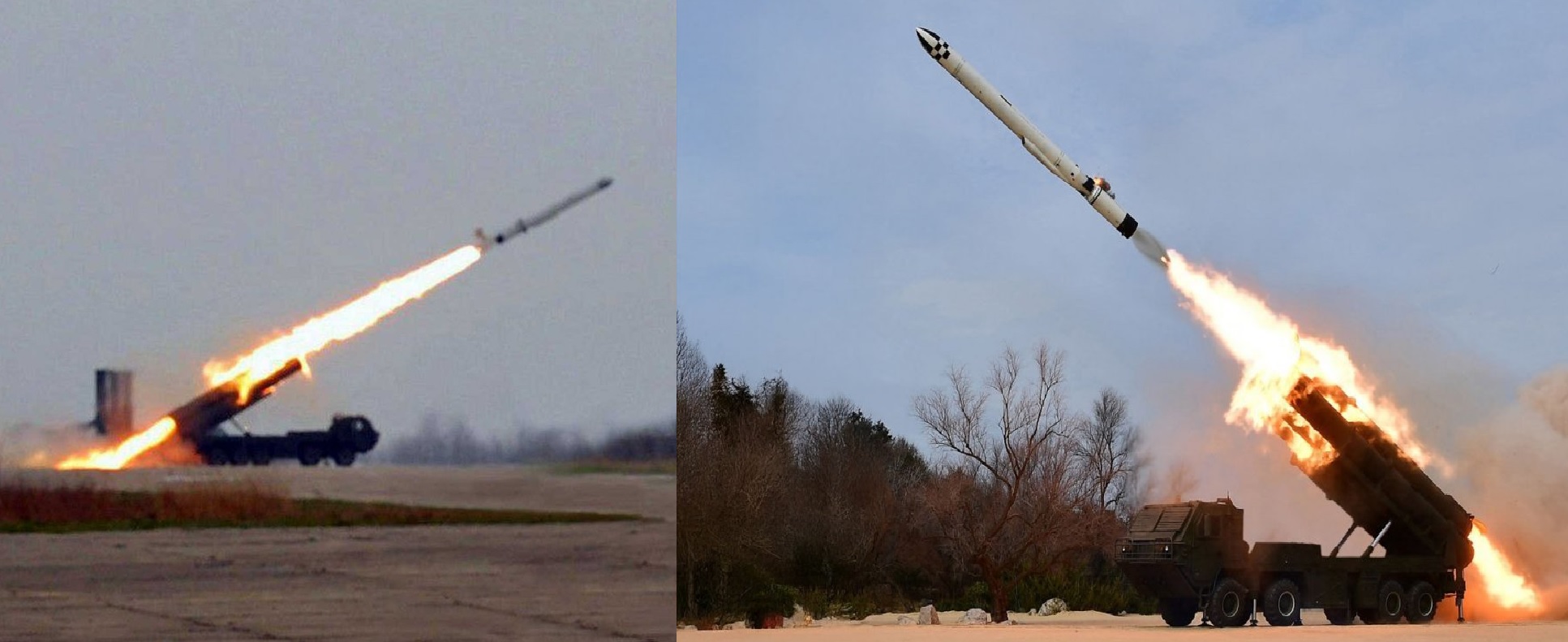
A central pillar of the new budget is the development of long-range standoff strike capability. Approximately $6.2 billion has been allocated for standoff weapons designed to allow the Japan Self-Defense Forces to neutralize threats from outside enemy air-defense envelopes.
Within this total, $1.13 billion is dedicated to upgrading the Type-12 missile, extending its range and adapting it for land-attack missions. The enhanced system is intended to strengthen Japan’s ability to defend its southwestern island chain and critical maritime routes across the East China Sea and the wider western Pacific.
Unmanned Systems and Drone-Based Coastal Defense
The 2026 budget also reflects a strong shift toward unmanned and autonomous warfare, influenced by recent conflicts demonstrating the battlefield impact of drones. Around $640 million has been earmarked for large-scale unmanned systems, including surveillance drones, maritime platforms, and drone-based coastal defense networks.
Defense officials say these systems will enable persistent monitoring of Japan’s extensive coastline, improve early warning against amphibious operations, and reduce risks to personnel in high-threat environments.
Next-Generation Airpower Through Global Partnership
Japan’s airpower modernization continues through its participation in the Global Combat Air Programme, a joint next-generation fighter initiative with the United Kingdom and Italy. The 2026 budget allocates approximately $1 billion to the program, which aims to deliver a sixth-generation stealth fighter by the mid-2030s.
The aircraft is expected to integrate artificial intelligence, advanced sensors, and networked combat systems, eventually replacing Japan’s aging F-2 fleet and reinforcing interoperability with allied air forces.
From Restrained Defense to Full-Spectrum Deterrence
Analysts view the 2026 budget as further evidence of Japan’s transformation from a strictly defensive force posture toward full-spectrum deterrence, including the ability to hold adversary assets at risk over long distances. While the government continues to emphasize adherence to its pacifist constitution, the scale, speed, and focus of the buildup mark a profound strategic recalibration.
As Japan implements its 2026 budget, the effects are expected to ripple across the Pacific security landscape, intensifying regional competition while deepening coordination with allies. The message from Tokyo is clear: Japan is no longer preparing solely to defend its territory, but to deter conflict across the broader Indo-Pacific through reach, resilience, and advanced military capability.
✍️ This article is written by the team of The Defense News.