Italy Launches Plan for Next-Generation Aircraft Carrier to Replace ITS Cavour by 2040
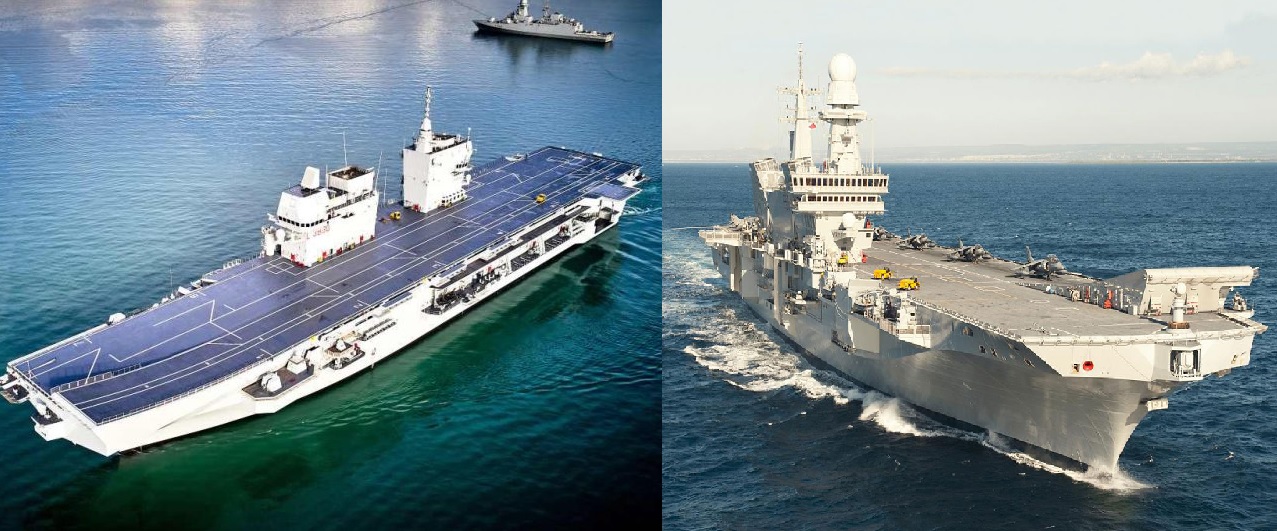
Italy has begun early research and feasibility studies for a next-generation aircraft carrier, marking the first step toward replacing its current flagship ITS Cavour. The initiative, called “Portaerei di Nuova Generazione” (New Generation Aircraft Carrier), is part of Italy’s 2025–2027 Defense Plan, which aims to modernize the nation’s naval and air capabilities.
Rising Defense Budget and Funding Plan
Italy’s 2025 defense budget stands at 31.2 billion euros ($36.2 billion) — a 7.2% increase over the previous year — highlighting the government’s growing emphasis on defense modernization.
The New Generation Aircraft Carrier project has received 3 million euros ($3.4 million) for 2025, 1 million euros ($1.1 million) for 2026, and 2 million euros ($2.3 million) for 2027, specifically to fund feasibility and concept studies.
While these are small preliminary allocations, they will lay the groundwork for design evaluation, propulsion options, and cost-benefit analyses before moving into large-scale development later in the decade.
Possibility of Nuclear Propulsion
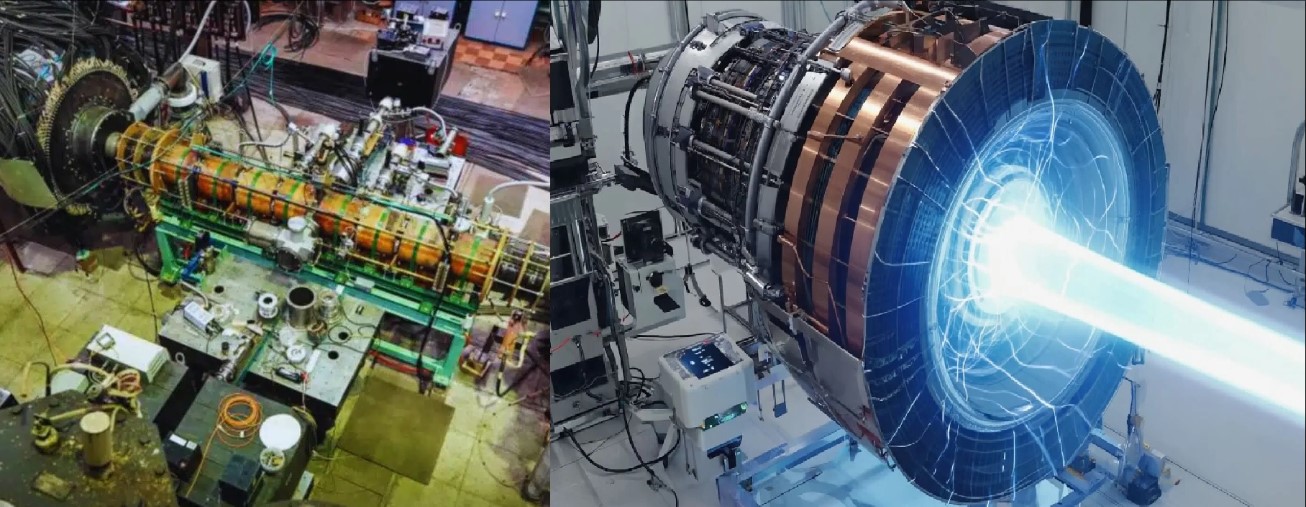
Although the Ministry of Defense has not officially confirmed nuclear propulsion, a related national research program suggests that Italy is seriously exploring the option.
A joint study initiated in 2023 by Fincantieri, Ansaldo Nucleare, RINA Services, and the University of Genoa is examining the feasibility of compact lead-cooled fast reactors that can generate around 30 megawatts of power.
Such compact reactors could make the carrier self-sustaining for years, reducing refueling needs and enabling extended deployments — a capability currently held only by the U.S., France, and China. If adopted, this would mark a major technological leap for the Italian Navy.
Replacing ITS Cavour
The ITS Cavour (CVH 550), commissioned in 2008, currently serves as Italy’s flagship and operates F-35B Lightning II jets. However, the vessel’s design reflects early 2000s technology and lacks modern systems such as electromagnetic aircraft launch systems (EMALS) and expanded hangar capacity for unmanned aircraft.
The proposed New Generation Carrier aims to integrate these systems, featuring advanced automation, larger flight decks, greater sortie rates, and improved stealth and survivability.
According to initial planning, the new carrier could enter service by the late 2030s, aligning with the timeline for the gradual retirement of Cavour.
How Much Will It Cost to Operate and Maintain?
Operating and maintaining a modern aircraft carrier is a massive financial commitment.
Currently, Italy’s ITS Cavour costs around 200–250 million euros annually to operate — including crew salaries, maintenance, logistics, and aircraft support.
A next-generation carrier, depending on whether it uses conventional or nuclear propulsion, would likely require 350–400 million euros per year in operational expenditure.
When factoring in construction, equipment, aircraft integration, and lifetime maintenance, total program costs could exceed 5–6 billion euros over its lifecycle — potentially even higher if nuclear propulsion and EMALS systems are adopted.
Defense analysts suggest that Italy may need to increase its annual naval operating budget by at least 500 million euros throughout the 2030s to sustain the carrier’s construction, deployment, and support infrastructure.
Timeline of Development
According to the 2025–2027 plan, the project will move through three main phases:
-
2025–2027: Feasibility studies, propulsion evaluation, and preliminary industrial partnerships.
-
2028–2030: Concept definition, ship design finalization, and selection of propulsion type (conventional or nuclear).
-
Early 2030s onward: Construction and integration phase, with sea trials likely by the mid-2030s and commissioning targeted between 2038 and 2040.
This timeline allows for industrial capacity building within Italian shipyards and for potential technology transfers from partners such as France or the U.S. if nuclear or EMALS systems are pursued.
Expansion in Naval and Air Capabilities
Beyond the carrier program, Italy’s 2025–2027 defense strategy confirms plans to purchase six Maritime Multi-Mission Aircraft (M3A) to replace its retired Bréguet 1150 Atlantic fleet, enhancing maritime patrol and anti-submarine warfare (ASW) capabilities.
Italy is reportedly considering Japan’s Kawasaki P-1 — a long-range patrol aircraft renowned for its advanced ASW sensors and endurance.
Additionally, a Next-Generation Submarine (NGS) program is in early development. These submarines will operate alongside the Todaro-class (Type 212A) fleet and eventually replace the aging Sauro-class (Type 212) submarines introduced in the late 1970s.
Strategic Significance
With this initiative, Italy is reaffirming its role as a maritime power within NATO’s southern command and the Mediterranean region. The new carrier will serve as the centerpiece of a modern naval strike group, supported by destroyers, frigates, and submarines, ensuring Italy’s ability to project power, protect trade routes, and respond to crises far from its shores.
Moreover, the program is expected to strengthen Italy’s defense industry, particularly Fincantieri, giving it the technological edge to compete in future global shipbuilding projects.
Italy’s Portaerei di Nuova Generazione is more than a modernization plan — it is a strategic leap toward a 21st-century navy. With early funding already secured and feasibility studies underway, the project’s success will depend on sustained political support, budget allocation, and industrial collaboration.
If fully realized by 2040, Italy will possess a next-generation, potentially nuclear-powered aircraft carrier — capable of launching F-35B fighters, drones, and future naval aircraft — cementing its position as one of Europe’s most advanced naval powers.
About the Author
Aditya Kumar:
Defense & Geopolitics Analyst
Aditya Kumar tracks military developments in South Asia, specializing in Indian missile technology and naval strategy.