Israel and Hezbollah Ceasefire: A Fragile Peace After 14 Months of Conflict
In a significant development for the Middle East, Israel and the Lebanon-based Hezbollah militant group agreed to a ceasefire on Wednesday, aiming to halt nearly 14 months of intense fighting. The truce, brokered with U.S. and French mediation, began at 4 a.m., marking a potential turning point in a region marred by escalating violence. As the first hours of calm unfolded, Beirut's southern suburbs, which bore the brunt of Israeli airstrikes, saw celebratory gunfire, but no breaches of the agreement were reported.
Ceasefire Terms and Conditions
The ceasefire stipulates a two-month cessation of hostilities. It requires Hezbollah to withdraw its armed forces north of the Litani River, about 30 kilometers from the Israeli border, while Israeli troops retreat to their side. In their place, thousands of Lebanese soldiers and U.N. peacekeepers will deploy to ensure compliance. An international panel, led by the U.S., will monitor the situation, with Israel reserving the right to respond if it perceives any violations.
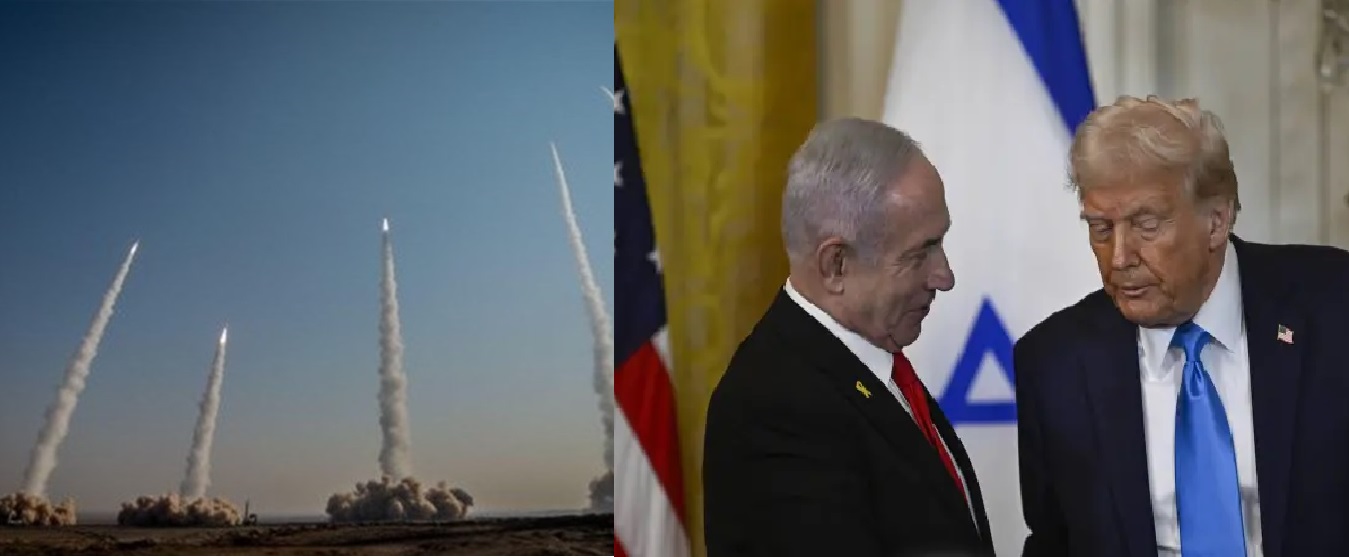
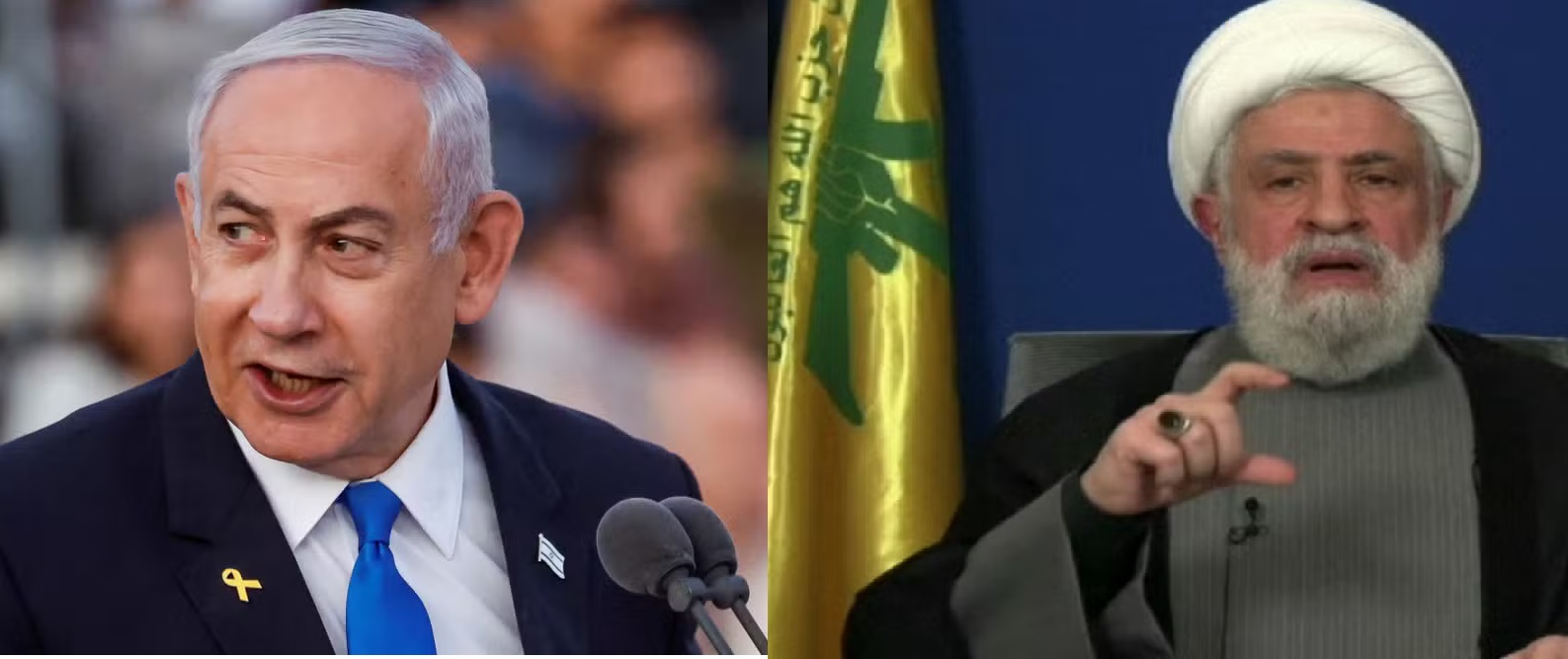
Prime Minister Benjamin Netanyahu emphasized that Israel would retaliate "with might" against any breach, while Lebanese caretaker Prime Minister Najib Mikati hailed the agreement as a step toward stability. However, Hezbollah has expressed reservations, with officials signaling a review of the final agreement to ensure it aligns with their understanding of Lebanon's sovereignty.
Escalation and Humanitarian Toll
The agreement follows one of the most intense periods of fighting, including Israel's largest wave of airstrikes on Beirut since the conflict's inception. On the eve of the ceasefire, Israeli forces targeted key Hezbollah-linked sites, resulting in at least 42 fatalities across Lebanon. The southern suburbs of Beirut, a Hezbollah stronghold, were particularly devastated, with residential and commercial areas heavily bombarded.
The humanitarian toll has been immense. Over the past 13 months, Lebanese health officials report more than 3,760 fatalities, predominantly civilians, and the displacement of 1.2 million people. On the Israeli side, 75 individuals, including civilians and soldiers, have lost their lives, with 50,000 residents evacuated from northern regions. Hezbollah's rockets, which have reached as far as Tel Aviv, have underscored the conflict's far-reaching impact.
Broader Implications
The ceasefire in Lebanon holds significant geopolitical implications, potentially reducing the likelihood of a broader conflict involving Iran, a key backer of both Hezbollah and Hamas. Israel's recent military operations in Lebanon were seen as part of a broader strategy to weaken Iran's influence in the region, especially after direct confrontations between Israeli and Iranian forces earlier this year.
Despite the truce, tensions remain high, particularly regarding the ongoing Gaza conflict. The ceasefire does not extend to Gaza, where Hamas continues to hold dozens of Israeli hostages. U.S. President Joe Biden, who described the Lebanon ceasefire as "good news," acknowledged the complexity of brokering peace in Gaza, where negotiations have repeatedly faltered.
Challenges to Stability
The fragility of the agreement is underscored by lingering disputes. Israel insists it retains the right to preemptively strike Hezbollah if it suspects violations, a stance rejected by Lebanese and Hezbollah officials. This ambiguity poses a potential flashpoint for renewed hostilities.
Additionally, the deep scars left by the conflict, both in human and infrastructural terms, highlight the daunting challenges ahead. The evacuation of southern Lebanon and the destruction of civilian areas have fueled resentment, complicating efforts to foster lasting peace.
The ceasefire offers a glimmer of hope for a region that has endured relentless violence. However, its success will hinge on the commitment of all parties to uphold the terms and the international community's ability to mediate disputes. For now, the world watches cautiously, aware that the road to peace remains fraught with challenges.
This truce, while promising, is a fragile first step in addressing the broader issues that have perpetuated decades of conflict in the region.
✍️ This article is written by the team of The Defense News.