Israel Warns Trump Administration: IRGC Missile Exercise May Mask Surprise Attack Preparations
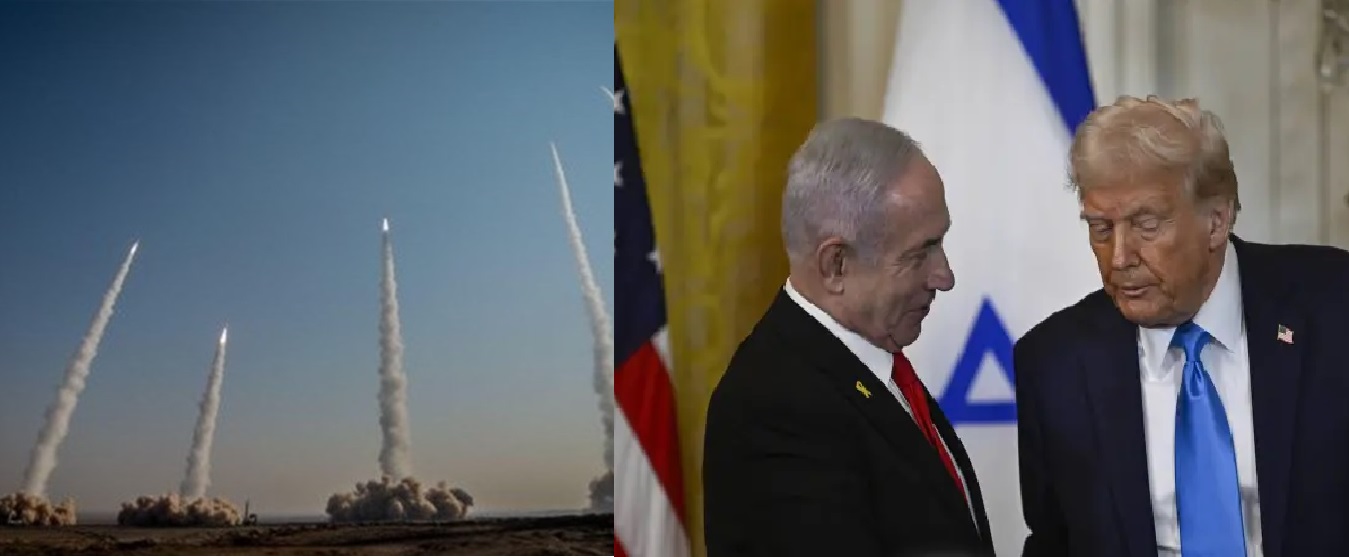
Israel has formally warned the Trump administration that a major missile exercise currently underway by Iran’s Islamic Revolutionary Guard Corps (IRGC) could conceal preparations for a sudden military strike against the Jewish state, senior officials and Western intelligence sources said on Monday. The alert comes amid escalating tensions in the Middle East and ahead of a high-stakes meeting scheduled later this month between Israeli Prime Minister Benjamin Netanyahu and U.S. President Donald Trump in Miami.
Israeli military leadership, including Chief of Staff Lt. Gen. Eyal Zamir, communicated the concerns directly to the head of U.S. Central Command, Admiral Brad Cooper, emphasizing that recent drills by the IRGC Aerospace Force could serve as cover for a surprise attack rather than being routine training. Though Israeli analysts currently assess the probability of an actual Iranian strike as below 50 per cent, they argue that the risk tolerance in Jerusalem is markedly low following previous conflicts and surprise offensives.
Exercise Activity and Unusual Movements
The missile drills, reported to have begun in mid-December 2025, involve extensive coordination among Iran’s ballistic missile units, drone squadrons, and air-defense forces. According to Western intelligence assessments, the activity — detected around December 20–21, 2025 — has featured highly synchronized movements and command-and-control signals, along with logistical deployments that extend beyond patterns typical of standard exercises.
Western agencies, monitoring the IRGC Aerospace Force — the branch responsible for Iran’s ballistic missile and drone capabilities — have reported unusual aerial and ground activity, including coordinated repositioning of missile launchers, drone units, and air-defense batteries. These anomalies have been described as “beyond normal” for routine drills, prompting heightened surveillance and analysis.
Although Iranian officials have not publicly detailed the scope or goals of the drills, state media confirmed that multiple cities — including Tehran, Isfahan, and Mashhad — were part of extensive missile exercise operations on December 22, 2025, framed domestically as defensive measures against regional threats. Tehran insists its weapons programs are strictly for deterrence and sovereignty protection.
Intelligence Dossier and Strategic Concerns
In preparation for Netanyahu’s upcoming briefing to President Trump, Israeli intelligence has reportedly compiled a comprehensive dossier outlining Tehran’s alleged renewed efforts to rebuild its nuclear and ballistic missile programs, as well as expand support for allied proxy groups across the region — including Hezbollah in Lebanon and various militias in Iraq and Syria. Israeli sources say the document highlights not just the ongoing drills but also unconventional activity detected by Western intelligence that could signal a shift toward offensive posturing.
Israeli officials have underscored their concerns that Iran may be using the exercise as strategic cover to reposition or conceal offensive assets, potentially preparing them for rapid deployment if a decision to strike is made. The deep distrust stems partly from precedent events, such as Iran’s missile assault on Israeli territory in June 2025, when Tehran fired hundreds of drones and ballistic missiles in retaliation for Israeli strikes on Iranian facilities.
U.S. Response and Regional Implications
While U.S. intelligence agencies acknowledge the unusual movements, American officials have so far not seen definitive evidence of an imminent Iranian offensive, according to sources familiar with the assessments. Washington’s position remains centered on caution and close coordination with Israeli defense planners to bolster defensive readiness rather than immediate escalation.
The timing of the Israeli warning — just days before Netanyahu’s highly anticipated discussions with President Trump — suggests Jerusalem is seeking not only U.S. military support for bolstering missile defenses but also possible backing for preemptive options should Tehran’s activities evolve into a clear threat. Reports indicate that the Israeli leadership may present a range of potential responses, including coordinated future strikes aimed at degrading Iran’s expanding missile infrastructure.
Looking Ahead
Analysts caution that while the current exercise may ultimately prove routine, the broader context of sustained tensions — including Iran’s ongoing development of long-range missiles and its complex web of regional alliances — demands vigilant monitoring. Both Israeli and U.S. intelligence communities continue to analyze satellite imagery, signal intercepts, and other classified data as they refine assessments of Tehran’s true intentions.
As Netanyahu prepares to present Israel’s case to Trump later this month, the international community watches closely, aware that even misinterpretations of military drills could inadvertently escalate into armed conflict across the Middle East — a region already volatile from years of proxy wars and geopolitical rivalries.
✍️ This article is written by the team of The Defense News.