Israel Urges South Korea to Join Next-Gen Hypersonic Defense Race
The rise of hypersonic missiles is forcing militaries worldwide to rethink how they defend their skies, and Israel is urging South Korea to play a central role in shaping the next generation of air defense. Speaking to South Korea’s Maeil Business Newspaper, Yuval Baseski, Vice President of Rafael Advanced Defense Systems, warned that the rapid progress of North Korea and Iran in hypersonic weapons programs is creating an urgent need for new solutions.
“Hypersonic missiles open a new era in air defense,” Baseski said, stressing that both Pyongyang and Tehran are committing heavy resources to these systems. Unlike conventional ballistic missiles, which follow predictable paths, or cruise missiles, which are slower, hypersonic glide vehicles can maneuver at speeds above Mach 5, flying within the atmosphere while evading traditional tracking and interception methods.
North Korea has already claimed significant progress. In January, it announced a successful test of a hypersonic missile, which reportedly climbed to 100 kilometers altitude before descending to 42.5 kilometers and gliding toward a target in the East Sea. Iran, too, has entered the arena with its Fattah-1 missile, unveiled in 2023, and continues to expand its hypersonic research. These advancements add new complexity to the already tense security environment in East Asia and the Middle East.
Baseski explained why traditional missile defense principles no longer apply. Current systems rely on interceptors flying faster than incoming threats, but hypersonic speeds make this impossible within the atmosphere due to friction limits. He compared the challenge to basketball: “One interceptor tracking one hypersonic missile is like defending LeBron James with a single player. You may chase him, but you won’t stop him from scoring.” Instead, he advocated for a “zone defense” approach, where multiple interceptors coordinate to cover broader areas and engage incoming weapons collectively.
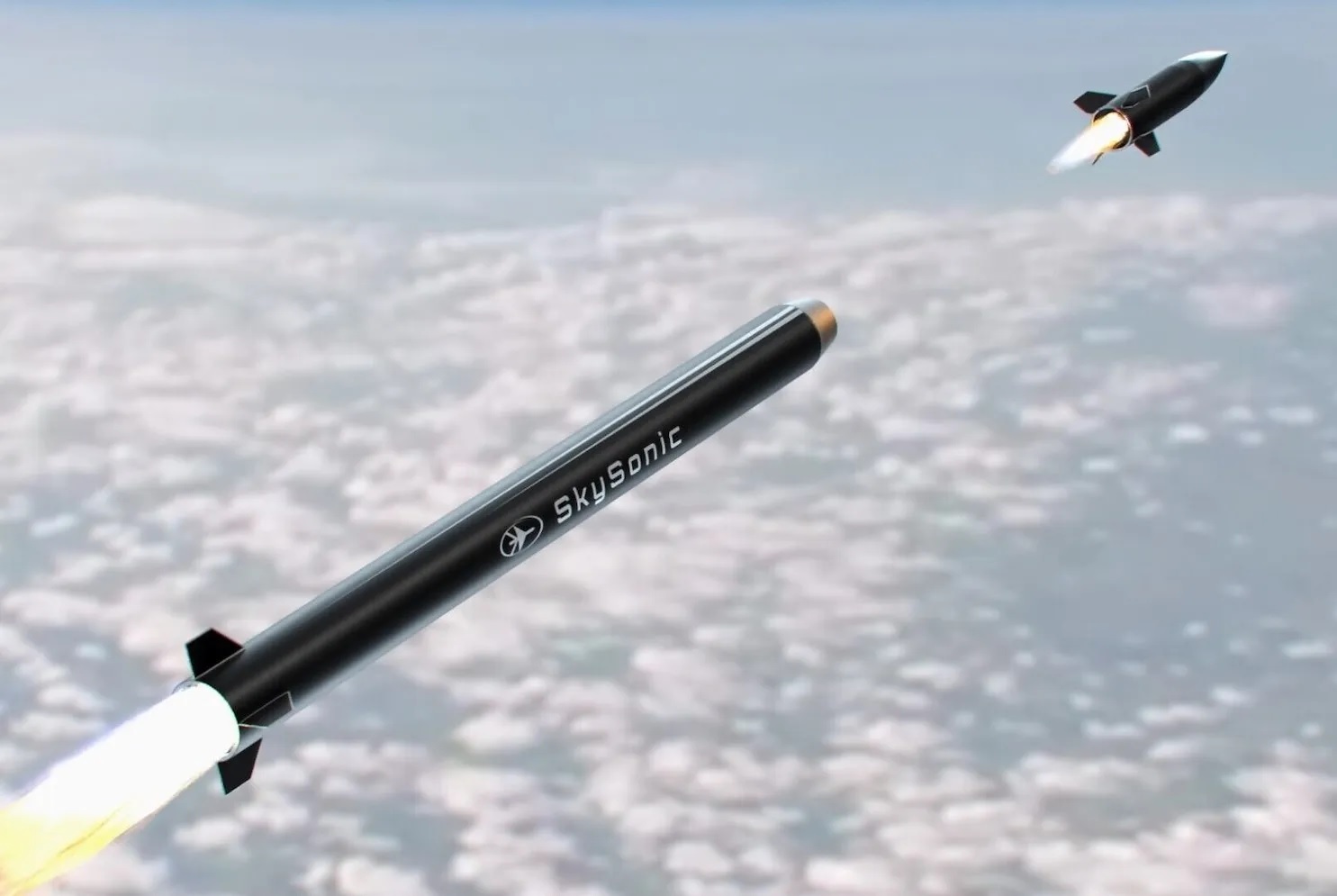
To meet this challenge, Rafael is developing the Sky Sonic interceptor, a cutting-edge system designed specifically to counter hypersonic threats. Baseski suggested that South Korea’s involvement could significantly accelerate progress. He pointed to Seoul’s large-scale production capabilities, proven efficiency in fast defense exports, and unique expertise in operating across mountainous terrain as assets that could complement Israel’s experience.
South Korea’s record in defense exports has indeed caught global attention. The country has delivered K9 self-propelled howitzers and FA-50 light combat aircraft to Poland ahead of schedule, earning high praise from Warsaw. This reputation for rapid and reliable manufacturing makes Seoul a highly attractive partner for international defense collaborations.
The economic stakes are also high. The global air defense market is estimated at $95.7 billion in 2025, with demand expected to surge as hypersonic threats proliferate. Baseski noted that no ready-made system currently exists to counter hypersonic missiles, presenting what he described as “a unique opportunity to take a leading position in the global market.” Whoever develops the first effective defense, he added, will not only gain strategic advantage but also reap significant economic rewards.
Rafael’s track record gives credibility to its proposals. Its multi-layered defense systems—most famously Iron Dome—have demonstrated over 90 percent interception success in real combat, protecting Israeli cities from rocket attacks. Such battlefield-proven systems have become global benchmarks, with even the United States recently calling for an “Iron Dome for America.”
Baseski will travel to Seoul in September to attend the World Knowledge Forum, where discussions on joint cooperation are expected to continue. For South Korea, which faces the direct threat of North Korea’s expanding missile arsenal, the prospect of partnering with Israel on hypersonic defense could represent both a strategic shield and a chance to cement its position as a global defense powerhouse.
✍️ This article is written by the team of The Defense News.