Israel Moves Behind the Scenes to Stop U.S. F-35 Jets From Reaching Türkiye

Israeli Prime Minister Benjamin Netanyahu is reportedly waging an intense but low-profile diplomatic campaign to prevent the United States from approving sales of advanced F-35 Lightning II stealth fighter jets to Türkiye, even as broader U.S. plans to sell the jets to other regional partners move forward. Israeli officials are reportedly seeking to preserve the country’s long-cherished strategic advantage in air power without triggering a high-stakes public clash with U.S. President Donald Trump.
Netanyahu’s diplomacy — conducted largely behind closed doors rather than through public confrontation — reflects a nuanced calculation: Jerusalem is acutely wary of eroding its qualitative military edge (QME), a longstanding U.S. legal commitment to ensure Israel’s superiority in conventional military capabilities over potential adversaries in the Middle East, while recognizing that open dispute with Washington could jeopardize broader ties.
Concerns Over Türkiye’s Potential F-35 Acquisition
Israeli fears focus especially on Türkiye. Despite Ankara’s expulsion from the F-35 program in 2019 after it acquired Russian S-400 air defense systems — a move Washington said threatened sensitive U.S. technology — renewed talks have surfaced this month about Ankara possibly rejoining the program or acquiring F-35s as a foreign military sale.
In comments widely reported by Israeli and regional media, Netanyahu has dismissed the likelihood of U.S. approval for F-35 transfers to Türkiye as “extremely remote,” emphasizing that, if it did occur, Israel’s response would be stronger than its opposition to sales to Saudi Arabia.
Israeli officials warn that a Turkish fleet of F-35s — with their stealth and advanced avionics — could undercut Israeli air dominance, particularly over the Eastern Mediterranean, where Greek and Turkish air forces already have frequent confrontations. Jerusalem also points to Ankara’s support for militant groups hostile to Israel and diverging regional ambitions as sources of strategic anxiety.
U.S.–Türkiye F-35 Talks Continue Amid Legal and Security Hurdles
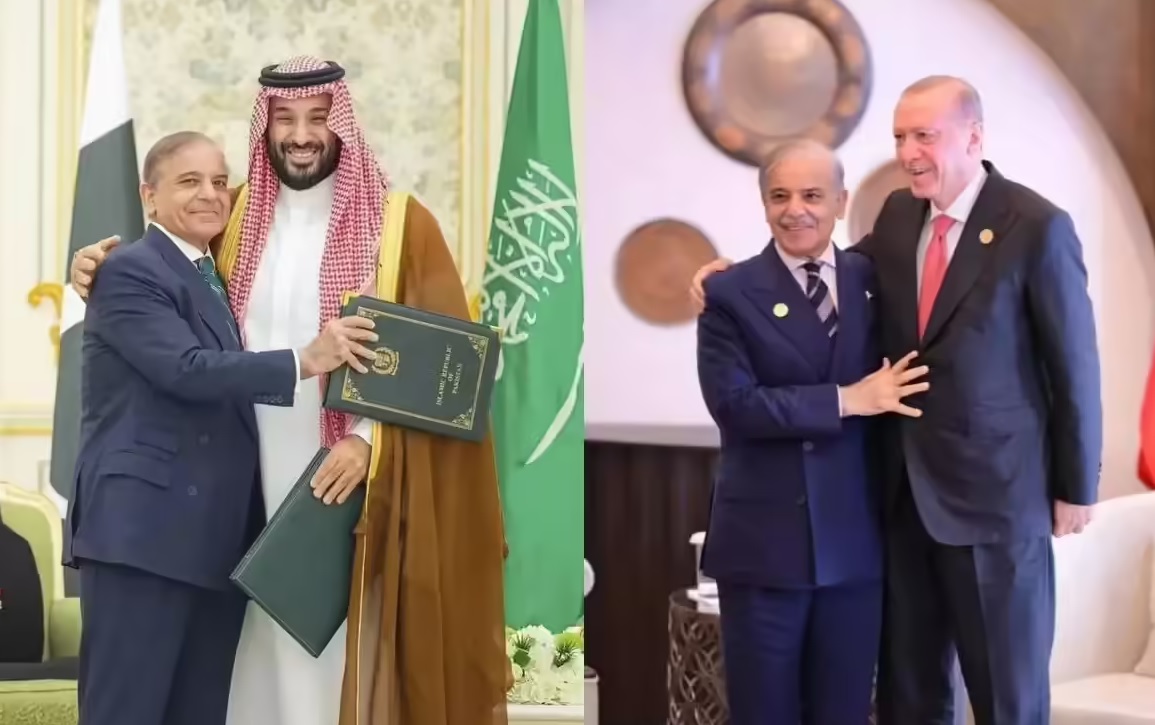
Meanwhile, in Washington and Ankara, diplomats are cautiously optimistic that President Trump’s close personal rapport with Turkish President Recep Tayyip Erdoğan could help break the longstanding impasse over F-35 sales. U.S. envoy Tom Barrack has described recent discussions as among the most productive in years, even as legal requirements — including the U.S. demand that Ankara relinquish its S-400 systems — remain central sticking points.
Turkey’s defense ministry has reiterated that there has been “no change” in its stance on the Russian S-400 systems, underscoring Ankara’s reluctance to dismantle or surrender the batteries despite continued diplomatic engagement over F-35 access.
Netanyahu’s Quiet Strategy
Rather than openly confront Trump — whose administration has signaled willingness to advance U.S.–Saudi defense cooperation, including F-35 sales — Israeli leaders have opted for discreet negotiations with key U.S. policymakers and allies in Congress. Netanyahu has reportedly raised the matter with senior figures at Lockheed Martin, the F-35’s manufacturer, and sought assurances from U.S. politicians supportive of Israel’s security concerns.
Israel’s reservations extend to broader regional dynamics. While Jerusalem reluctantly accepted Washington’s decision to proceed with a planned sale of F-35s to Riyadh — under assurances that Saudi jets would have downgraded capabilities to protect Israel’s edge — officials draw a sharp distinction between Riyadh and Ankara’s strategic intentions.
Geopolitical Ramifications
The dispute over F-35 sales comes against the backdrop of shifting alliances and rivalries across the Middle East. Türkiye’s aspirations to play a more assertive military and diplomatic role — including proposals to deploy forces in conflict zones like Gaza — have clashed with Israeli policy. At the same time, renewed U.S.–Türkiye dialogue reflects Trump’s broader recalibration of relations with Ankara, particularly regarding NATO cooperation and counter-terrorism efforts.
For Israel, preserving military superiority remains a paramount concern. With its own fleet of F-35I Adir jets — equipped with unique Israeli systems not shared with other operators — Jerusalem sees any dilution of its airpower advantage as a potential threat to national security.
As diplomatic negotiations continue on multiple fronts, the F-35 saga underscores how cutting-edge military technology has become a flashpoint in broader strategic contests involving the United States and its key Middle Eastern partners.
About the Author
Aditya Kumar:
Defense & Geopolitics Analyst
Aditya Kumar tracks military developments in South Asia, specializing in Indian missile technology and naval strategy.