Israel, Greece and Cyprus Discuss Forming 2,500-Troop Rapid Response Force Against Turkey
Israel, Greece and Cyprus are considering a new security arrangement in the Eastern Mediterranean that would bring together air, naval and ground forces into a 2,500-member rapid response force, according to several reports linked to talks among senior defense officials from the three countries.
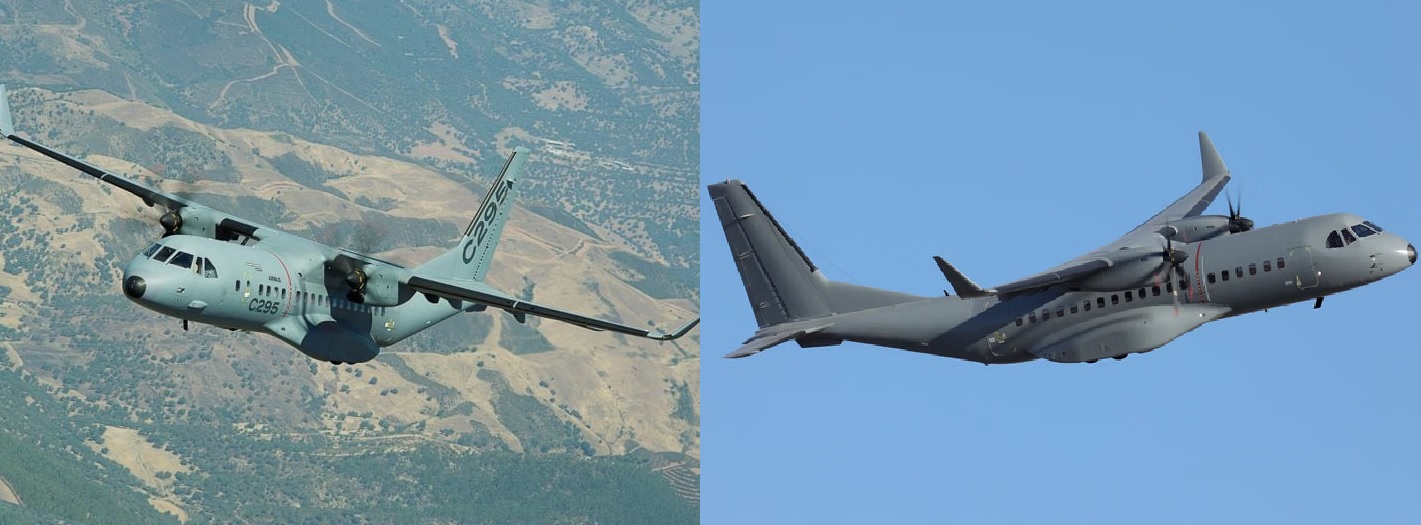
The idea, first reported in Greek media and echoed in Israeli and regional outlets, envisages a brigade-level force built around 1,000 troops from Israel, 1,000 from Greece and 500 from Cyprus, with each of Israel and Greece also allocating one air force squadron to support the unit. Potential operating nodes cited in the reporting include Cyprus, Israel, and the Greek islands of Rhodes and Karpathos, allowing the force to shift quickly in response to a crisis at sea, in the air or on land.
What the Force Would Look Like
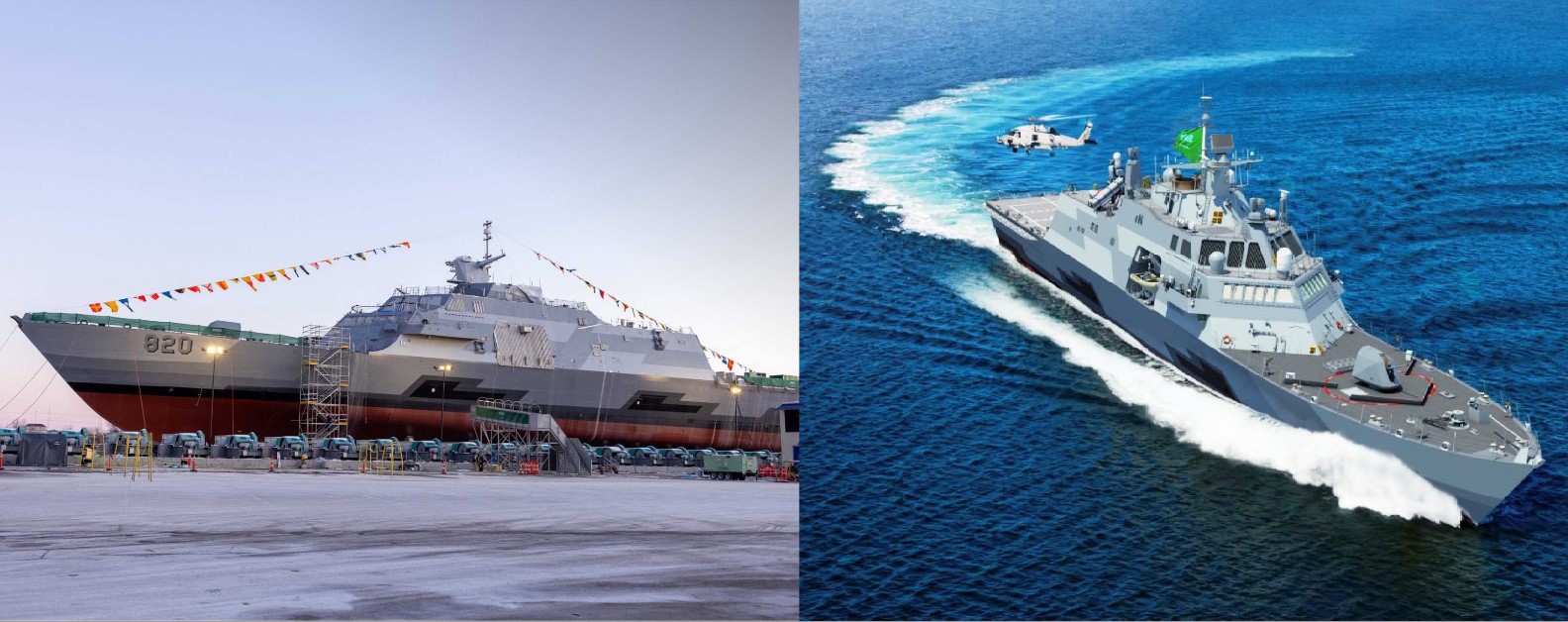
While the proposals vary by source, the most detailed versions describe a package combining warships, aircraft and pre-positioned infrastructure for surge deployments. One Cyprus-based report, attributed to the original Greek coverage, said the concept includes naval contributions such as a Greek frigate and submarine, and Israeli naval participation including a corvette and submarine, alongside aviation and ground components.
Israeli reporting has framed the mechanism as a way to provide additional “strategic depth” and tighter regional coordination at a time when Athens and Nicosia have grown increasingly wary of Ankara’s posture and maritime claims.
Officials Stress Talks Are Preliminary, Cyprus Minister Denies Any Formal Plan
Despite the prominence of the reports, the proposal is not yet an announced policy. In an interview carried by Cyprus media, Cyprus Defense Minister Vasilis Palmas denied that Cyprus’s political leadership had discussed creating such a force, saying no meeting with that specific agenda had taken place and that no such issue “existed” in official talks.
That denial has been a central point for analysts tracking the story: the emerging picture is of exploratory planning and signaling rather than a signed, operational agreement—at least for now.
The Jerusalem Summit: Broader Defense Cooperation, Maritime Security and Infrastructure
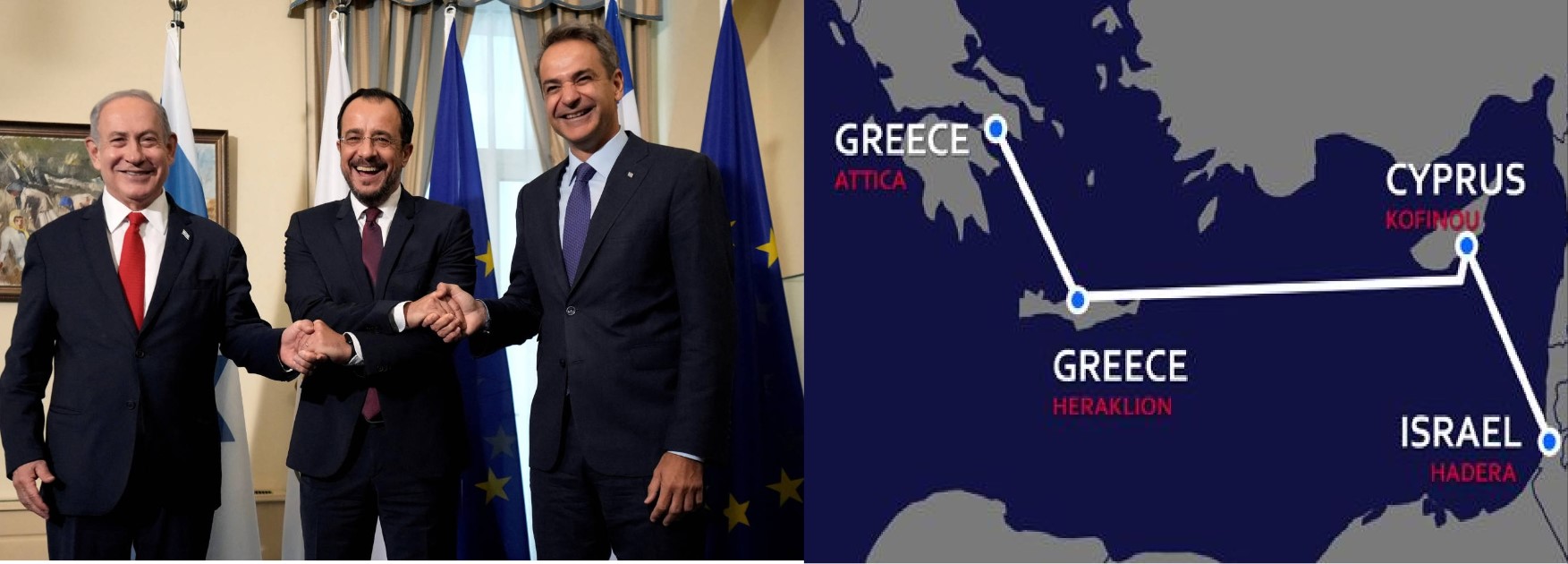
The debate over a rapid-response force unfolded alongside the 10th Trilateral Summit in Jerusalem on December 22, 2025, where Israeli Prime Minister Benjamin Netanyahu, Greek Prime Minister Kyriakos Mitsotakis and Cypriot President Nikos Christodoulides signed a joint declaration committing to deepen cooperation on security, defense and military matters, while emphasizing maritime security and the protection of critical infrastructure and sea lanes.
At the same summit, the leaders highlighted connectivity projects with strategic implications, including plans to advance an undersea power cable linking their electricity grids—an initiative repeatedly framed as both an economic and geopolitical anchor for the partnership.
Turkey and Turkish Cypriot Reaction: “Escalation” Warnings
The reported force concept has drawn sharp criticism from the Turkish Cypriot administration in northern Cyprus. Turkish Republic of Northern Cyprus (TRNC) Prime Minister Ünal Üstel warned that proposals for a 2,500-strong “rapid intervention force”, presented as deterrence against Türkiye and Turkish Cypriots, would constitute a dangerous escalation and a threat to regional peace, according to Turkish media coverage.
Separately, Turkish media reports also referenced Ankara’s position that the trilateral initiative should not be treated as a direct military threat, reflecting a parallel messaging track aimed at downplaying the immediacy of the move while still contesting its intent.
Why Now: Energy, Deterrence and a Tightening Israel–Greece Defense Axis
The rapid-response proposal is landing in a region already crowded with overlapping disputes over exclusive economic zones (EEZs), gas exploration, and maritime boundaries, where Greece and Turkey—both NATO members—have long clashed over airspace and sea claims.
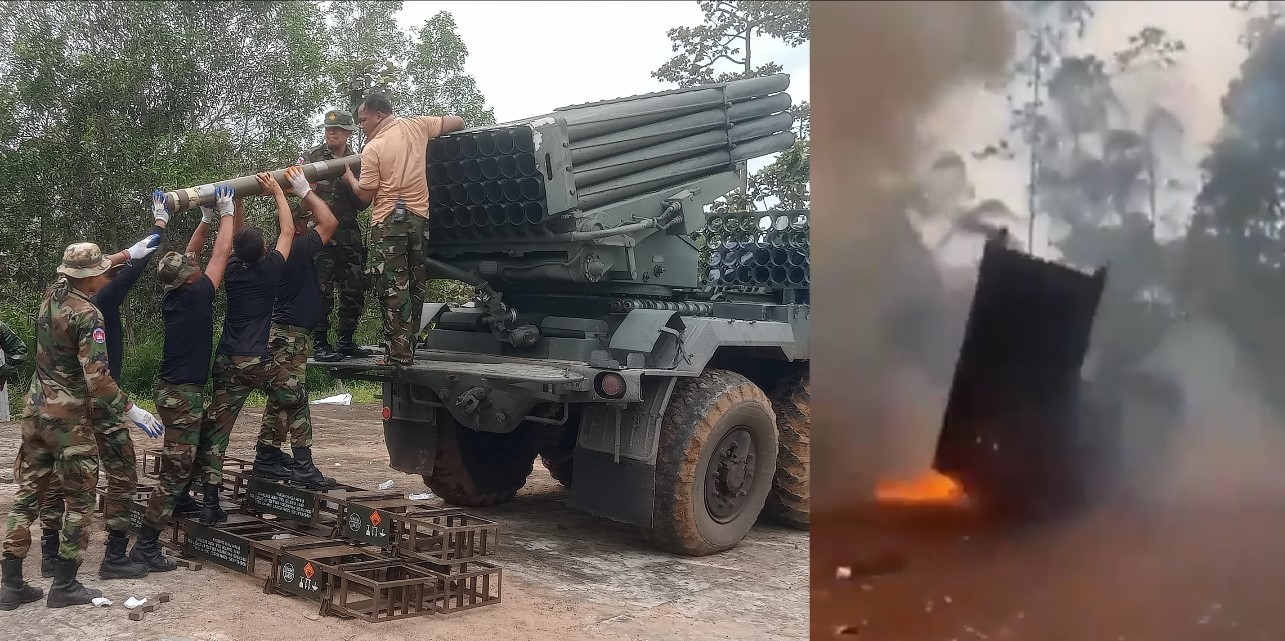
It also comes as Israel and Greece deepen defense ties through procurement and joint training. Earlier this month, Reuters reported that Greece’s parliament approved the purchase of 36 PULS rocket artillery systems from Israel for about €650 million, part of a broader military modernization program worth roughly €28 billion by 2036, as Athens seeks to bolster deterrence along its borders and islands.
What Happens Next
For now, the “rapid response force” remains a reported concept—high-profile enough to trigger public denials and regional backlash, but still short of an official trilateral announcement. The most concrete, on-record outcomes remain the Jerusalem joint declaration, expanded coordination on maritime security, and renewed momentum behind shared energy and infrastructure projects that the three governments say can anchor stability in the Eastern Mediterranean.
✍️ This article is written by the team of The Defense News.