Israel Finalizes Multi-Billion-Dollar Deal with Rafael to Boost Iron Dome Interceptor Production
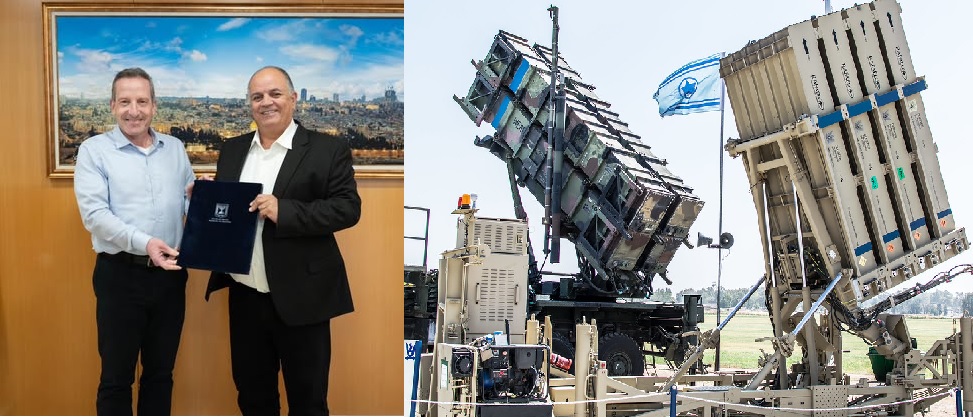
Israel’s Ministry of Defense has signed a major multi-billion-dollar contract with Rafael Advanced Defense Systems to increase production of Iron Dome interceptors, securing fresh stockpiles for the Israel Defense Forces (IDF) amid ongoing regional threats. Officials described the agreement as the result of “comprehensive negotiations” involving both Israeli and U.S. defense authorities.
Deal Backed by U.S. Aid Package
The new order is funded through the $8.7 billion U.S. aid package approved by Congress in April 2024, which includes $5.2 billion specifically earmarked for boosting Israel’s air-defense layers—Iron Dome, David’s Sling, and the Laser Defense System currently in final testing.
This funding ensures that Rafael can maintain continuous, high-volume production of Tamir interceptors, the missiles fired by Iron Dome batteries to stop rockets, drones, and other short-range threats.
Signing Ceremony Signals Strategic Priority
The procurement order was signed by Maj. Gen. (Res.) Amir Baram, Director General of the Israel Ministry of Defense, during a ceremony chaired by Defense Minister Israel Katz.
Senior U.S. and Israeli officials attended, including:
-
Brig. Gen. (Res.) Dr. Daniel Gold, Head of DDR&D
-
Maj. Gen. Aaron Drake, U.S. Defense Attaché
-
Brig. Gen. (Res.) Nir Halamish, Rafael’s Executive VP for Marketing
-
Shlomo Toaff, Senior VP and Head of Air Defense Systems at Rafael
-
Other top IMOD, legal, and financial representatives
Defense officials from both countries participated in the negotiations—particularly teams from the Israel Missile Defense Organization (IMDO) and the U.S. Missile Defense Agency (MDA).
What the Deal Means
In simple terms, this contract ensures that:
-
Israel’s Iron Dome system will have a much larger supply of interceptors—crucial for defending against large-scale rocket barrages.
-
Production will run continuously, preventing shortages during emergencies.
-
The U.S.–Israel defense partnership deepens, especially in missile-defense technology and manufacturing.
-
Israel strengthens its multi-layered air-defense network, preparing for both current and future threats.
Why It Matters Now
The Iron Dome has been one of Israel’s most reliable defense tools since its first deployment in 2011. It has intercepted tens of thousands of rockets, missiles, and UAVs—often with success rates over 90%, depending on the conflict.
During recent wars, Israel faced unprecedented barrages of rockets and explosive drones, highlighting the need for greater interceptor stockpiles. Large-scale conflicts can consume thousands of interceptors in days, placing significant stress on production.
This new deal ensures that Israel can replenish and expand its reserves, preventing vulnerabilities during prolonged fighting.
Role of Industry and International Cooperation
Rafael Advanced Defense Systems remains the prime contractor, working with:
-
ELTA Systems (IAI) – radar and detection technologies
-
mPrest – command and control software
-
The U.S. MDA – co-production and joint development of components
Part of Iron Dome’s interceptor production takes place in the United States, enabling faster manufacturing and ensuring American industry benefits from the partnership.
Strengthening the Multi-Layered Shield
The finalized agreement fits into Israel’s broader strategy to maintain a multi-layered air defense network, which includes:
-
Iron Dome – short to medium-range rockets and drones
-
David’s Sling – medium to long-range missiles
-
Arrow-2 and Arrow-3 – long-range ballistic missiles
-
Laser Defense System (Iron Beam) – a high-energy laser nearing operational readiness
This network is designed so that no single threat can overwhelm Israel’s defenses.
A Strategic Signal
By sealing this contract now, Israel is sending a message of long-term preparedness. With regional tensions involving Gaza, Lebanon, Syria, and Iran, ensuring sustained interceptor production becomes not just a military necessity but a strategic reassurance for the Israeli public and its allies.
The new multi-billion-dollar Iron Dome production deal marks one of the most significant defense investments Israel has made in recent years. Backed by U.S. funding and developed through intense bilateral cooperation, the agreement guarantees that Israel’s most relied-upon air-defense system remains fully supplied, fully active, and ready for any future challenge.
About the Author
Aditya Kumar:
Defense & Geopolitics Analyst
Aditya Kumar tracks military developments in South Asia, specializing in Indian missile technology and naval strategy.