Israel Destroys Turkish-Supplied Air Defence Systems in Syria’s Hama Air Strike
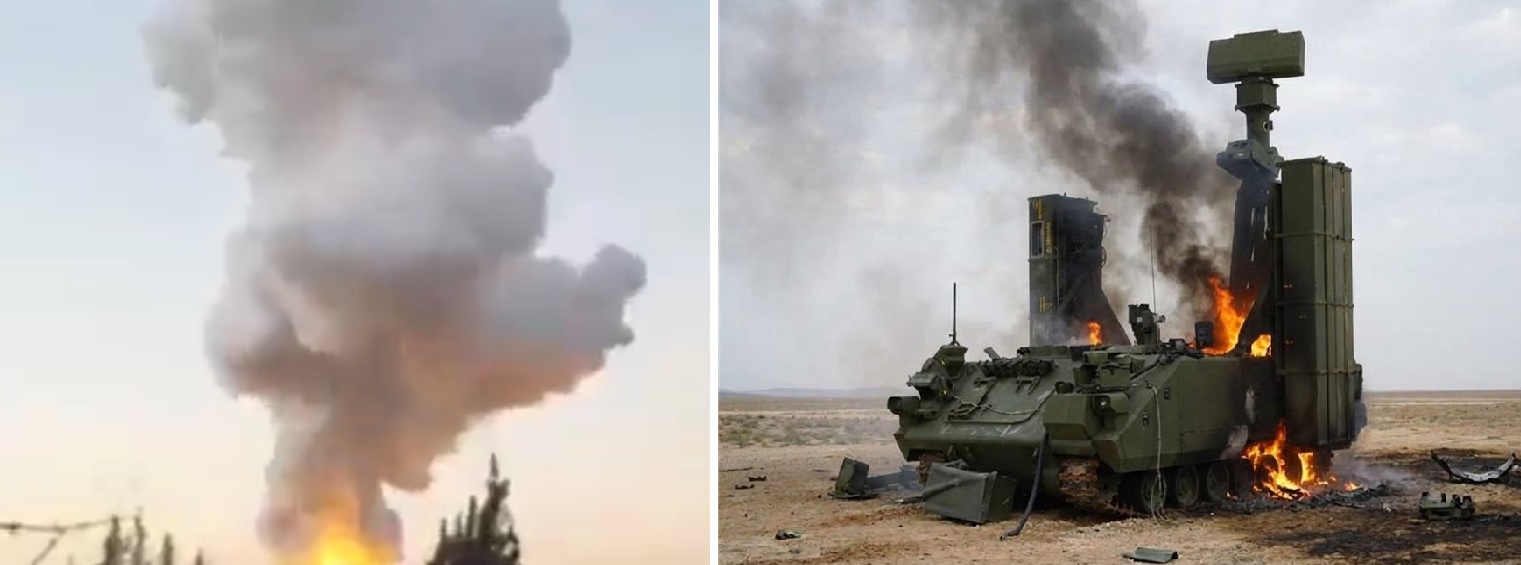
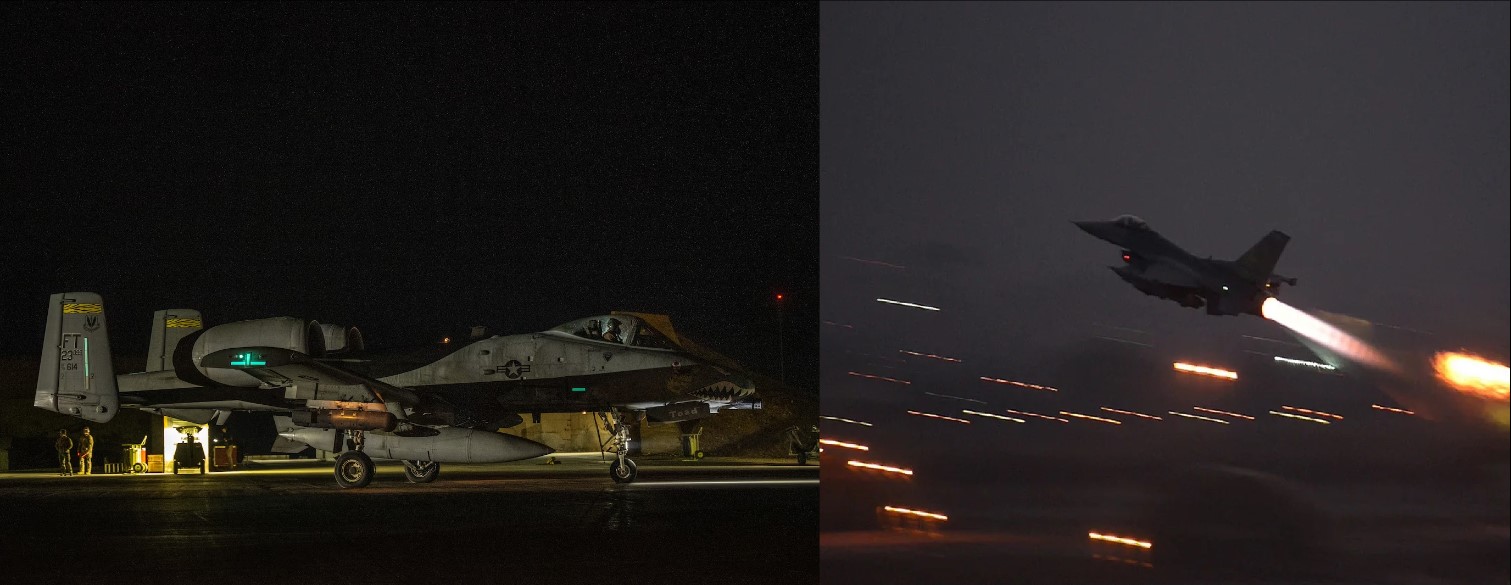
The Israel Air Force (IAF) carried out a series of precision air strikes in central Syria, targeting military facilities in and around the city of Hama, regional sources said on Tuesday. According to Israeli and Middle Eastern security officials, the operation destroyed a batch of newly delivered Turkish-made weapons, including short-range air defence systems reportedly supplied to Syria’s new security apparatus.
Syrian state media confirmed that multiple sites in Hama province were struck overnight, acknowledging material damage without identifying the equipment hit. Israel has not issued an official statement, in line with its long-standing policy of strategic ambiguity, but Israeli security sources said the strike was intended to prevent advanced air defence capabilities from becoming operational.
Turkish military supplies under focus
The targeted weapons are believed to have been supplied by Turkey, which has recently expanded its defence and security cooperation with Syria following the rise of a new jihadist-led governing structure in Damascus. Ankara has publicly confirmed military cooperation, including training and equipment support, but has stopped short of disclosing the exact systems delivered.
Regional defence analysts say the systems reportedly destroyed in Hama align with Turkey’s indigenous short-range air defence portfolio, designed to protect military bases, depots and infrastructure from low-altitude threats such as drones, helicopters and strike aircraft.
Air defence systems reportedly destroyed
According to multiple regional defence sources, the primary system believed to have been targeted is the HİSAR-A+ short-range surface-to-air missile system, developed jointly by Roketsan and Aselsan.
The HİSAR-A+ is designed for low- and medium-altitude air defence and is considered a key component of Turkey’s layered air defence doctrine.
Key specifications include:
-
Engagement range: up to 15 kilometres
-
Engagement altitude: approximately 5–8 kilometres
-
Guidance: inertial navigation with data-link, transitioning to an infrared imaging seeker in the terminal phase
-
Launch method: vertical launch system
-
Mobility: mounted on a tracked armoured platform with integrated radar and electro-optical sensors
Defence analysts also assess that elements of the KORKUT self-propelled air defence system may have been present at the struck site. KORKUT, another Turkish-developed system, provides very-short-range air defence using twin 35-millimetre automatic cannons.
The KORKUT system is optimised to counter drones, helicopters and low-flying aircraft, with an effective engagement range of around four kilometres. It fires air-burst and high-explosive ammunition, making it particularly effective against unmanned aerial systems.
Strategic and regional implications
If confirmed, the destruction of Turkish-supplied air defence systems underscores Israel’s determination to prevent any shift in the air defence balance in Syria. Israeli officials have repeatedly stated that they will act against the deployment of weapons that could limit Israel’s freedom of aerial operations.
Military experts note that while short-range air defence systems do not alter strategic parity, they can significantly increase operational risk, especially for low-altitude reconnaissance and strike missions. Their deployment in central Syria would have represented a notable enhancement of local defensive capabilities.
Limited verification, rising tensions
At present, there is no satellite imagery confirming the exact systems destroyed in Hama, and neither Ankara nor Damascus has acknowledged the loss of Turkish-manufactured air defence equipment. The claims rely primarily on Israeli security sources and regional media reporting.
Nevertheless, the strike fits a well-established pattern of Israeli pre-emptive operations in Syria, aimed at neutralising emerging military threats. With Turkey increasing its influence in shaping Syria’s evolving security landscape, the incident highlights the growing complexity of regional power dynamics and the potential for further escalation.
Outlook
Further clarity is expected to depend on satellite imagery, on-site evidence, or official disclosures by the parties involved. Until then, the Hama air strike stands as a clear signal that Israel remains prepared to act decisively against any perceived threat to its air superiority, even as regional alliances and rivalries continue to shift.
✍️ This article is written by the team of The Defense News.