Iranian Rocket Hits Tel Aviv with Cluster Munitions: Israel Confirms Use in Breach of Global Norms
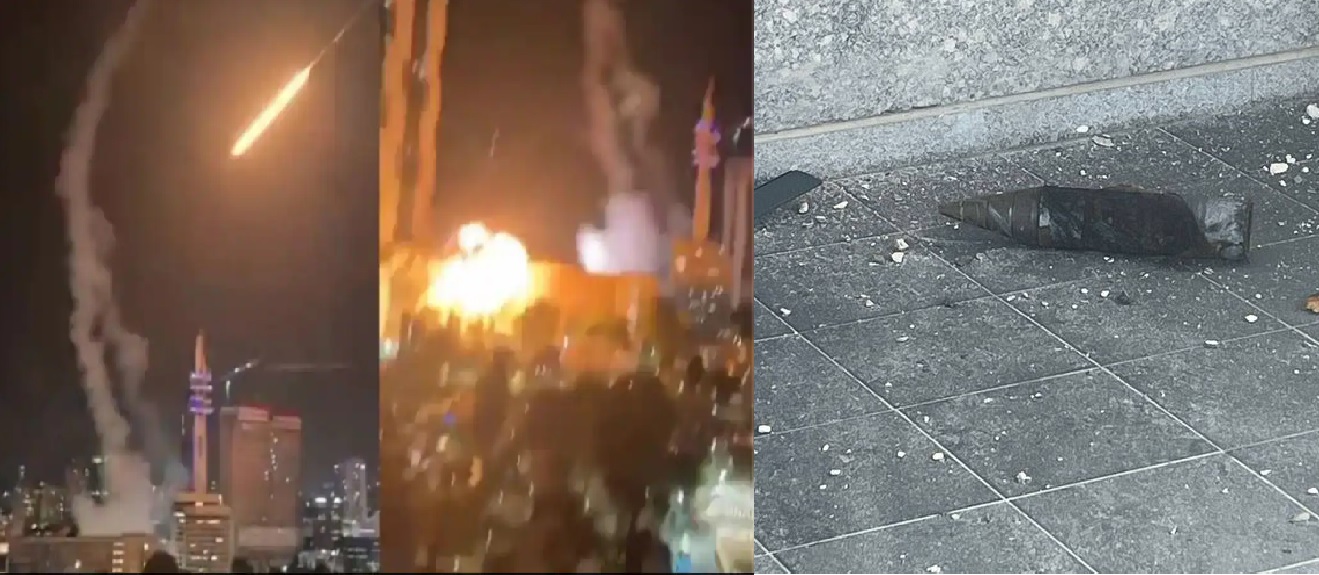
In a significant escalation of hostilities in the Middle East, Israel's Home Front Command confirmed that a rocket which struck Tel Aviv early this morning carried cluster munitions, marking the first known use of such weapons against an Israeli city in this ongoing conflict.
According to Israeli military officials, the rocket exploded at an altitude of approximately 7 kilometers, dispersing 20 bomblets over an area spanning roughly 8 kilometers. The bomblets scattered across several districts of the Tel Aviv metropolitan region, causing damage to infrastructure and lightly injuring a number of civilians. Emergency services responded swiftly, cordoning off affected zones and warning residents to avoid handling any unexploded submunitions.
Implications: Iran’s Role Suspected
While no official claim of responsibility has been made, Israeli defense sources and international intelligence assessments strongly indicate that the rocket originated from Iranian-backed forces, possibly launched either directly from Iran or via proxy groups in Lebanon, Syria, or even Iraq. The use of such a sophisticated weapon — capable of delivering multiple explosive submunitions at high altitude — suggests a new phase of Iran’s missile warfare strategy against Israel.
The Israeli Air Force has reportedly been placed on high alert, and retaliatory measures are under active consideration by the Israeli Security Cabinet. "This was not a conventional missile. The use of cluster warheads is a game-changer. It demonstrates intent to cause wide-area civilian harm," a senior IDF official told local media.
What Are Cluster Munitions?
Cluster munitions are weapons designed to release smaller explosive submunitions (commonly called bomblets) over a wide area. Rather than a single impact point like a traditional warhead, cluster bombs maximize area damage by dispersing dozens, sometimes hundreds, of these bomblets, many of which can remain unexploded and pose a threat for days, months, or even years.
This makes them particularly controversial and dangerous in urban environments, where civilians are often caught in the blast radius, and unexploded submunitions pose a long-term risk.
Violation of International Norms
The use of cluster munitions has been condemned globally due to their indiscriminate nature. The Convention on Cluster Munitions (CCM), adopted in 2008 and entered into force in 2010, prohibits all use, production, transfer, and stockpiling of these weapons. It also obliges states to clear contaminated areas and assist victims.
To date, 123 countries are signatories to the convention, including many NATO members and U.S. allies. However, Iran, Israel, the United States, Russia, and China are not parties to the treaty, meaning they are not legally bound by its terms. Nevertheless, their use is still widely condemned under customary international humanitarian law, which prohibits indiscriminate attacks on civilian populations.
"This incident should serve as a wake-up call," said Mary Wareham of Human Rights Watch. "Using cluster munitions in civilian areas should be off-limits for any nation or group, regardless of their treaty obligations."
Rising Tensions: A Regional Flashpoint
This comes amid weeks of rising tensions across the region. Iranian and Israeli forces have already exchanged limited cross-border fire and cyberattacks. But the use of cluster munitions marks an unprecedented escalation, crossing a psychological and tactical red line.
Israeli officials are reportedly considering bringing the case to the United Nations Security Council, even though such actions are likely to be vetoed by Russia or China. Meanwhile, European nations and the United States are expected to issue strong condemnations and possibly push for new sanctions if Iran’s direct involvement is confirmed.
The confirmed use of cluster munitions over Tel Aviv has added a dangerous new dimension to the Iran-Israel conflict. Beyond the immediate physical damage and humanitarian concern, it sets a worrying precedent — that weapons designed to cause widespread and indiscriminate harm are now being used in densely populated cities. With both regional and global implications, the world is watching closely as the stakes continue to rise in the Middle East.
✍️ This article is written by the team of The Defense News.