Iran to Bolster Syria with Missiles, Drones, and Advisers Amid Rebel Gains

In a calculated escalation of support, Iran is preparing to send advanced military equipment, including missiles and drones, to Syria, along with increasing its military advisory presence. This decision comes as Syrian President Bashar al-Assad faces intensified challenges from anti-Assad rebels who recently made their most significant gains in over a decade of civil war. A senior Iranian official disclosed these plans, emphasizing Tehran's unwavering commitment to safeguarding its ally and maintaining influence in the region.
The senior official, speaking anonymously, noted that Iran has already begun enhancing its intelligence and satellite support for Assad's regime. This move underscores the strategic importance of Syria in Iran's broader "Axis of Resistance" — a coalition designed to counterbalance the influence of Israel and the United States in the Middle East.
A Critical Alliance Tested by Regional Challenges
For Iran, Assad's survival is pivotal. Syria serves as a key link in Tehran’s network of regional influence, enabling access to Hezbollah in Lebanon and bolstering its ability to project power across the Levant. Over the years, Iran, alongside Russia, has provided Assad with both military and economic lifelines. However, recent developments have strained this alliance. Hezbollah, Iran’s most formidable proxy, has sustained heavy losses in its ongoing conflict with Israel, weakening its ability to support Assad on the Syrian front.
Despite these setbacks, Tehran remains resolute. “Iran and Syria are united in preventing rebels from advancing toward major cities,” the official explained. While Syria has not yet requested Iranian ground forces, the current strategy focuses on intensified airstrikes by Syrian and Russian forces, supplemented by Iranian military intelligence.
Strategic Diplomacy Amid Rising Tensions
In response to the rebel advances, Iran is also ramping up its diplomatic efforts. High-level meetings are being convened to address the crisis. The foreign ministers of Iran, Turkey, and Russia are set to meet in Doha to discuss Syria’s future and the implications of the rebel resurgence. Notably, Turkey, a NATO member that supports the opposition to Assad, has been urged by Tehran to avoid aligning with U.S. and Israeli interests.
Additionally, Iranian Foreign Minister Abbas Araqchi plans to meet with his Iraqi and Syrian counterparts in Baghdad. These discussions are expected to explore joint defense initiatives involving resistance groups and regular armies, signaling Iran's intent to deepen its military collaboration in the region.
Advanced Weaponry and Expanded Presence
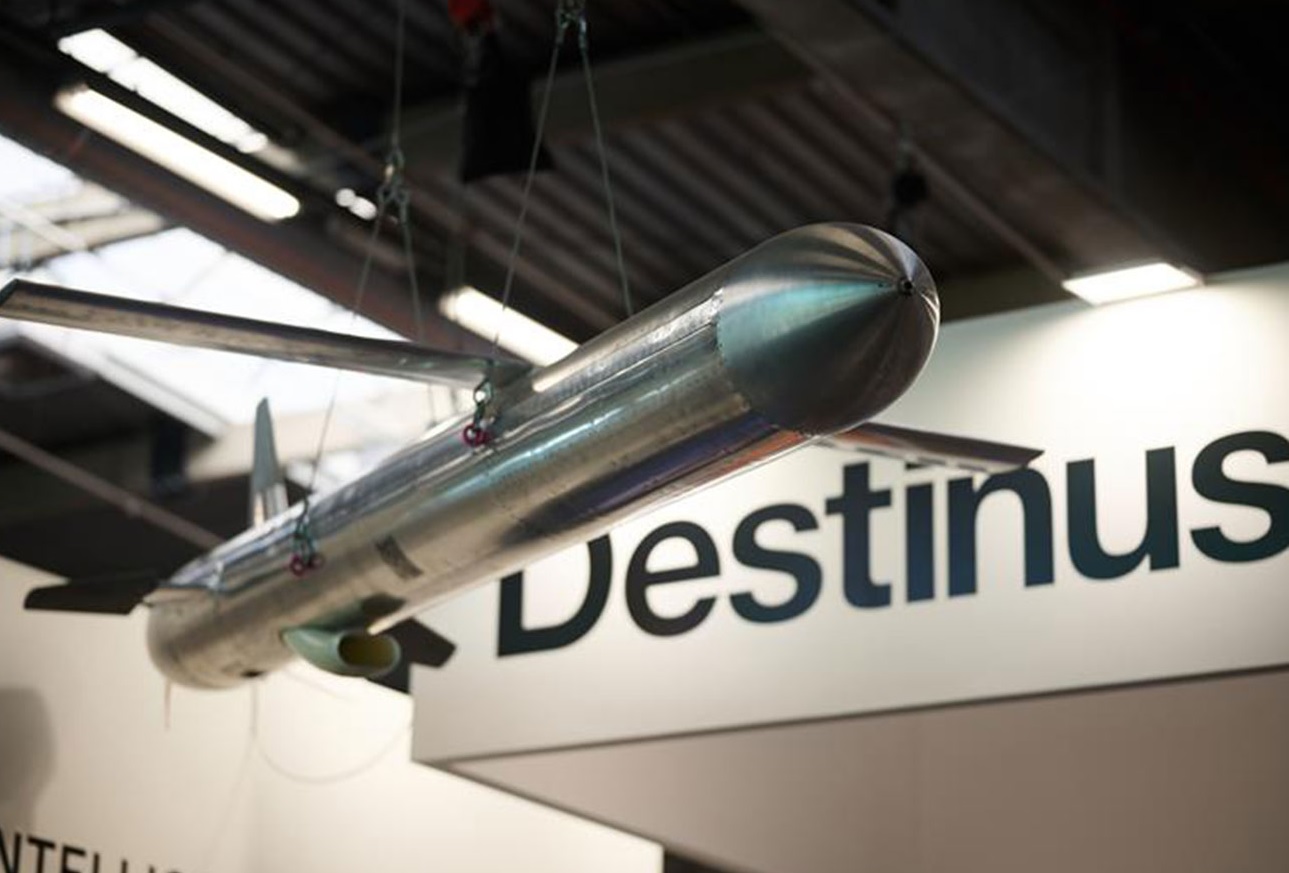
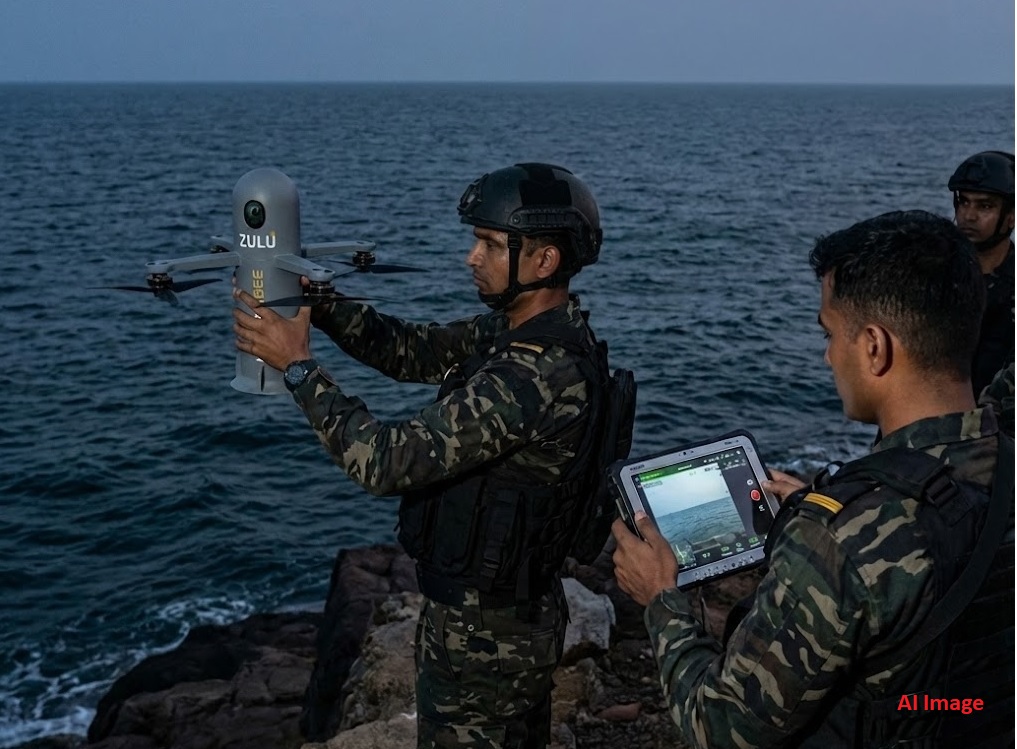
Iran’s decision to deploy drones and missiles marks a significant escalation in its involvement in Syria. Drones have become a cornerstone of Iran's military strategy, offering both surveillance and strike capabilities. Coupled with precision-guided missiles, these systems could bolster Assad’s ability to counter rebel advances and regain lost ground. The addition of more Iranian military advisers will likely enhance the effectiveness of these efforts, providing tactical guidance and operational expertise.
This buildup reflects Tehran's belief that its adversaries — particularly Israel and the United States — are working to weaken its regional allies. By doubling down on its support for Assad, Iran aims to counter this perceived threat and maintain its strategic foothold in Syria.
Broader Implications for the Region
Iran's actions in Syria are part of a larger strategy to project power and resist external pressures. The involvement of regional players like Turkey and Iraq, along with global powers such as Russia and the United States, underscores the complexity of the Syrian conflict. As Tehran expands its military and diplomatic efforts, the situation in Syria remains a flashpoint with far-reaching implications for the Middle East.
With the conflict entering a critical phase, Iran’s commitment to Assad underscores the high stakes involved. The coming weeks will reveal whether Tehran’s increased support can tip the balance in favor of its embattled ally, or if it will further entangle the region in a protracted and costly confrontation.
✍️ This article is written by the team of The Defense News.