Iran Unveils 'Gaza' Super-Heavy Drone with 1,000 km Strike Range
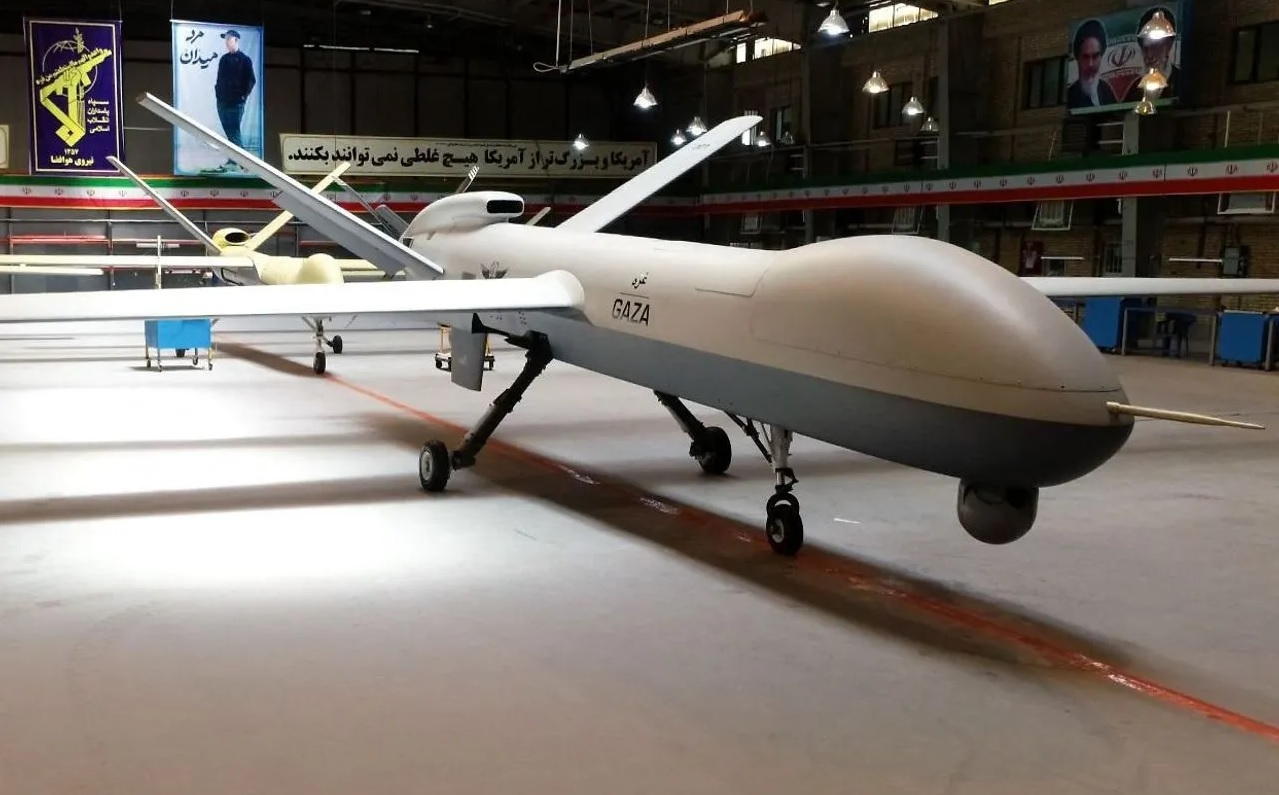
Iran has introduced its latest unmanned combat aerial vehicle (UCAV), the Shahed-149, also known as "Gaza," during the "Great Prophet Authority" military exercise conducted by the Islamic Revolutionary Guard Corps (IRGC). This advanced drone is designed to enhance Iran's aerial capabilities, particularly in long-range reconnaissance and precision strike missions.
Key Specifications:
-
Dimensions and Weight: The Gaza drone features a wingspan of 22 meters and a takeoff weight of 3,100 kilograms.
-
Performance: It can reach speeds up to 350 kilometers per hour and operate at altitudes exceeding 10,500 meters. The drone boasts a flight endurance of up to 35 hours, allowing for extended missions.
-
Payload Capacity: With a payload capacity of 500 kilograms, the Shahed-149 can carry up to 13 Sadid-345 precision-guided glide bombs, enabling it to conduct accurate strikes within a 1,000-kilometer radius.
Operational Capabilities:
Beyond its combat role, the Gaza drone is equipped for surveillance, reconnaissance, and logistics operations. During the military exercise, it successfully engaged and destroyed eight simulated enemy targets, demonstrating its precision strike capabilities.
Strategic Implications:
The introduction of the Shahed-149 Gaza drone signifies a significant advancement in Iran's unmanned aerial technology. Its extended range and endurance potentially allow it to reach targets as far as Israel and return without the need for refueling, thereby enhancing Iran's strategic reach in the region.
In summary, the unveiling of the Shahed-149 Gaza drone underscores Iran's commitment to advancing its military technology, particularly in the field of unmanned aerial systems. This development is poised to have substantial implications for regional security dynamics.
About the Author
Aditya Kumar:
Defense & Geopolitics Analyst
Aditya Kumar tracks military developments in South Asia, specializing in Indian missile technology and naval strategy.