Iran Signals Readiness for 'Fair' Nuclear Talks — But Says Western Goodwill Is the Key
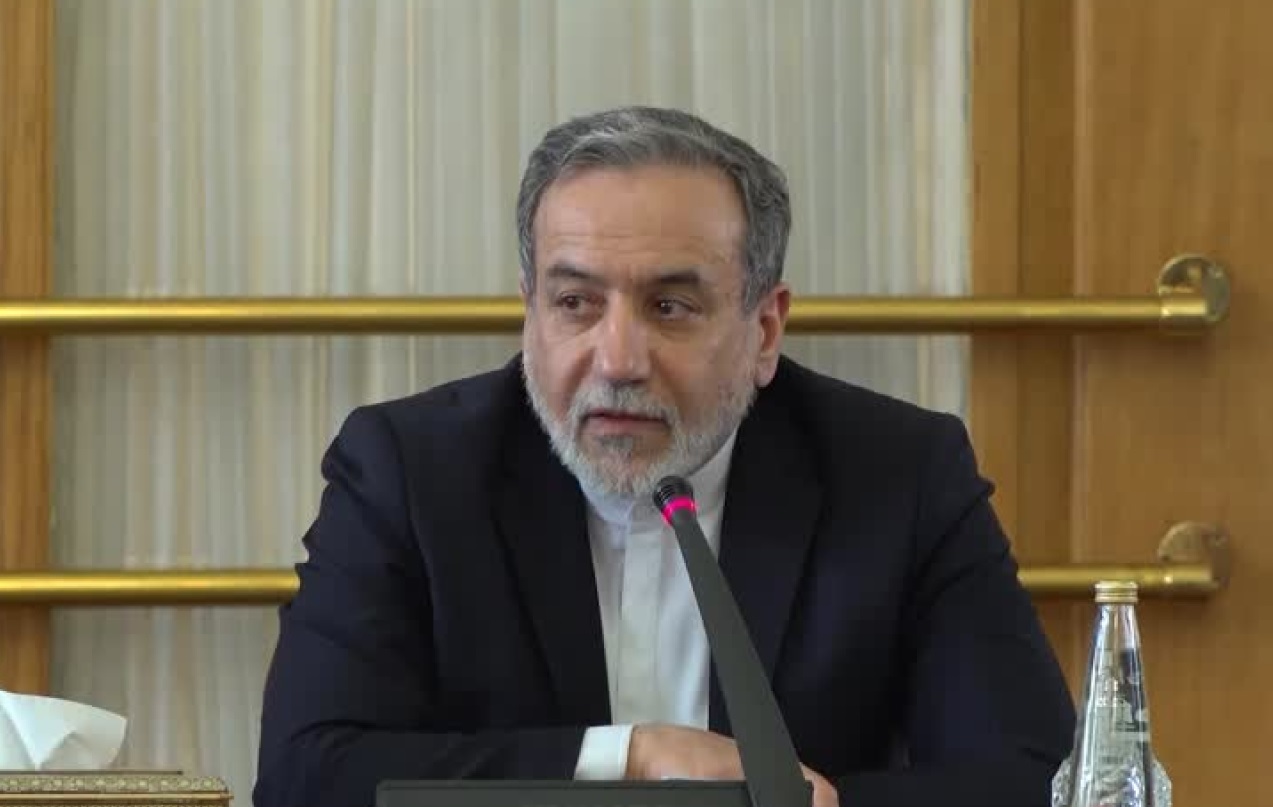
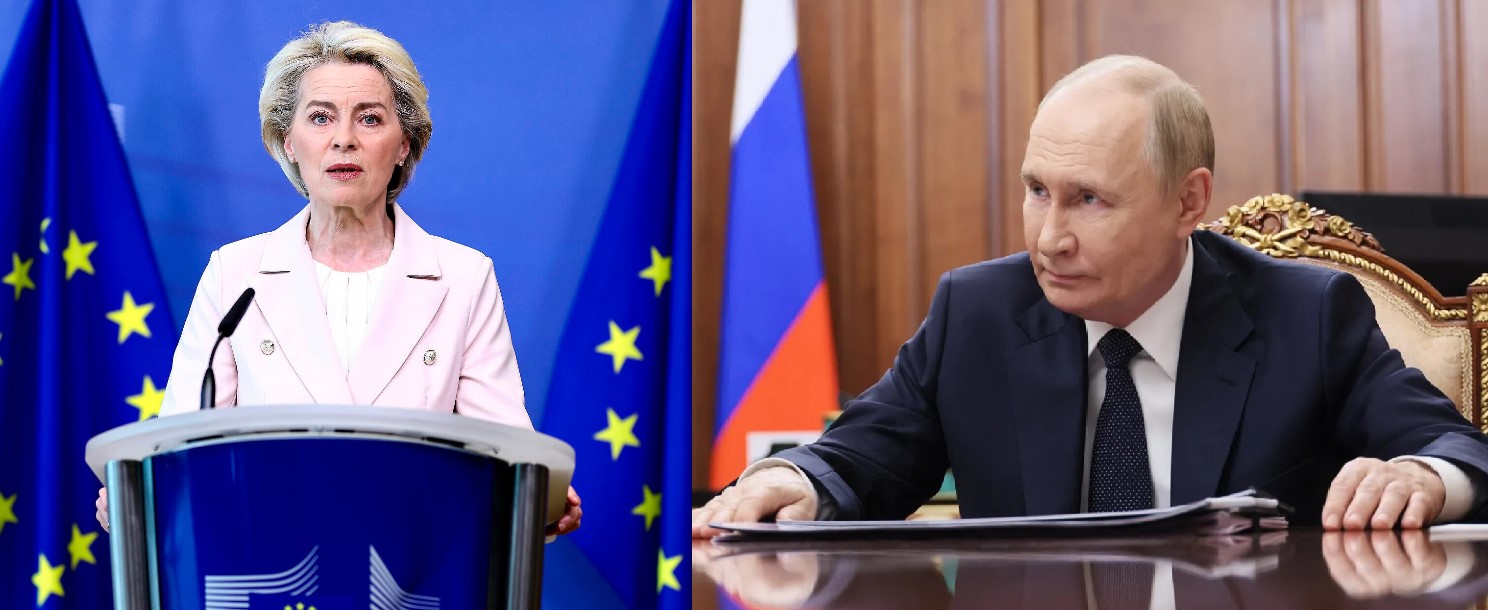
Iranian Foreign Minister Abbas Araghchi has declared that Tehran is ready to resume “fair” negotiations over its nuclear program, but only if Western countries demonstrate genuine goodwill and seriousness in the process. His statement came in a letter to the European Union’s foreign policy chief, at a time when the standoff between Iran and Western powers is intensifying.
Sanctions Snapback and Rising Pressure
Just as Araghchi’s remarks were made public, Britain, France, and Germany announced that they had triggered the UN snapback mechanism, effectively reinstating global sanctions on Iran within 30 days unless Tehran complies with nuclear obligations. These measures include restrictions on arms transfers, financial dealings, and missile-related activities.
Iran condemned the move, calling it “illegal and unjustified.” European nations, however, argue that Tehran has been enriching uranium far beyond the limits agreed under the 2015 Joint Comprehensive Plan of Action (JCPOA) and has restricted international inspectors’ access to critical sites.
Inspectors Back in Iran, But Cooperation Limited
Earlier this month, the UN nuclear watchdog was allowed to return to Iran for the first time since inspections were suspended after Israeli airstrikes in June. Inspectors were able to perform urgent tasks such as maintenance at the Bushehr nuclear power plant, but a broader deal on inspections has yet to be reached. Tehran insists that any expanded access must be approved by its Supreme National Security Council.
Iran’s Conditions for Engagement
Araghchi emphasized that while Iran is open to resuming talks, the West must first prove its sincerity. According to him, negotiations can only succeed if:
-
Western powers show goodwill and avoid hostile measures.
-
Sanctions are rolled back instead of escalated.
-
The talks remain fair and balanced, without attempts to impose unilateral conditions.
This stance echoes earlier remarks by Iranian officials that Tehran could even consider engaging with the United States if provided guarantees against military threats and if negotiations are conducted on equal terms.
Regional and Domestic Pressures
Iran’s position is further shaped by recent challenges:
-
A 12-day conflict with Israel, along with U.S. airstrikes, damaged parts of its nuclear and military infrastructure.
-
Domestically, economic struggles and public frustration over sanctions and governance are mounting, pushing the government to balance hardline positions with the need for economic relief.
What Lies Ahead
The next 30 days will be crucial. If diplomacy fails, the full weight of UN sanctions will return, deepening Iran’s isolation. On the other hand, a renewed negotiation track could revive hopes of stabilizing the nuclear issue, but only if both sides are willing to compromise.
For now, Iran has made its position clear: the door to negotiations is open, but only if the West takes the first step with goodwill.
✍️ This article is written by the team of The Defense News.