Invisible Hammer: How the U.S. Tested Leonidas — a Microwave Weapon That Zapped 49 Drones at Once
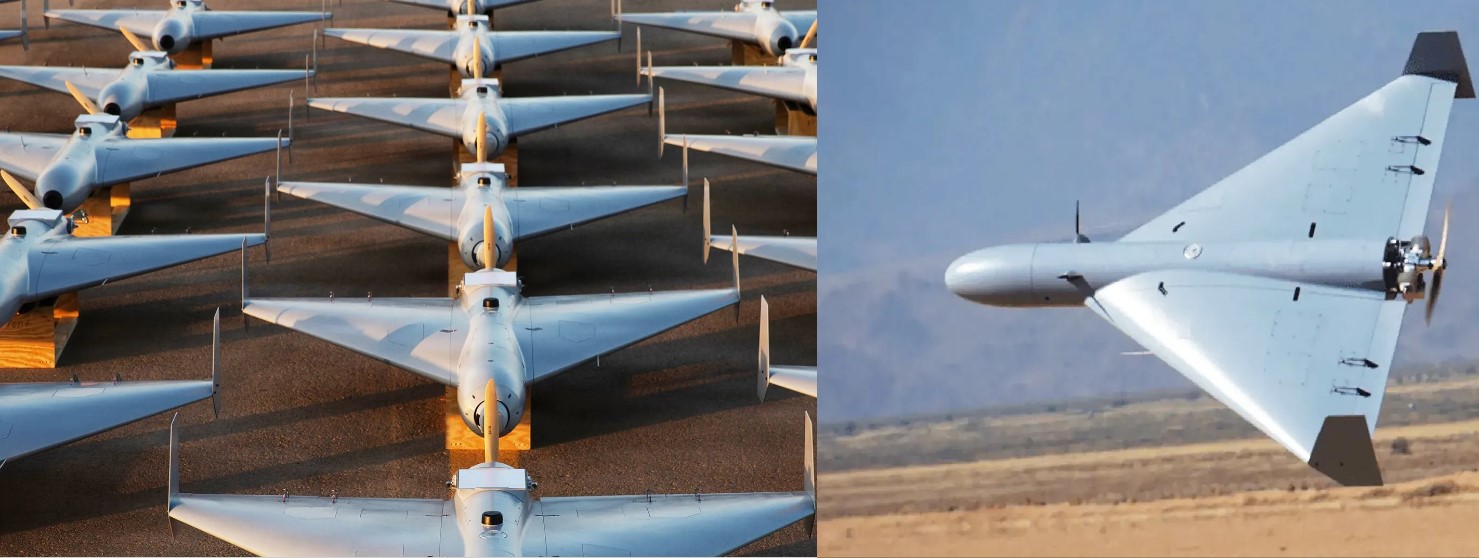
A quiet field outside Indianapolis briefly looked like the future of air defense: dozens of quadcopters climbing, hovering, then dropping from the sky — not with smoke or shrapnel, but as if an invisible hand had flipped a switch. The demonstration, staged at Camp Atterbury by California firm Epirus and observed by U.S. military officials and foreign partners, culminated with the company’s Leonidas high-power microwave (HPM) system disabling a swarm of 49 drones in a single pulse, a result Epirus and attendees described as unprecedented.
Leonidas and the Idea Behind It
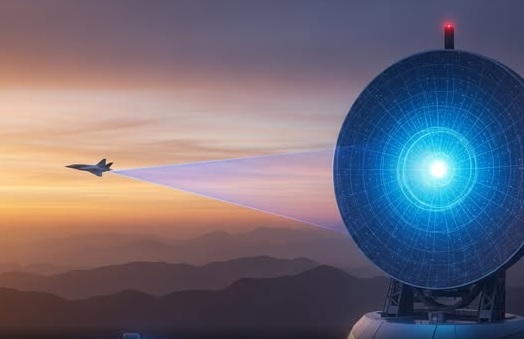
Leonidas is part of a new generation of directed-energy weapons designed to address a pressing battlefield challenge: cheap drones versus expensive interceptors. Instead of destroying targets physically, HPM systems unleash concentrated electromagnetic energy that overloads and disables drone electronics — flight controllers, communication links, navigation modules — forcing them to crash or power down.
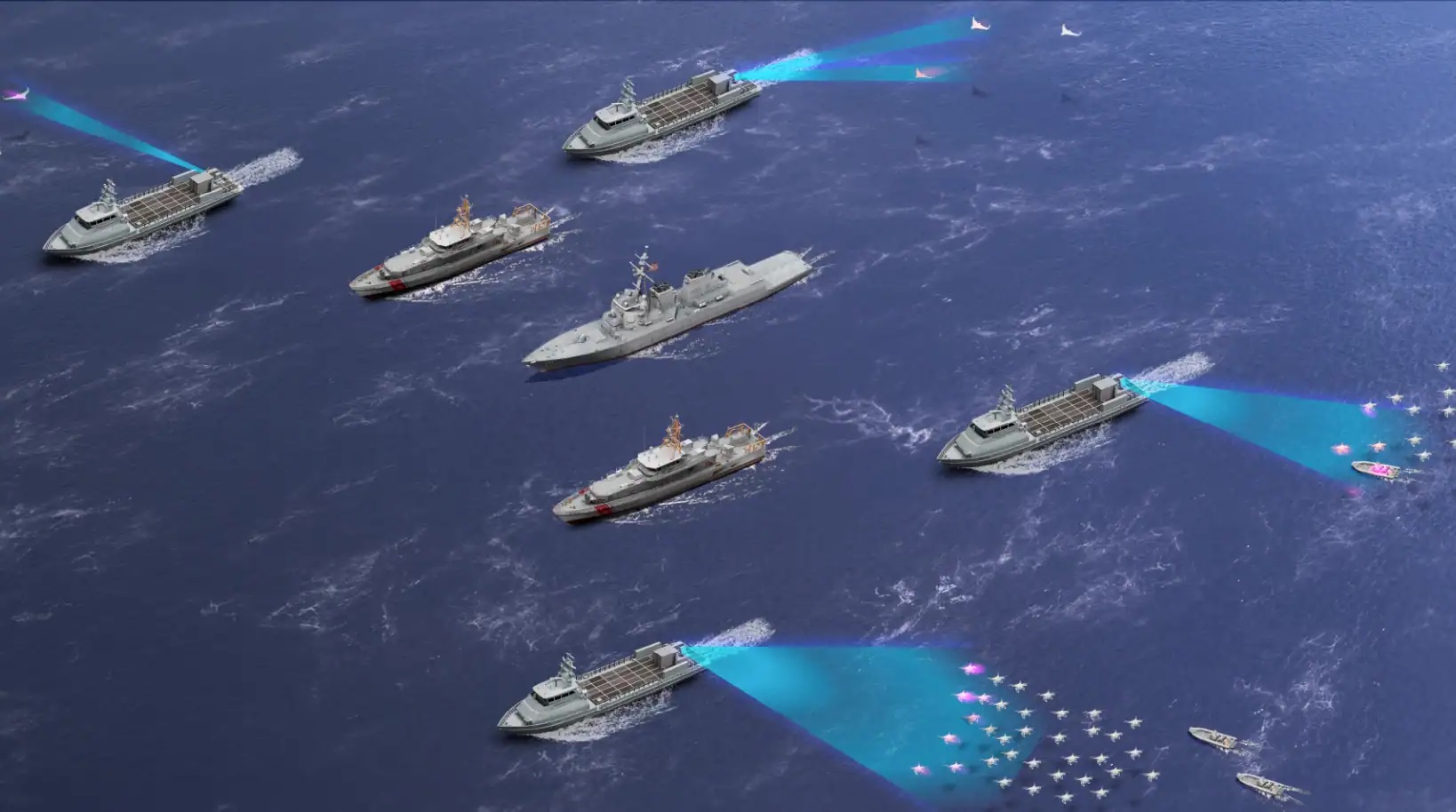
Epirus markets Leonidas as a solid-state, Gallium Nitride (GaN)-based platform that can be scaled into vehicle-mounted systems, pods, or fixed-site defenses. In theory, this creates a protective electromagnetic shield capable of defending bases or units from massed swarms of aerial or surface unmanned threats.
What Happened at Camp Atterbury
Observers described a two-hour live demonstration, during which Leonidas engaged multiple drone scenarios before concluding with the dramatic 49-drone strike — the largest grouping the system has been shown against publicly. Epirus’ leadership called it a “singularity event,” underscoring its significance in counter-drone technology. The system performed across varied tactical conditions, demonstrating flexibility and sustained power delivery over time.
The event followed earlier U.S. Army programs and trials that had already tested and fielded prototype versions of Leonidas. The Army, Marine Corps, and other branches have been actively searching for low-cost, high-capacity counter-drone solutions to complement missile defenses and kinetic interceptors.
Why High-Power Microwaves Are Attractive
HPM weapons hold a key advantage: low cost per shot compared to missiles, the ability to affect multiple drones simultaneously, and rapid-fire capabilities not limited by ammunition stocks. Unlike lasers, they are less hindered by weather conditions like smoke or dust.
However, they come with challenges. Ensuring enough energy couples into diverse electronics is difficult, as drones may vary in shielding and design. There is also a risk of collateral electronic disruption, potentially affecting friendly systems, civilian infrastructure, or nearby sensitive facilities. Military planners must also navigate electromagnetic spectrum management and legal frameworks governing use in civilian areas.
China’s “Hurricane” and Global Competition
The U.S. is not alone in pursuing this technology. China has already displayed its own high-powered microwave system, referred to in some reports as “Hurricane.” Showcased at defense exhibitions, this system reportedly uses repeatable electromagnetic pulses to disable swarms of drones and has been tested for endurance and survivability in field conditions.
Other nations, including Russia and several European states, are also exploring directed-energy counter-drone technologies, signaling that the race to master HPM is now global.
The Road Ahead
If systems like Leonidas prove reliable under rigorous conditions, the U.S. military may deploy vehicle-mounted variants for frontline units, fixed installations to guard airfields, ports, or stadiums, and even integration into layered air defense networks.
At the same time, adversaries will likely invest in drone hardening — shielding electronics, using redundant navigation systems, or launching multi-directional swarms to reduce HPM effectiveness.
A Cautious Future
The Camp Atterbury demonstration was undeniably dramatic, showcasing the potential of invisible electromagnetic weapons to change the nature of drone warfare. Yet, experts caution that a single successful demonstration is only the beginning. True operational success will depend on reproducible results under contested conditions, accurate assessments of range and collateral risk, and robust rules of engagement for when and how such weapons can be deployed.
As the U.S. and China push forward, the question is not whether high-power microwave weapons will enter modern arsenals, but how quickly they will redefine the rules of the drone battlefield.
✍️ This article is written by the team of The Defense News.