Indonesia Eyes Chinese J-10 Fighter Jets as U.S. F-15EX Deal Stalls

Indonesia is reportedly close to acquiring 42 second-hand J-10 fighter jets from China, a move that could mark a major turning point in the country’s defense procurement strategy. The plan, which involves aircraft directly sourced from active squadrons of the People’s Liberation Army Air Force (PLAAF), is seen as a rapid solution to Indonesia’s long-standing need to modernize its aging fighter fleet. This development comes amid limited progress on the long-discussed deal with the United States for the advanced F-15EX Eagle II jets.
The deal with China, if finalized, would see Indonesian Air Force (TNI-AU) pilots trained in China to operate the J-10s, locally known as “Vigorous Dragons.” The fighters, which would be taken out of service from Chinese squadrons, could be delivered quickly due to the absence of production lead times. Indonesia is likely to make an official announcement during the Indo Defence Expo & Forum in June 2025.
The urgency behind this deal stems from Indonesia’s decade-long struggle to replace its retired Northrop F-5 Tiger II jets. Past efforts included plans to purchase Su-35s from Russia, which fell through due to U.S. sanctions threats, and a more recent agreement with France for 42 Rafale F4 jets. So far, 24 Rafales have been ordered in two batches, and deliveries are set to begin in January 2026.
Indonesia also signed a memorandum with Boeing in 2023 for 24 F-15EX aircraft, intended to be locally designated as F-15IDN. That deal, valued at up to $13.9 billion, included significant promises of technology transfer and local production. However, the program has since seen minimal progress, and sources suggest it is now being deprioritized as Jakarta leans more heavily toward Asian partners.
Part of what makes the Chinese offer attractive is its scope. In addition to the J-10 fighters, China has reportedly offered to include warships and other military hardware. Indonesia's Deputy Defense Minister Donny Ermawan Taufanto confirmed the proposal and said the country is evaluating the system’s compatibility, costs, and after-sales support. Interestingly, he noted the J-10 offer predates the recent India–Pakistan conflict, but acknowledged that its reported battlefield success is under consideration.
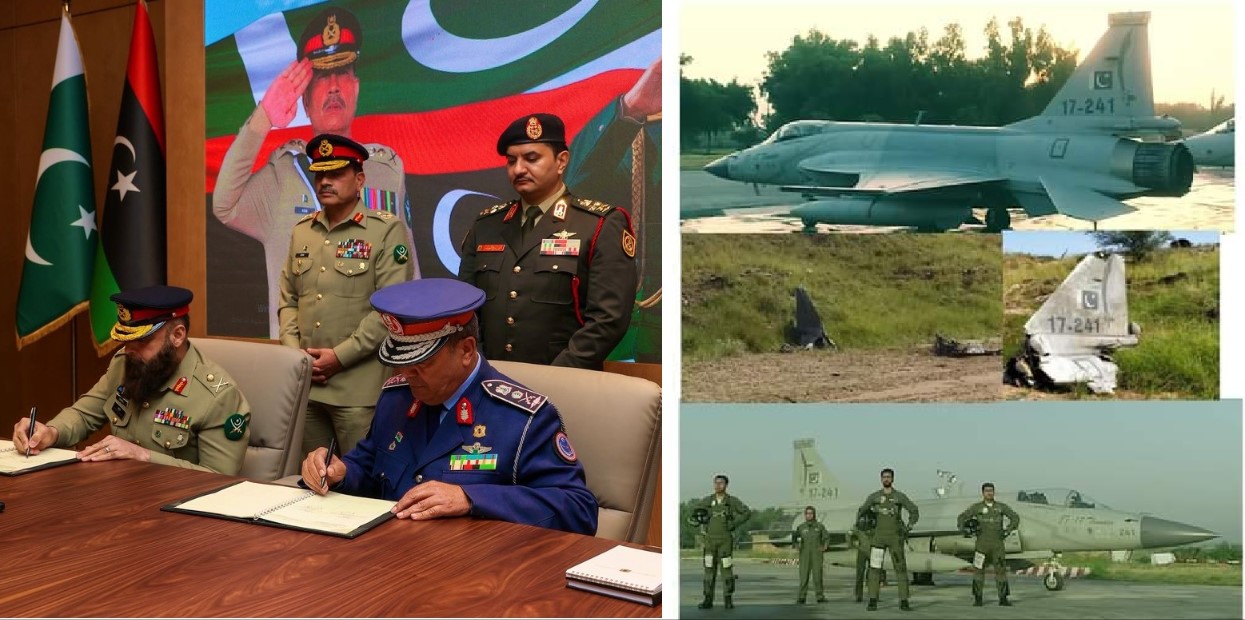
The J-10 has gained newfound attention following May 2025 reports that Pakistan’s J-10C jets shot down multiple Indian aircraft, including Rafales and Su-30MKIs, using PL-15 long-range missiles. Although India has not officially confirmed the losses, several intelligence sources suggested that at least one Rafale might have been downed. This combat debut has become a key selling point for China in its export push, with a similar offer recently made to Colombia.
Indonesia’s growing alignment with China also sets the stage for this procurement shift. The two nations have expanded economic and strategic cooperation in recent years. In 2025, Indonesia joined the BRICS group and received $8.1 billion in Chinese investment. President Prabowo Subianto’s visits to China, both before and after taking office, further underline Jakarta’s desire to strengthen its relationship with Beijing. Chinese Premier Li Qiang’s May visit to Jakarta reinforced these ties, with both sides pledging to build a “community of destiny.”
If finalized, the J-10 acquisition would make Indonesia the only country to operate both the French Rafale and the Chinese J-10. Together, these two types—both canard-delta wing fighters—would give Indonesia a fleet of 66 modern jets. Combined with older aircraft like F-16s, Su-27s, Su-30s, TA-50s, and Hawk 209s, the J-10s would help bridge capability gaps left by the retirement of legacy aircraft. Their fast delivery timeline would also ensure Indonesia maintains operational readiness during fleet transitions.
However, this move toward a multi-source air force raises several challenges. Operating jets from China, France, the U.S., Russia, and South Korea will place a heavy logistical burden on Indonesia’s defense establishment. Each platform requires different training, spare parts, armament systems, and maintenance infrastructure. Such complexity increases both operational risks and long-term costs, though it also provides strategic flexibility and reduces reliance on any one supplier.
There are even reports that Jakarta may consider reviving the previously canceled Su-35 deal with Russia, which, if true, would add yet another supplier to its increasingly diverse air fleet. While this strategy may help Indonesia hedge against geopolitical risks, it could also make fleet management and interoperability difficult to sustain over time.
Meanwhile, the decision to step back from the F-15EX program could impact U.S.-Indonesia defense cooperation. Boeing had committed to integrating 85% local content into the F-15IDN, a promise that could have significantly benefited Indonesia’s defense industry. Moving away from this program may cool down industrial ties with the U.S., even as cooperation with France and China deepens.
France, in particular, remains a key defense partner. During President Macron’s visit to Jakarta in May 2025, Indonesia signed a letter of intent for additional Rafales and French-built Scorpène submarines. Indonesia has also ordered 13 long-range radars from Thales and continues to work with French firm Naval Group and local shipbuilder PT PAL on submarine projects.
As the Indo Defence Expo approaches, announcements regarding the J-10 and possibly Russian platforms are expected. If confirmed, these decisions would reflect Indonesia’s bold attempt to redefine its defense posture, balancing between great powers while pursuing rapid modernization and strategic independence.
✍️ This article is written by the team of The Defense News.