India’s Zorawar Light Tank Nears Induction: User Trials to Begin by August 2025, Service Entry Slated for 2027
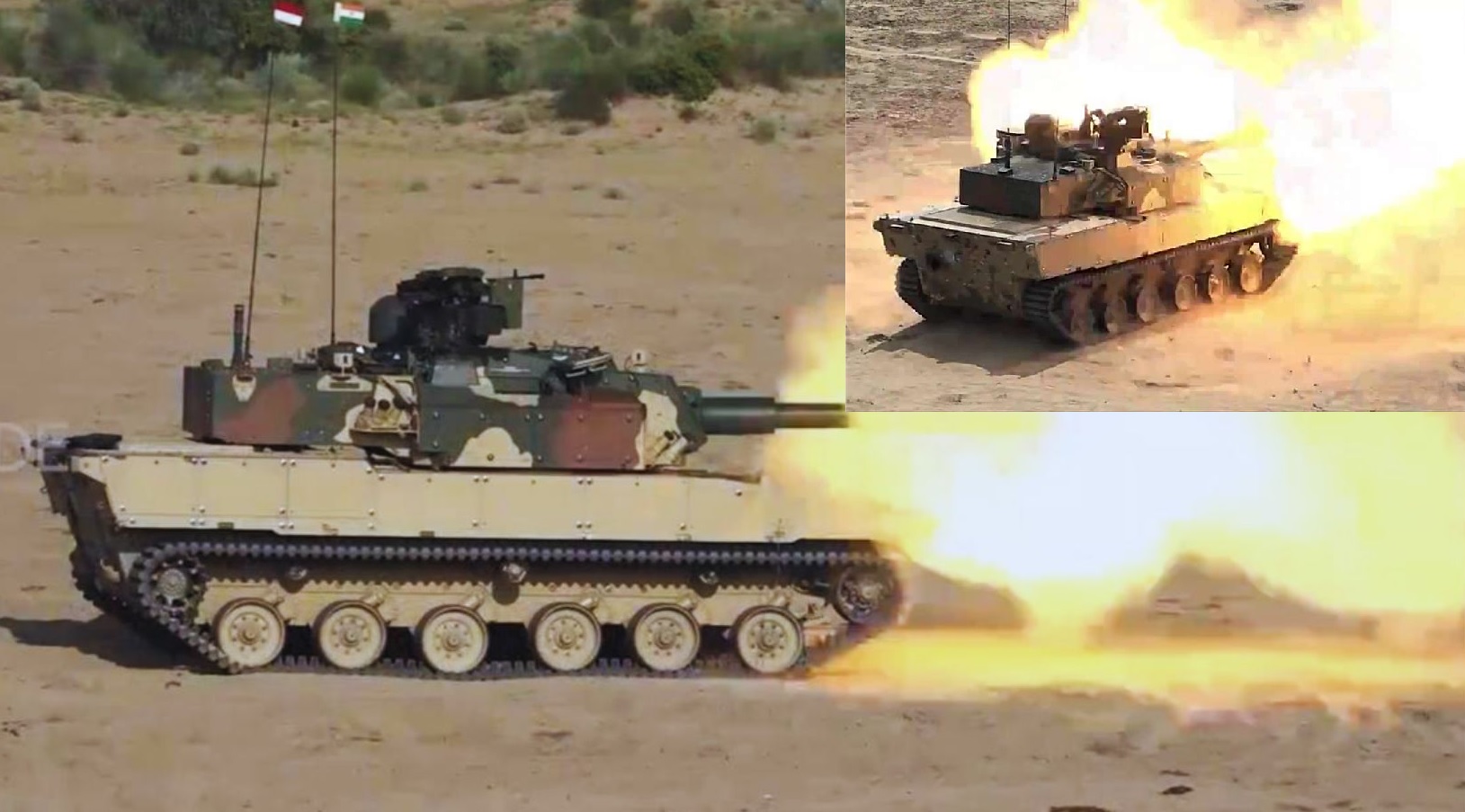
India’s indigenous light tank program has entered a critical phase, with the Defence Research and Development Organisation (DRDO) and Larsen & Toubro (L&T) successfully completing development trials of the Zorawar Light Tank. Designed specifically for high-altitude warfare and rapid deployment in mountainous terrain, the Zorawar will now undergo rigorous user trials beginning August 2025, starting with winter testing, followed by summer evaluations, and culminating in extreme altitude trials.
This ambitious project was fast-tracked in response to the 2020 China-India border standoff, which exposed a critical capability gap in the Indian Army’s arsenal—namely, the need for lightweight, agile tanks capable of operating effectively at altitudes above 15,000 feet, such as those found in Ladakh and Arunachal Pradesh.
A Tank Built for the Himalayas
Named after General Zorawar Singh, a legendary Dogra military commander known for his campaigns in Tibet and Ladakh, the Zorawar light tank is a 25-tonne class armored platform built for speed, mobility, and resilience in high-altitude, cold, and oxygen-deprived environments. The tank has been co-developed by DRDO’s Combat Vehicles Research & Development Establishment (CVRDE) and private-sector defense giant L&T under a Make-I category project.
Key Features and Capabilities
-
High Power-to-Weight Ratio: Zorawar is powered by a high-altitude optimized 1,000+ HP engine, enabling unmatched agility in rough, mountainous terrain.
-
Main Armament: It features a 105mm high-pressure gun capable of firing kinetic energy rounds and smart munitions, offering credible firepower against enemy armor and fortifications.
-
Modular Protection: Advanced modular composite armor provides high survivability without significantly increasing weight.
-
Unmanned Turret & AI Integration: The tank features state-of-the-art fire control systems and an AI-powered target acquisition suite, ensuring greater accuracy and faster reaction time.
-
Amphibious Capability: Zorawar is designed to cross water bodies without requiring bridge-laying units, offering crucial tactical flexibility.
Trial Timeline and Deployment Plans
The user trials phase, supervised by the Indian Army, will start in August 2025, beginning with winter trials in Ladakh, where sub-zero temperatures and icy conditions will test the vehicle’s cold-weather resilience. This will be followed by summer trials in desert terrain—likely in Rajasthan—to validate heat endurance, and then final trials in high-altitude combat zones.
If successful, the Zorawar will be inducted into active service by 2027, replacing older systems and supplementing heavier main battle tanks like the T-90 and Arjun in areas where their weight and size pose operational challenges.
Strategic Impact
The Zorawar tank will become a game-changer for India’s Northern Command, providing crucial firepower in regions where conventional tanks struggle to operate. Its induction will also counter China’s deployment of lightweight Type 15 tanks (ZTQ-15) along the Line of Actual Control (LAC).
Furthermore, Zorawar underscores India’s commitment to self-reliance in defense manufacturing under the ‘Atmanirbhar Bharat’ initiative. Its development demonstrates how public-private partnerships can deliver advanced military solutions tailored to India's specific security needs.
As India prepares for a more agile and responsive mountain warfare strategy, the Zorawar Light Tank stands poised to become the tip of the spear. From icy Himalayan peaks to scorching desert valleys, its upcoming user trials will shape the next generation of Indian armored warfare and secure a key technological edge in an increasingly contested strategic environment.
✍️ This article is written by the team of The Defense News.