India’s Phase-III BMD to Field Multiple Kill Vehicles (MKV) with AD-AM Interceptor

India is steadily transforming its missile defence architecture to counter increasingly sophisticated aerial threats. At the heart of this evolution is the development of Multiple Kill Vehicles (MKVs) — an advanced interception technology being integrated into the AD-AM interceptor missile under the country’s ambitious Phase-III Ballistic Missile Defence (BMD) program.
Why India Needs MKVs
The modern missile threat landscape is changing rapidly. Adversaries are deploying ballistic missiles capable of carrying Multiple Independently targetable Re-entry Vehicles (MIRVs), where a single missile releases several warheads that strike different targets. Additionally, new-age hypersonic missiles and decoys complicate the task for conventional single kill-vehicle interceptors.
To counter these challenges, India's DRDO (Defence Research and Development Organisation) has initiated work on MKVs — a system where multiple small kill vehicles are carried aboard a single interceptor missile like AD-AM. Each kill vehicle can independently seek, track, and neutralize a warhead or decoy in space, dramatically improving the probability of a successful interception in complex attack scenarios.
AD-AM Interceptor: The New BMD Spearhead
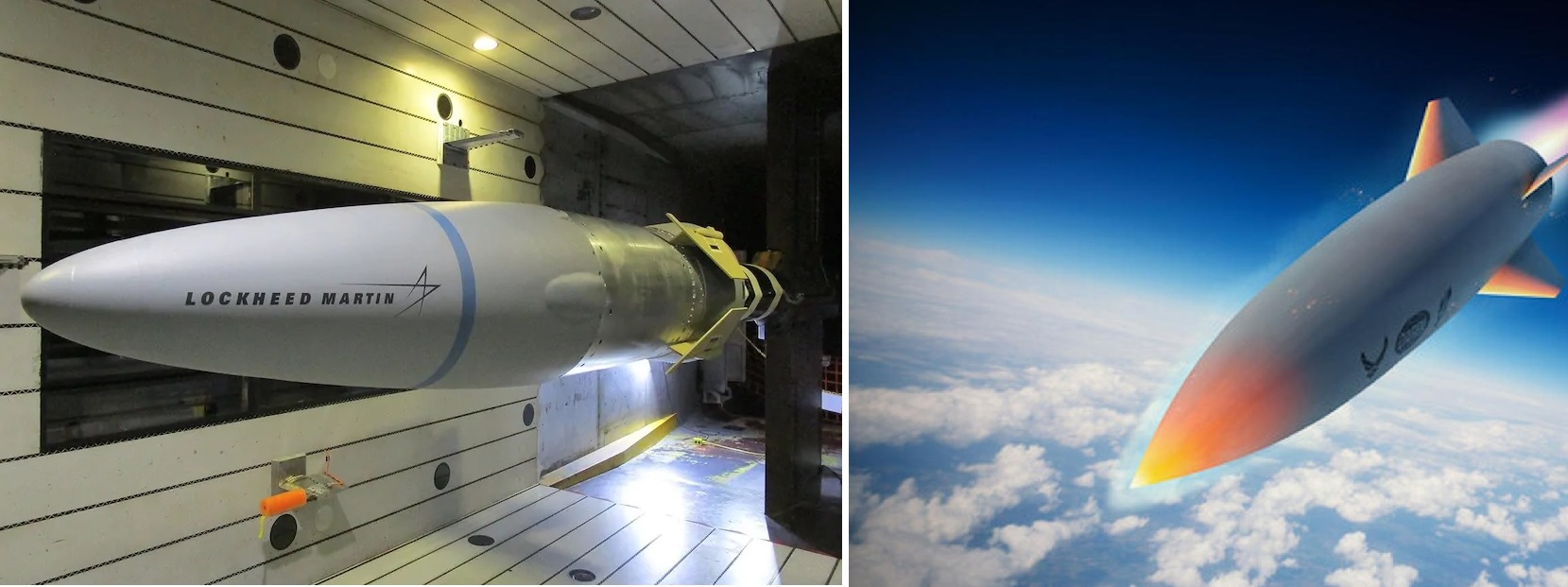
The AD-AM (Advanced Air Defence–Atmospheric Missile) is a high-speed, highly maneuverable interceptor currently in development to tackle hypersonic missiles and MIRV-equipped ballistic threats. It forms a vital component of India’s Phase-III BMD program, which extends the country's defensive envelope to counter threats traveling at Mach 5 and above, both inside and outside the atmosphere.
Designed for kinetic hit-to-kill engagements, AD-AM uses advanced seekers, possibly a combination of active radar and infrared (IR) guidance, to lock onto fast-moving targets. The interceptor will likely employ dual-pulse solid propulsion for rapid acceleration and high-altitude interception capability, along with a divert and attitude control system (DACS) for final-phase maneuvering.
How MKVs Work Inside AD-AM
Once an AD-AM interceptor is launched towards an incoming missile carrying MIRVs or decoys, it approaches the target zone guided by its onboard sensors and ground-based radar networks. As it nears the interception point, the interceptor deploys a carrier vehicle equipped with an infrared telescope. This carrier vehicle then releases several Multiple Kill Vehicles (MKVs).
Each MKV is a small, highly agile, autonomous kill vehicle equipped with its own sensors and propulsion for terminal guidance. These MKVs fan out and independently target each incoming warhead or decoy, ensuring multiple simultaneous engagements in a single defensive salvo.
This multi-kill capability significantly reduces the discrimination burden — the challenging task of distinguishing real warheads from decoys in the heat of battle — and increases the overall success rate of intercepting advanced missile threats.
A High-Firepower Solution for Next-Gen Missile Defence
The MKV-AD-AM integration aligns with global trends where nations like the United States have tested and planned MKV systems for their Ground-Based Midcourse Defense (GMD) program. By deploying multiple kill vehicles from a single interceptor, India aims to develop a high firepower, multi-engagement missile defence shield capable of handling complex, multi-warhead threats.
As per publicly available DRDO briefings, the Indian MKV system is intended to:
-
Launch multiple small kill vehicles from a single interceptor.
-
Use an IR telescope on the carrier vehicle for mid-course target tracking.
-
Have each MKV conduct autonomous terminal kill.
-
Be launched from ground-based interceptors in India’s layered BMD network.
India’s move to integrate Multiple Kill Vehicles (MKV) with the AD-AM interceptor marks a decisive step towards future-proofing its ballistic missile defence grid. As threats become faster, stealthier, and more numerous per missile, the ability to simultaneously engage multiple objects using a single interceptor launch is a game-changing capability.
The combination of hypersonic interception with multi-target engagement positions India among a small, technologically advanced group of nations developing next-generation missile defence systems. Once operational, this Phase-III BMD capability will add a critical layer of strategic deterrence and homeland defence, capable of neutralizing even the most sophisticated missile attack scenarios.
✍️ This article is written by the team of The Defense News.