India's NAL Innovates Wankel Rotary Engines for UAVs and Versatile Applications
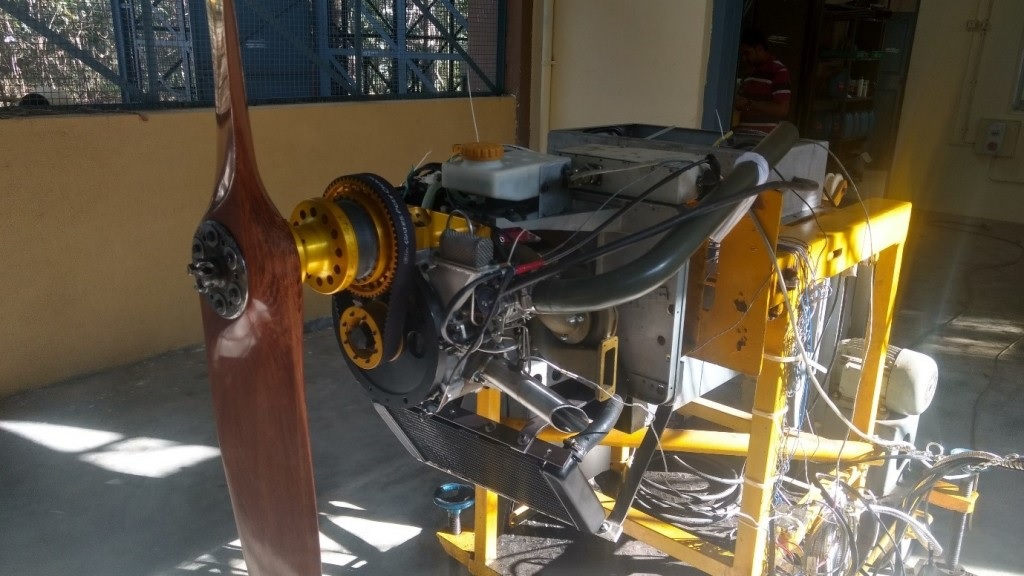
The National Aerospace Laboratories (NAL), India’s premier aerospace research institution, is pushing the boundaries of Wankel rotary engine technology, making significant strides in unmanned aerial vehicles (UAVs) and various other advanced applications. With a focus on developing compact, efficient, and high-performance engines, NAL’s contributions are cementing India’s position as a global player in aerospace innovation.
Understanding Wankel Rotary Engines
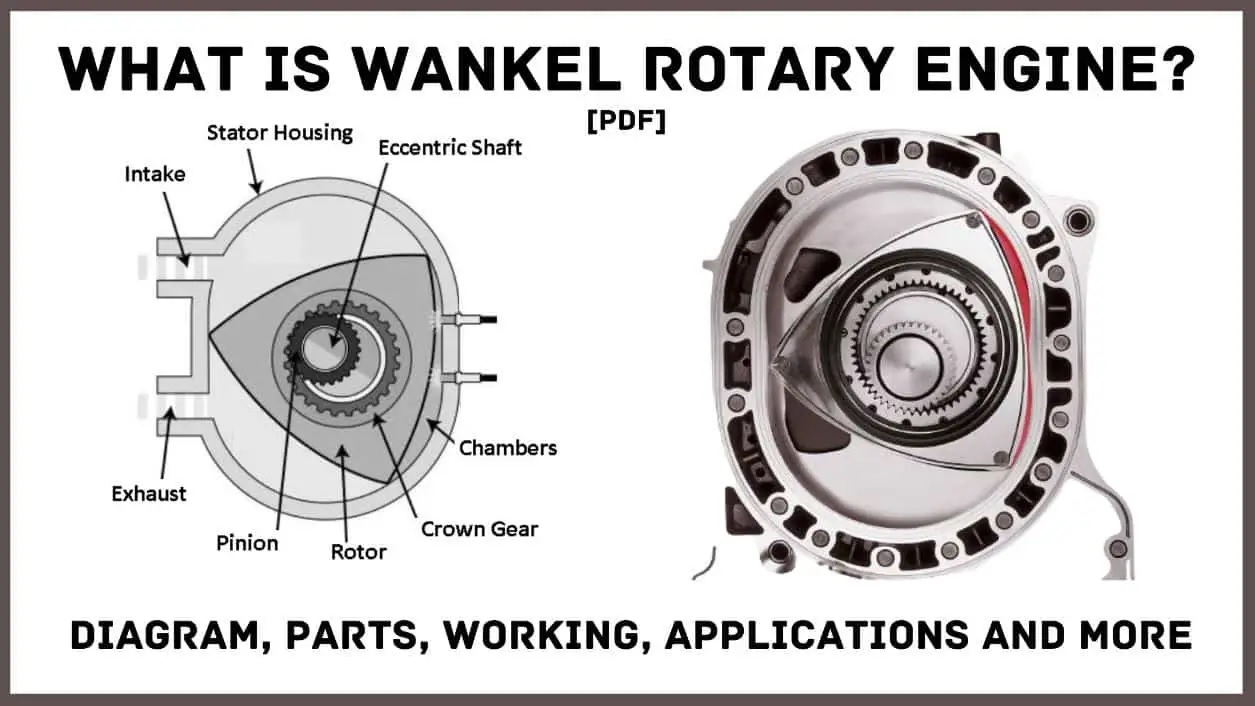
Originally designed by German engineer Felix Wankel in the 1950s, the Wankel rotary engine is distinct for its eccentric rotary design that transforms pressure into rotational motion. Unlike conventional piston engines, Wankel engines boast a compact structure, smoother operation, and fewer moving parts, resulting in less vibration and wear. However, they come with challenges, such as lower thermal efficiency and higher emissions.
Despite these limitations, their advantageous power-to-weight ratio and ability to function in compact spaces make them ideal for specialized applications, particularly in aerospace and defense.
NAL’s Breakthroughs in Wankel Engine Development
Tactical UAV Engines: The 55 hp Wankel Engine
NAL has developed a 55 hp Wankel engine tailored for tactical UAVs under the Defense Research and Development Organisation (DRDO). This engine is airworthiness-certified, meeting stringent standards required for defense operations. It exemplifies NAL’s commitment to producing indigenous technologies that can meet critical national security needs.
Powering Kamikaze Drones: The 30 hp Wankel Engine
Building on its expertise, NAL introduced a 30 hp Wankel engine specifically designed for loitering munitions, commonly known as kamikaze drones. These advanced drones, capable of carrying payloads up to 120 kg, are engineered for precision strikes and effective operation in GPS-denied environments. Such advancements highlight the adaptability of Wankel engines in modern warfare.
Hybrid Configurations for Enhanced Performance
Recognizing the potential of hybrid propulsion systems, NAL is exploring combinations of Wankel engines with electric propulsion. This integration aims to create versatile systems for UAVs and cruise missiles, offering improved fuel efficiency and performance.
Specialized Facilities at NAL
NAL’s Rotary Engines and Ceramics Application Laboratory (RECAL) is at the forefront of designing and testing Wankel rotary combustion engines. The lab supports a wide power range from 1 to 120 hp and is equipped with:
- Advanced test rigs to measure engine-propeller thrust.
- Exhaust gas emission analysers for precise monitoring.
This infrastructure ensures that the engines meet the highest standards of reliability and efficiency, making them suitable for both military and civilian applications.
Expanding Applications Beyond Aerospace
NAL’s Wankel engines are finding use beyond UAVs, showcasing their versatility:
- Compact generators: Ideal for portable energy needs.
- Outboard motors: Enhancing efficiency in marine applications.
- Powered hang gliders: Offering lightweight propulsion for recreational aviation.
- Hybrid vehicles: Exploring green solutions for future transportation.
These applications underline the adaptability of Wankel engines, particularly in industries where compact design and high power output are critical.
Pioneering India’s Aerospace Future
NAL’s ongoing work with Wankel engines highlights its dedication to advancing India’s aerospace and defense capabilities. By continuously innovating and optimizing this technology, NAL is addressing both the challenges and opportunities associated with rotary engines. The focus on hybrid solutions and diverse applications underscores their relevance in both military and civilian contexts, ensuring a robust and sustainable future for India’s aerospace sector.
With the development of state-of-the-art propulsion systems, NAL is positioning India as a leader in global aerospace innovation while catering to the unique demands of modern technology and defense.
✍️ This article is written by the team of The Defense News.