India’s Military Innovation Offers Blueprint for U.S. Modernization, Says Top U.S. Strategist
In a striking endorsement of India’s military advancements, John Spencer, chair of urban warfare studies at the Modern War Institute, has urged the United States to rethink its defense strategy—taking a cue from India’s sharp focus on lethal, cost-effective technologies. His recent report argues that India has mastered what he calls “the physics of lethality,” creating systems that combine speed, precision, and affordability, all of which could serve as valuable lessons for a U.S. military stuck in expensive, slow-moving development cycles.
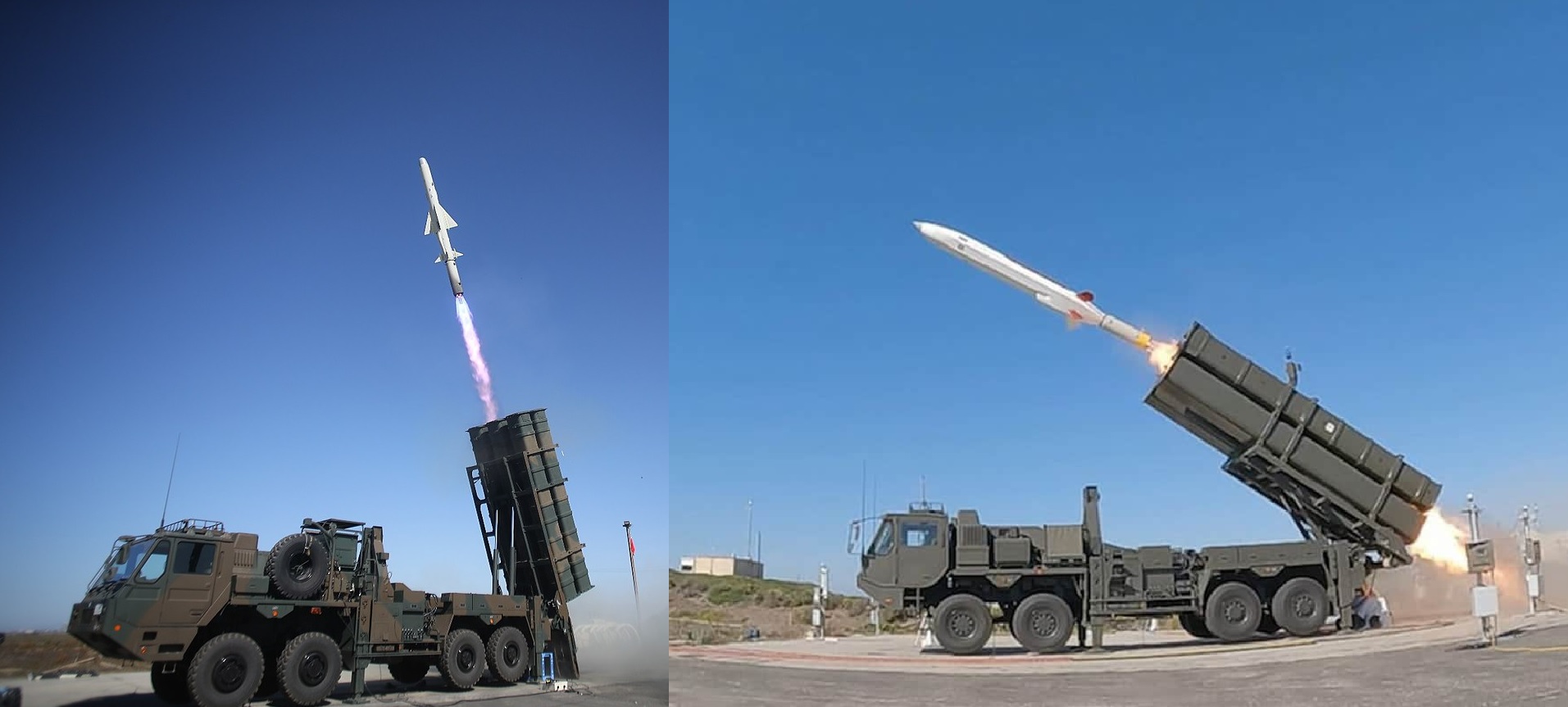
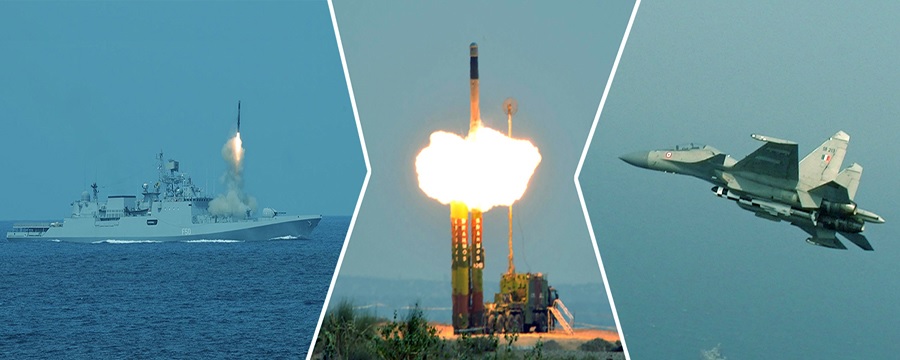
India’s defense evolution is not just about flashy weapons but about real performance on the battlefield. One standout example is the BrahMos supersonic cruise missile. Jointly developed with Russia and now primarily built in India, the BrahMos can fly at nearly three times the speed of sound. Though each unit costs about $4.85 million—more than double the U.S. Tomahawk missile—the BrahMos delivers a greater kinetic punch and speed, making it significantly harder to intercept and more effective in critical missions. In short, it delivers more bang for the buck.
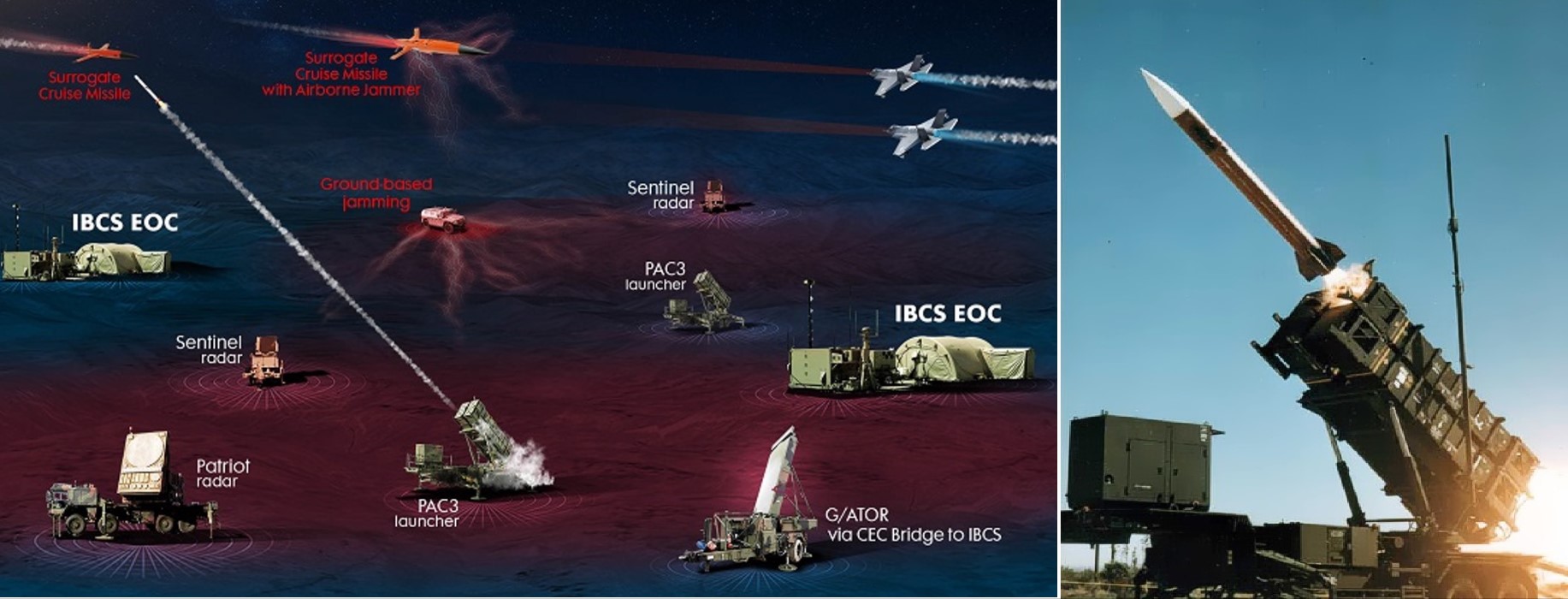
Another success story is the Akashteer system, an AI-driven air defense network that provides real-time surveillance and threat engagement. Despite its advanced features, the entire system comes in at just $240 million—a fraction of what the U.S. pays for similar systems like NASAMS or the Patriot. According to Spencer, this cost-to-capability ratio is what sets India apart. Rather than throwing money at problems, India focuses on smart, scalable solutions that work in real combat situations.
Importantly, these are not just theoretical systems. They’ve been used and tested in real conflicts. During recent tensions with Pakistan, India’s precision strikes overwhelmed Pakistani air defenses, many of which rely on outdated Chinese systems like the LY-80 and HQ-9/P. These systems failed to detect or respond effectively, allowing Indian missiles to strike with near-impunity. The outcome was not just a battlefield victory, but a demonstration of technological dominance and strategic execution.
What makes India’s approach even more relevant to the U.S. is how it combines innovation with practicality. The BrahMos and Akashteer systems are not lab prototypes—they are fully integrated into India’s defense posture. This is in stark contrast to the American model, where development timelines stretch over decades and often result in equipment that is outdated before it even enters service. Spencer believes the U.S. can benefit immensely from India’s approach, which emphasizes rapid development, affordability, and battlefield utility.
As the global security landscape becomes more unpredictable, Spencer warns that the U.S. must adapt. Instead of continuing down a path marked by overspending and under-delivery, the Pentagon could look to India’s playbook to stay ahead. Lethality and efficiency are not opposing goals—they can go hand-in-hand, as India has clearly demonstrated.
In essence, India’s rise as a defense innovator is not just a regional story—it’s a global one. And if the U.S. is to maintain its military edge in the 21st century, it may have to learn a few lessons from a partner that’s already redefining what modern warfare looks like.
✍️ This article is written by the team of The Defense News.