India’s Indigenous ITCM Cruise Missile Set for Crucial Test
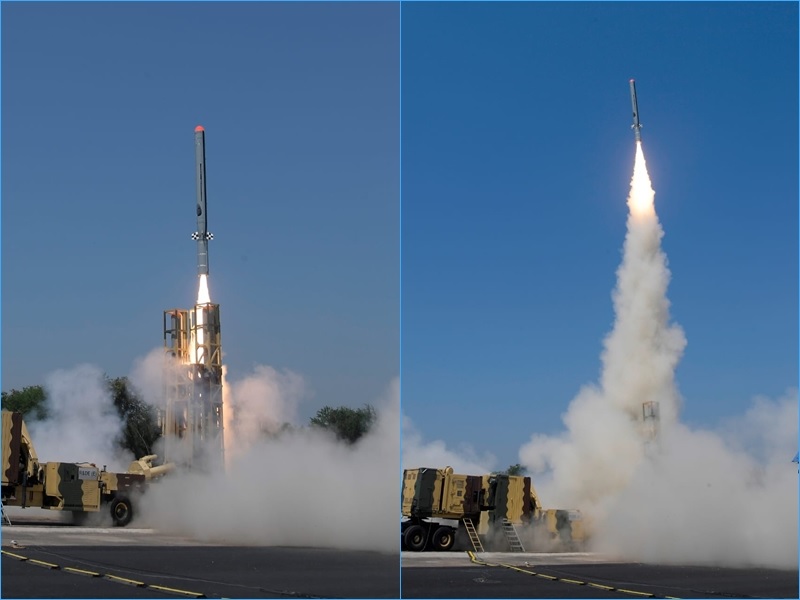
India is preparing for a crucial test of the Indigenous Technology Cruise Missile (ITCM), a new long-range subsonic cruise missile developed by DRDO in collaboration with the Indian Navy. Designed to strike targets at distances of up to 1,000 kilometres, this missile will boost India’s ability to hit both land and maritime targets deep inside enemy territory.
Design
The ITCM is the technological successor to the Nirbhay cruise missile program, which served as India’s test platform for developing long-range subsonic missiles. Unlike earlier Nirbhay versions that relied on imported propulsion, the ITCM uses the indigenous “Manik” small turbofan engine, developed under the Small Turbofan Engine (STFE) project. This provides greater reliability, local supply security, and longer endurance.
Features and Capabilities
-
Range: Capable of striking targets up to 1,000 km away.
-
Flight Profile: Flies at subsonic speed but uses ground-hugging and sea-skimming paths to avoid radar detection.
-
Seeker & Guidance: Equipped with an indigenous radio-frequency seeker and advanced navigation systems for precise target engagement.
-
Stealth Features: Low altitude flight and advanced avionics reduce the chance of detection.
-
Compatibility: Designed for smooth integration with naval combat management systems, allowing launch from frontline warships.
Naval Integration
A major focus of the upcoming test is its integration with naval warships. DRDO has developed a temporary Vertical Launch System (VLS) to test ship launches. In the future, the Indian Navy plans to deploy ITCM through Universal Vertical Launch Modules (UVLMs) — versatile launchers that can fire multiple missile types like BrahMos and ITCM from a single system, enhancing fleet flexibility.
Variants Under Development
To ensure the missile can serve across different branches of the armed forces, DRDO is creating several variants of the ITCM. The ship-launched version will arm surface warships, giving the Navy a long-range precision strike tool. A submarine-launched variant (SLCM) is also in the works, aimed at providing undersea strike capability and adding an extra layer to India’s deterrence strategy. On land, the Long-Range Land Attack Cruise Missile (LRLACM) is being developed to carry out deep strikes against critical enemy infrastructure. Finally, an air-launched version is being explored, which could be integrated on frontline fighters or bombers, allowing India’s Air Force to hit high-value targets from a safe distance without entering hostile airspace.
Strategic Importance
The ITCM is not meant to replace the BrahMos missile but rather to work alongside it. BrahMos, with its supersonic speed of nearly Mach 3 and a range of about 300–450 kilometres, is ideal for quick and devastating strikes at medium distances. On the other hand, ITCM, though slower at subsonic speeds, has a much longer reach of up to 1,000 kilometres and is designed for stealthy penetration into enemy territory. When used together, the two missiles give India a balanced strike capability — the BrahMos delivers speed and shock value at shorter ranges, while ITCM ensures long-range precision and the ability to engage targets deep inside enemy defences.
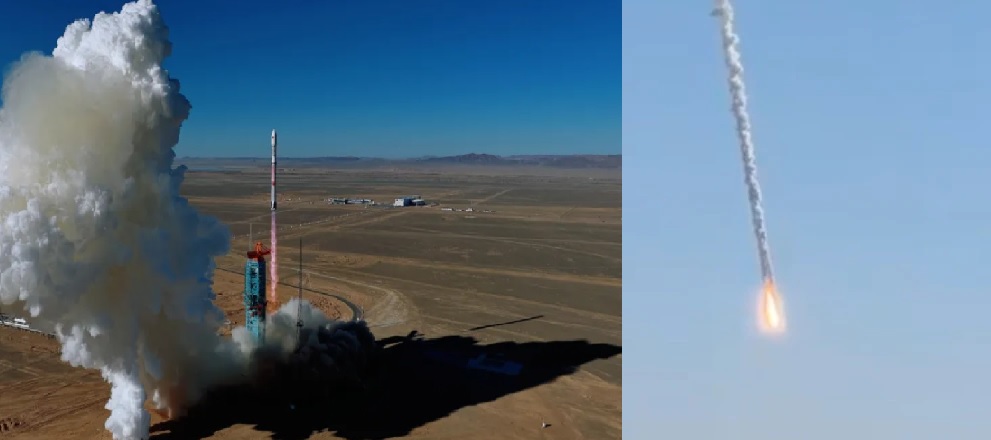
The upcoming ship-based test will be crucial in proving the missile’s readiness for naval service. This trial will show whether ITCM can be effectively launched from Indian warships, work seamlessly with their radar and combat systems, and hit long-range targets over the sea. It will also validate key features like navigation accuracy, seeker performance, stealthy low-altitude flight, and overall endurance. If the test succeeds, ITCM will be established as a next-generation indigenous cruise missile. More importantly, it will represent a significant step forward for Atmanirbhar Bharat, strengthening India’s self-reliance in defence technology and giving the Indian Navy greater power to project force across the Indian Ocean and beyond.
✍️ This article is written by the team of The Defense News.