India’s ADE Developing 0.6 Mach SWiFT-K Stealth Kamikaze Drone to Challenge Advanced Air Defence Systems

India is making impressive strides in strengthening its indigenous defence capabilities with the development of a new high-speed, stealth kamikaze drone called SWiFT-K. This cutting-edge drone is being developed by the Aeronautical Development Establishment (ADE), a vital wing of the Defence Research and Development Organisation (DRDO), in partnership with Indian industry and academic institutions.
The SWiFT-K marks a significant milestone as India’s first homegrown kamikaze drone designed to counter modern air defence systems, such as the Chinese-origin HQ-9 missile systems reportedly operated by Pakistan. By focusing on stealth, speed, and precision, this drone project demonstrates India's commitment to achieving self-reliance in critical defence technology.
What is a Kamikaze Drone?
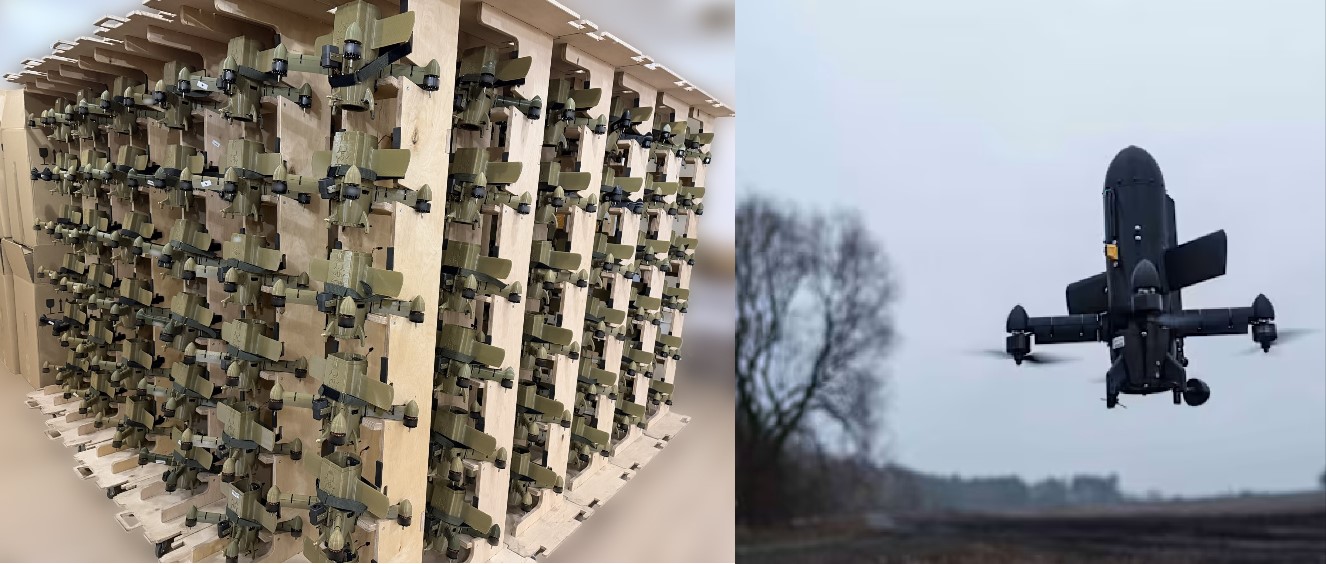
Often called loitering munitions, kamikaze drones are unmanned aerial vehicles (UAVs) designed to attack by crashing directly into a target, carrying an onboard explosive warhead. Unlike traditional UAVs that return after a mission, kamikaze drones are intended for one-time use, making them a cost-effective, precise solution for neutralising high-value enemy assets, such as air defence missile batteries, radar stations, and command posts.
SWiFT-K: Born from the SWiFT Program
The SWiFT-K is a combat-oriented offshoot of the ongoing Stealth Wing Flying Testbed (SWiFT) project, which serves as a technology demonstrator for India’s future Unmanned Combat Aerial Vehicles (UCAVs). The ‘K’ in its name stands for ‘Kamikaze’, underlining its role as a single-use, precision-strike platform.
Built around a flying-wing stealth design, SWiFT-K will combine low radar signature with high-subsonic speed, making it difficult for advanced air defence systems to detect and intercept.
Key Specifications of SWiFT and SWiFT-K
While exact figures for the SWiFT-K are still classified, the specifications of the base SWiFT platform, which influences the kamikaze variant, are as follows:
-
Wingspan: 5 metres
-
Length: 4 metres
-
Maximum Takeoff Weight: 1,050 kg
-
Endurance: 1 hour
-
Command Range: 200 km
-
Maximum Speed: Mach 0.6 (approx. 735 km/h at sea level)
-
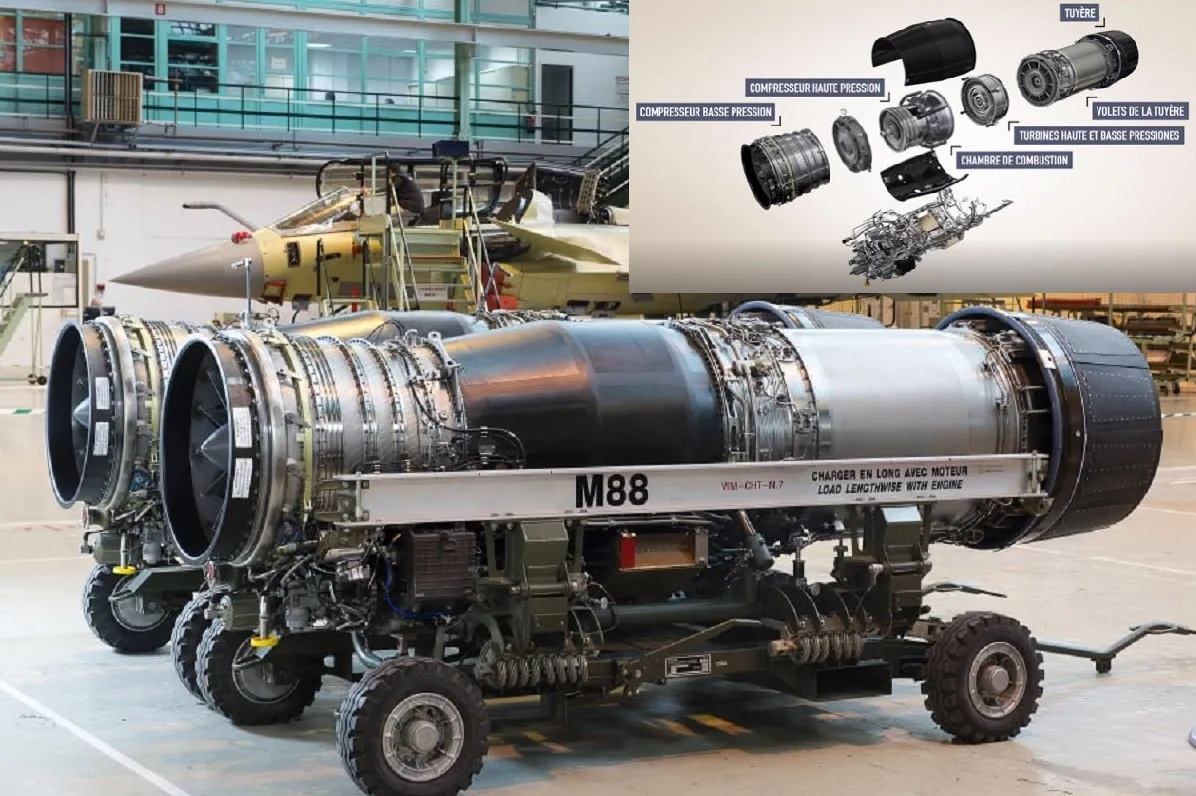
Engine: Currently powered by a Russian NPO Saturn 36MT turbofan engine
-
Future Engine: Planned integration of the indigenous Small Turbo Fan Engine (STFE) being developed by Gas Turbine Research Establishment (GTRE)
The SWiFT-K will trade endurance for increased speed, stealth, and warhead payload, tailoring it for precision strikes against fortified enemy positions.
Stealth and Speed: Its Greatest Strength
SWiFT-K’s high-subsonic speed of Mach 0.6, paired with stealthy features from its flying-wing airframe, enables it to slip past sophisticated enemy radars and air defence systems like the HQ-9. This makes it a highly effective tool for taking out critical installations without risking manned aircraft or expensive assets.
Rapid Progress in Development
The project has advanced quickly, with two prototypes already built for testing core systems. The drone successfully completed High-Speed Taxi Trials (HSTT) at the Aeronautical Test Range (ATR) in Challakere, Karnataka. This confirmed the drone’s ground handling and validated its specially designed landing gear — though future operational variants are expected to feature booster-assisted or catapult launches, eliminating the need for runways.
Interestingly, the program has made notable progress even without specific end-user orders or formal funding approvals, reflecting the initiative’s strategic importance.
Academic and Industry Collaboration
In a unique move, ADE has partnered with an incubator at the Indian Institute of Science (IISc), Bengaluru to develop SWiFT-K’s advanced airframe. This joint effort blends academic expertise with military innovation. Plans are also in place for a Transfer of Technology (ToT) to Indian private defence manufacturers for mass production once the drone completes its capability demonstrations.
A Step Toward Atmanirbhar Bharat
The SWiFT-K project is a shining example of India’s ‘Atmanirbhar Bharat’ (Self-Reliant India) vision, highlighting how domestic R&D, industry, and academic partnerships can drive indigenous defence innovation at impressive speed. The initial prototype was completed in just nine months, showcasing India’s growing ability to rapidly develop advanced military technology.
What Lies Ahead
Currently in its capability demonstration phase, SWiFT-K’s focus is on validating its autonomous, high-speed, stealth capabilities. After successful flight trials, future versions will be adapted for mobile or frontline deployments, launching from vehicle-based or portable platforms. This will provide India with a powerful, flexible strike option in the event of conflict, especially in contested airspace dominated by enemy missile shields.
The SWiFT-K’s development also sets the stage for future unmanned combat systems like the Ghatak UCAV, with which it shares several technological roots.
Conclusion
The SWiFT-K stealth kamikaze drone represents a significant leap in India’s unmanned warfare capabilities. Designed to evade and overwhelm sophisticated air defence systems like the HQ-9, this high-speed, low-observable drone could become a critical component in India’s future combat operations. Its successful development also reflects the strength of India’s defence R&D sector and the growing momentum behind the country’s push for indigenous, cutting-edge military technologies.
✍️ This article is written by the team of The Defense News.