Indian Startup Unveils Indigenous Autonomous Combat Systems, Signaling Shift in Defence Manufacturing
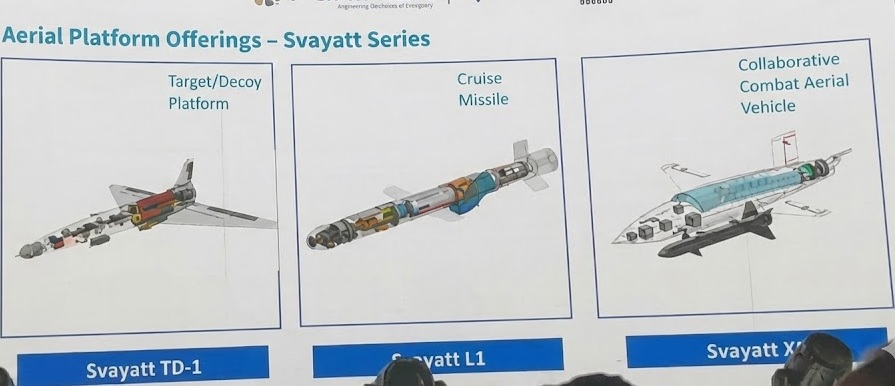
Hyderabad, India : In a landmark moment for India’s private defence ecosystem, Hyderabad-based deep-tech firm Paninian India Pvt Ltd has publicly unveiled a family of indigenous autonomous aerial platforms that span strike, combat support, and training roles. The reveal took place at the MeitY Startup Hub’s TIDE 2.0 Pravartan event, underscoring the growing role of startups in shaping India’s next generation of military capabilities.
The newly introduced “Svayatt” series—named after the Sanskrit word for “autonomous”—positions Paninian as one of the few Indian startups claiming end-to-end capability in advanced unmanned and missile systems. Defence analysts present at the event described the showcase as a clear signal that India’s self-reliance drive is moving beyond incremental innovation into complex, mission-critical hardware.
A Modular Vision for Autonomous Warfare
Paninian officials said the Svayatt family has been conceived as a modular ecosystem rather than isolated platforms. Each system shares common avionics philosophies, autonomous mission software, and propulsion development pathways, allowing rapid adaptation across roles ranging from training and deception to deep-strike operations.
The company emphasized that the platforms are designed from inception to operate in contested, electronic-warfare-heavy environments, reflecting lessons drawn from recent global conflicts where GPS denial and air-defence saturation have become defining features of modern warfare.
Svayatt L1: Indigenous Long-Range Cruise Strike
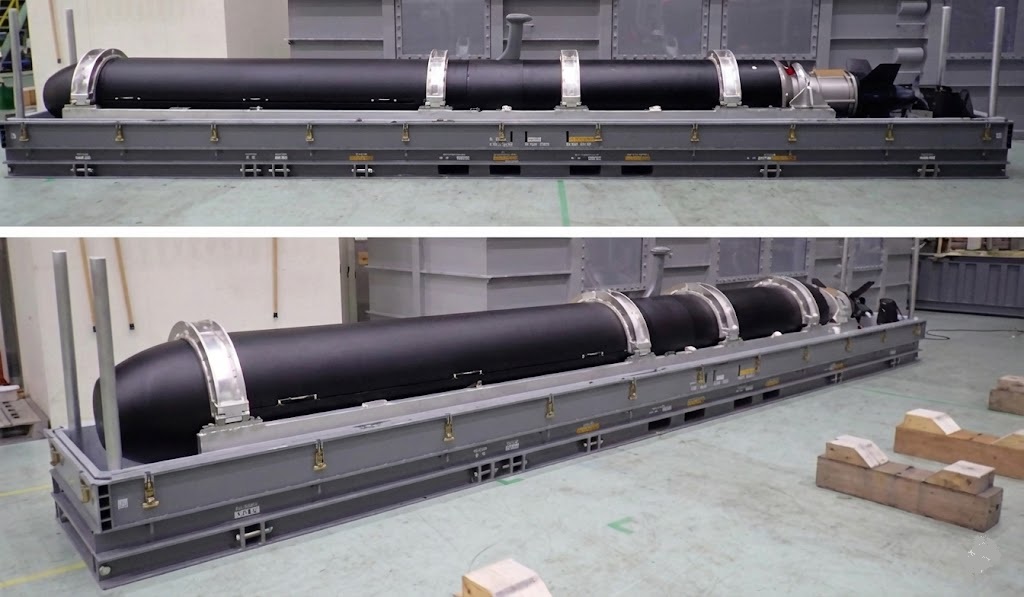
At the center of attention was the Svayatt L1, an indigenous long-range land-attack cruise missile concept. According to Paninian, the platform features a low-observable airframe and a terrain-following flight profile intended to reduce radar detection during penetration missions.
The missile employs a dual-stage propulsion architecture, using a solid booster for launch followed by a turbofan engine for sustained cruise. Of particular significance is its reliance on Paninian’s proprietary autonomous mission-planning and navigation suite, designed to allow the missile to complete missions even in GPS-denied or heavily jammed environments—an increasingly critical requirement for survivability.
Svayatt M1: Loyal Wingman for the Indian Air Force
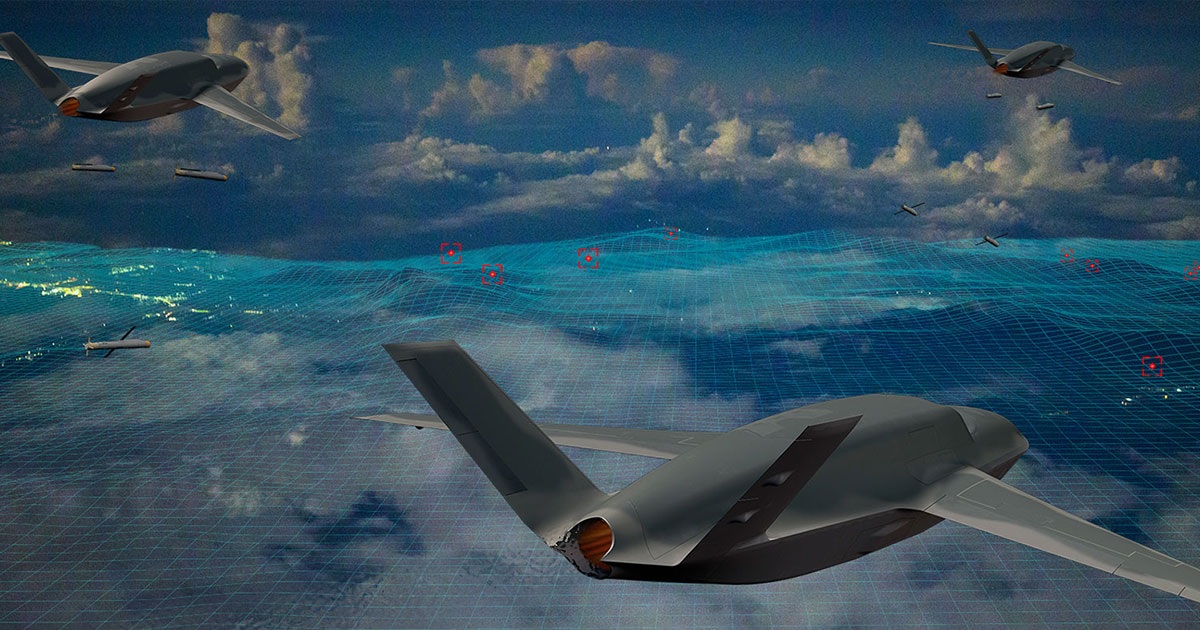
Equally notable was the Svayatt M1, described by the company as a Collaborative Combat Aerial Vehicle (CCAV) designed for manned-unmanned teaming. The system is envisioned to operate alongside frontline fighters such as the Tejas and the Rafale, performing high-risk missions that would otherwise expose human pilots to significant danger.
Paninian stated that the M1 leverages advanced sensor fusion and onboard decision-making algorithms to autonomously identify threats, coordinate with other unmanned assets, and execute tasks such as reconnaissance, electronic warfare support, or suppression of enemy air defences (SEAD). Human pilots retain supervisory control, but the drone is designed to act independently within defined mission parameters.
Svayatt TD-1: Training, Deception, and Air-Defence Saturation
Completing the trio is the Svayatt TD-1, an autonomous target and decoy platform. In peacetime, it can replicate the radar and thermal signatures of hostile aircraft or missiles, enabling Indian air-defence units to train against realistic, high-fidelity threats. In wartime scenarios, the same system could be used to confuse adversary sensors, draw fire, and exhaust interceptor inventories—an approach increasingly seen as vital in modern air campaigns.
Indigenous Engines and Vertical Integration
A critical differentiator highlighted during the presentation was Paninian’s in-house development of the Yantur family of micro-turbojet engines, covering thrust classes from approximately 1.5 kN to 12 kN. Engine technology has long been a strategic bottleneck for India’s aerospace ambitions, and company officials argued that indigenous propulsion development is essential for true autonomy in unmanned and missile systems.
By pursuing vertical integration across airframes, avionics, autonomy software, and propulsion, Paninian aims to reduce dependence on foreign suppliers and accelerate iteration cycles—an approach that aligns closely with national policy priorities.
Government Backing and Strategic Context
The company’s work has been supported under the TIDE 2.0 program of the Ministry of Electronics and Information Technology (MeitY), which focuses on nurturing startups working in emerging technologies such as artificial intelligence, robotics, and advanced electronics with strategic relevance.
Observers noted that the unveiling comes at a time when India’s armed forces are actively exploring doctrines centered on autonomy, swarming, and manned-unmanned teaming, driven by both operational needs and the desire to reduce reliance on imports.
A Shift Toward Homegrown Combat Systems
While the Svayatt platforms remain at a developmental and conceptual demonstration stage, defence experts at the event said the program reflects a broader shift in India’s military-industrial landscape. Startups are no longer confined to peripheral software roles but are beginning to challenge traditional public-sector dominance in high-end defence hardware.
If platforms like Svayatt L1 and Svayatt M1 mature into operational systems, they could mark a significant step toward India’s ambition of building a resilient, self-reliant defence ecosystem—one capable not only of meeting domestic needs but potentially of competing in global markets in the years ahead.
About the Author
Aditya Kumar:
Defense & Geopolitics Analyst
Aditya Kumar tracks military developments in South Asia, specializing in Indian missile technology and naval strategy.