Indian Probe Investigates Use of Electromagnetic Weapons in Arabian Sea Ship Incidents

Indian intelligence and investigative agencies, along with global partners, have launched a high-level probe into the mysterious series of accidents involving ships in the Arabian Sea. The focus of the investigation is on the possible use of high-power microwave (HPM) or electromagnetic pulse (EMP)-based weapons—technologies capable of disabling electronic systems critical for modern navigation and communication.
Concerns over this possibility gained traction following a series of unusual maritime mishaps that showed signs of GPS failures and erratic electronic behavior. The growing suspicion is that these were not mere technical faults but possibly acts of electronic sabotage. Investigators are now actively examining whether these ship incidents were caused by the deployment of HPM or EMP-based systems.
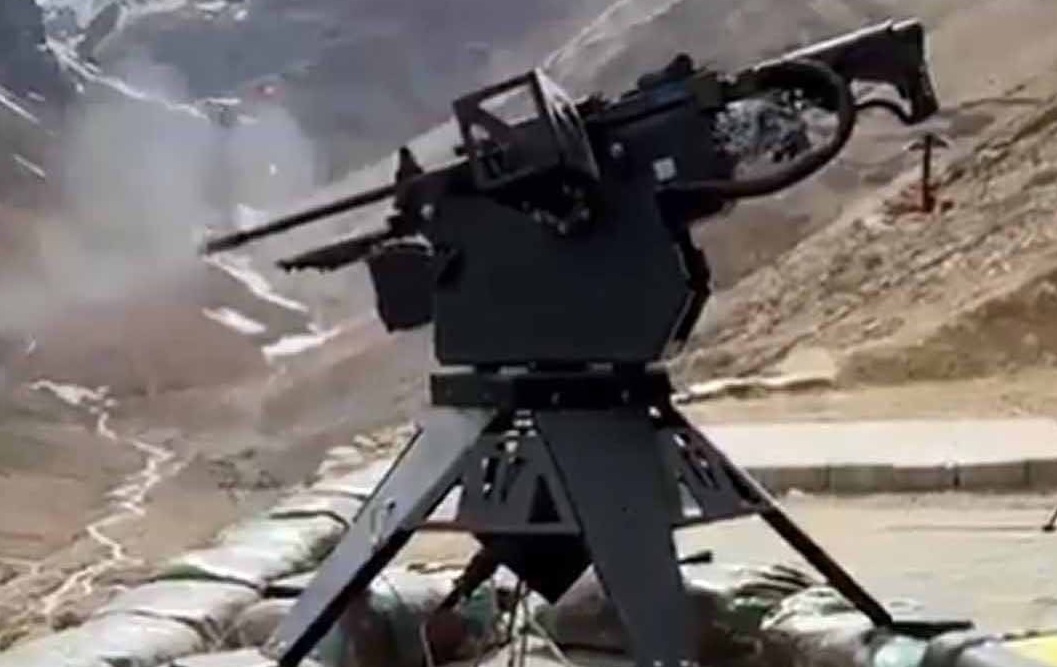
Recent intelligence reports have highlighted Turkey’s advancement in this area. One notable example is the Alka–Directed Energy Weapon (DEW), developed by Turkish defense agency Roketsan. This portable weapon, about the size of a sports car, can operate at power levels between 2.5 to 5 kilowatts and is effective over distances ranging from 1,500 to 5,000 meters. It is designed to disable or damage electronic systems on ships and aircraft without the need for conventional explosives or missiles.
Authorities are now studying electricity consumption patterns and anomalies at key coastal and island locations to trace any unauthorized or sudden spikes in power usage—an indirect method to detect the operation of high-energy electromagnetic weapons. Investigators believe that the timing and location of certain electrical fluctuations may correlate with reported disruptions to ship navigation systems in the region.
These directed energy weapons can not only interfere with GPS and communication but also potentially ignite combustible materials using electromagnetic radiation. This has added to the urgency of the investigation, as the consequences of their use at sea could be catastrophic, especially on oil tankers or ships carrying hazardous cargo.
Insurance companies, especially those involved in underwriting maritime operations, have grown increasingly alarmed. The Joint Marine Insurance Committee based in the US has already flagged incidents in the Arabian Sea that showed signs of EMP-level interference. In response, a team of global maritime insurance investigators visited Kerala last week to assess the situation on the ground, suggesting the issue is being taken seriously at both commercial and strategic levels.
While the investigation is still in its early stages, the possibility of advanced electronic warfare technology being used in the Arabian Sea marks a concerning development in maritime security. If confirmed, it could change the way naval operations, cargo routes, and defense postures are planned in the region. Indian authorities are expected to coordinate closely with international allies to uncover the source and extent of this emerging threat.
✍️ This article is written by the team of The Defense News.