Indian Govt’s Alleged ‘No-SIM, No-Chat’ Rule: What It Would Mean – And What We Actually Know
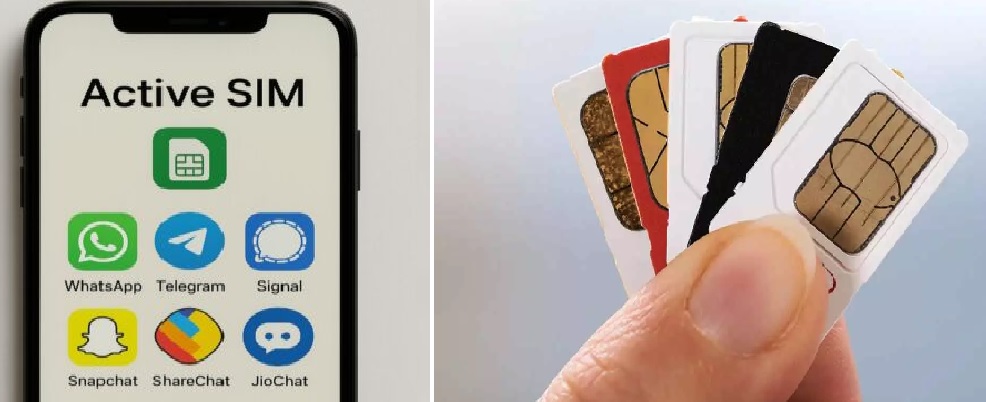
In a sweeping push to tighten digital security and curb rising cyber-fraud, the Indian government is reportedly preparing a new compliance framework that would fundamentally change how WhatsApp and all major messaging apps operate in the country. The proposed rules would enforce persistent SIM binding, mandatory number re-verification, and automatic logout of all web sessions every six hours, making it nearly impossible to use any messaging platform without a continuously active, KYC-verified SIM card.
A Radical Shift From Current Practice
At present, messaging apps verify a phone number only once at sign-up. After that, accounts often continue working even if the SIM is removed, deactivated, or recycled. The new framework would eliminate this loophole completely.
Under the proposed system, every chat account must remain linked to a active SIM or valid eSIM alias, continuously checked for validity. If the number becomes inactive or is disconnected by the telecom provider, the messaging account would have to be disabled within 90 days unless it is re-verified. In effect, users would no longer be able to operate “orphaned” accounts or rely on numbers they no longer physically possess.
Officials see this as a direct attack on the infrastructure of digital anonymity. The plan aims to ensure that every login is tied to a traceable number and a real device, drastically reducing the space for unverified or disposable accounts that are widely used in fraud networks.
Strict Session Controls: WhatsApp Web to Refresh Every 6 Hours
Another major requirement would force all web-based login sessions—such as WhatsApp Web—to log out automatically every six hours. Users would have to scan a new QR code each time to continue.
This is designed to disrupt the remote-access setups used in cybercrime operations, where gangs run hundreds of WhatsApp sessions simultaneously from centralized computer systems. Persistent sessions allow them to keep operating long after the original SIM is discarded. The six-hour limit would cripple that model.
It would also improve security for ordinary users, reducing the risk of accidental long-term logins on shared or public computers.
Why the Government Is Pushing This Model
Authorities say the measures would be a direct blow to scam factories, financial fraud rings, and anonymous harassment networks, many of which depend on throwaway numbers and remote device control.
India has seen a sharp rise in:
-
Online investment scams and phishing run through fake WhatsApp numbers
-
Fraud call centers linked to global networks impersonating banks, courier companies, and law-enforcement agencies
-
Anonymous abuse, blackmail, and sextortion using temporary phone numbers
-
Coordinated misinformation campaigns relying on mass-produced accounts
By forcing long-term, persistent SIM verification, the government aims to make it far more expensive—and risky—for criminals to use WhatsApp and other platforms as operational tools. Every account would be tied to a real, KYC-verified identity and a live telecom record.
How It Fits Into India’s Real Regulatory Trend
While the full details of the proposed framework have not yet been officially notified, the direction aligns with the government’s broader digital governance push:
-
Telecom KYC rules already require strict identity checks before SIM activation
-
IT Rules 2021 demand traceability of message originators for serious crimes
-
Ongoing nationwide efforts target SIM misuse, fraudulent number recycling, and organized digital crime
If implemented, the new requirements would represent the strongest identity-binding regime for messaging apps anywhere in the world outside China.
Impact on Users
For ordinary users, daily experience would change in noticeable ways:
-
No messaging account could survive without an active phone number
-
Changing SIMs or letting a number lapse would require immediate re-verification
-
WhatsApp Web logins would expire every six hours, demanding fresh QR scans
-
Devices without SIM — PC, laptops—could face restrictions unless linked to a verified phone continuously
Businesses, customer-service desks, and remote teams relying heavily on WhatsApp Web could see workflow disruption. Meanwhile, privacy advocates warn that such deep linkage between messaging identities and telecom records could create risks of over-surveillance or misuse of personal information.
A New Era of Traceable Messaging
If enacted in full, the framework would effectively end the era of semi-anonymous, SIM-less messaging in India. Every chat account would become a constantly verified extension of the user’s telecom identity, with regular checks ensuring the number remains alive, active, and traceable.
Supporters argue this is necessary to break the back of India’s booming cyber-fraud ecosystem. Critics caution that it may also shrink the space for digital privacy, whistleblowing, and political dissent.
For now, the government has not issued the final order, but the direction is clear: India is preparing for a future where your phone number—and the SIM behind it—will be the key to your digital existence.
About the Author
Aditya Kumar:
Defense & Geopolitics Analyst
Aditya Kumar tracks military developments in South Asia, specializing in Indian missile technology and naval strategy.