Indian Army and Aartech Solonics Launch All-Weather Power Module for K9 Vajra and Other Armored Vehicles
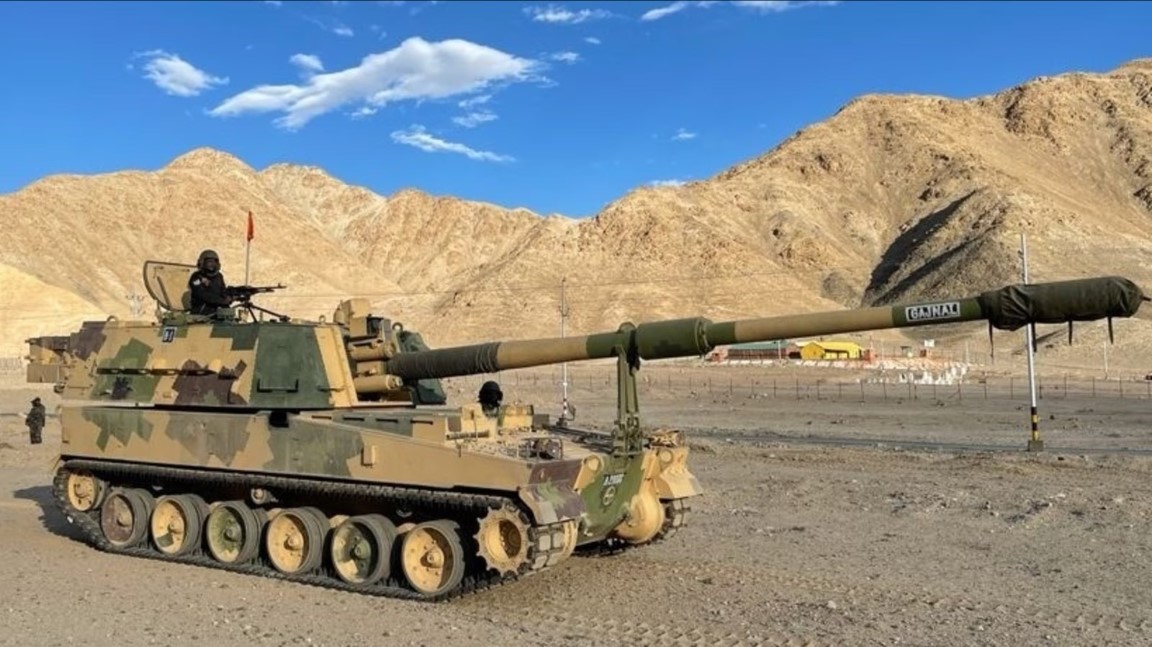
In a milestone for India’s defence technology landscape, Aartech Solonics Limited, in collaboration with the Indian Army's Sudarshan Chakra Corps (EME) and IIT Bombay, has unveiled the Adaptive Alternate Power Module (AAPM). This innovative system is set to transform power management in Armored Fighting Vehicles (AFVs) and advanced artillery systems, such as the formidable K9 Vajra self-propelled howitzer.
The AAPM addresses a critical operational challenge—providing a reliable source of regulated DC power to military vehicles and equipment without the need to activate the main engine. This eliminates the traditional reliance on the engine for energy, delivering a host of benefits that enhance efficiency, stealth, and sustainability.
Features for Battlefield Superiority
The AAPM boasts an impressive array of features tailored to the demands of modern warfare. Its design allows it to operate seamlessly across extreme temperature ranges, from a scorching +60°C to a freezing -30°C. This adaptability ensures that the module performs reliably in diverse terrains, whether in desert heat or high-altitude chill.
Its compatibility with various platforms, including the K9 Vajra, makes it a versatile addition to India’s armored arsenal. The K9 Vajra, known for its 155mm/52-caliber howitzer capable of striking targets up to 50 kilometers away, is a critical component of the Indian Army's artillery forces. By integrating the AAPM, the K9 Vajra and similar systems can operate with reduced fuel consumption and lower maintenance costs, providing a tactical advantage in sustained operations.
Strategic Advantages for Modern Warfare
The AAPM’s ability to function independently of the main engine has far-reaching implications on the battlefield. With quieter operations and reduced heat signatures, vehicles equipped with the module become harder to detect, enhancing their survivability in hostile environments. Moreover, the reduced logistical footprint—thanks to lower fuel usage—means fewer supply chain vulnerabilities, a significant advantage in remote or contested regions.
Another key benefit is its contribution to sustainability. By cutting down fuel reliance, the AAPM not only reduces operational costs but also aligns with global environmental goals, marking a step towards greener military technologies.
A Testament to Collaborative Innovation
The development of the AAPM underscores the power of synergy between the military, academia, and industry. Aartech Solonics brought its expertise in energy management to the table, while IIT Bombay provided advanced technical inputs. The Sudarshan Chakra Corps (EME), with its deep understanding of field requirements, ensured that the module met real-world operational demands.
This collaboration is a shining example of India's Atma Nirbhar Bharat (self-reliant India) initiative, which aims to strengthen domestic capabilities in defence technology. By fostering innovation and reducing dependence on foreign systems, projects like the AAPM not only bolster national security but also stimulate the Indian defence sector's growth.
Transforming the Future of Indian Armored Units
The Adaptive Alternate Power Module is more than just a technological upgrade; it represents a paradigm shift in how armored units are powered and deployed. Its potential for widespread adoption across the Indian Army's fleet of AFVs and artillery systems could redefine operational efficiency and battlefield tactics.
As India continues to modernize its defence forces, innovations like the AAPM highlight the nation’s growing prowess in developing cutting-edge solutions tailored to its unique needs. This advancement ensures that the Indian Army remains a formidable force, equipped to tackle the challenges of 21st-century warfare with precision and resilience.
✍️ This article is written by the team of The Defense News.