Indian Army Strikes ULFA-I and NSCN-K Camps in Myanmar Using Over 100 Drones; Senior ULFA-I Leaders Reportedly Killed
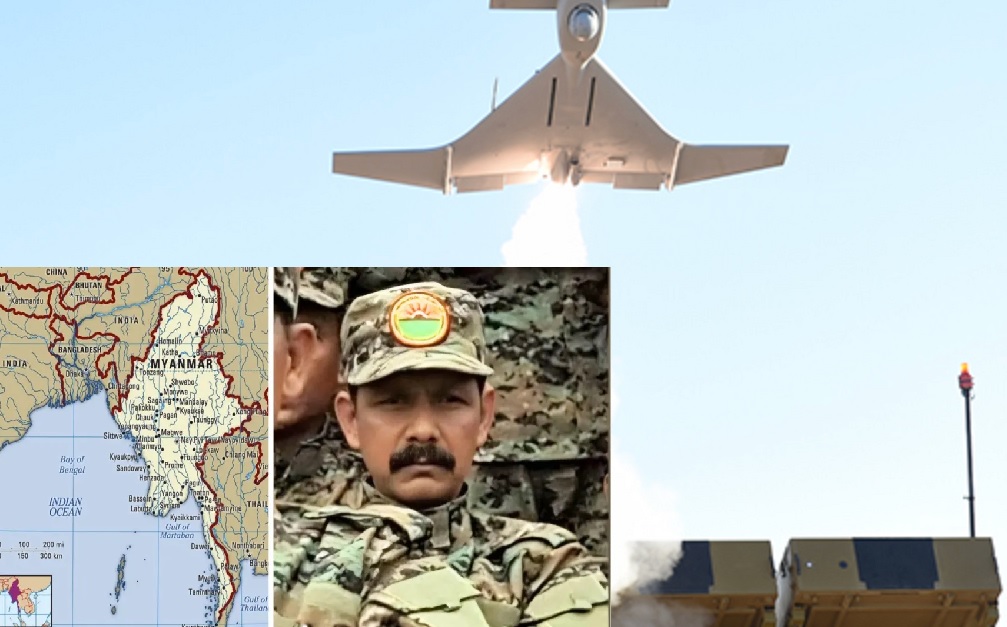
In a high-impact cross-border move, the Indian Army is reported to have conducted surgical drone strikes on militant camps belonging to ULFA-I (United Liberation Front of Asom - Independent) and NSCN-K (National Socialist Council of Nagaland - Khaplang) inside Myanmar territory. The operation, which took place in the early hours of Sunday, marks one of the largest and most technologically advanced actions taken by Indian forces against Northeast insurgent groups in recent years.
The Operation: Precision and Coordination
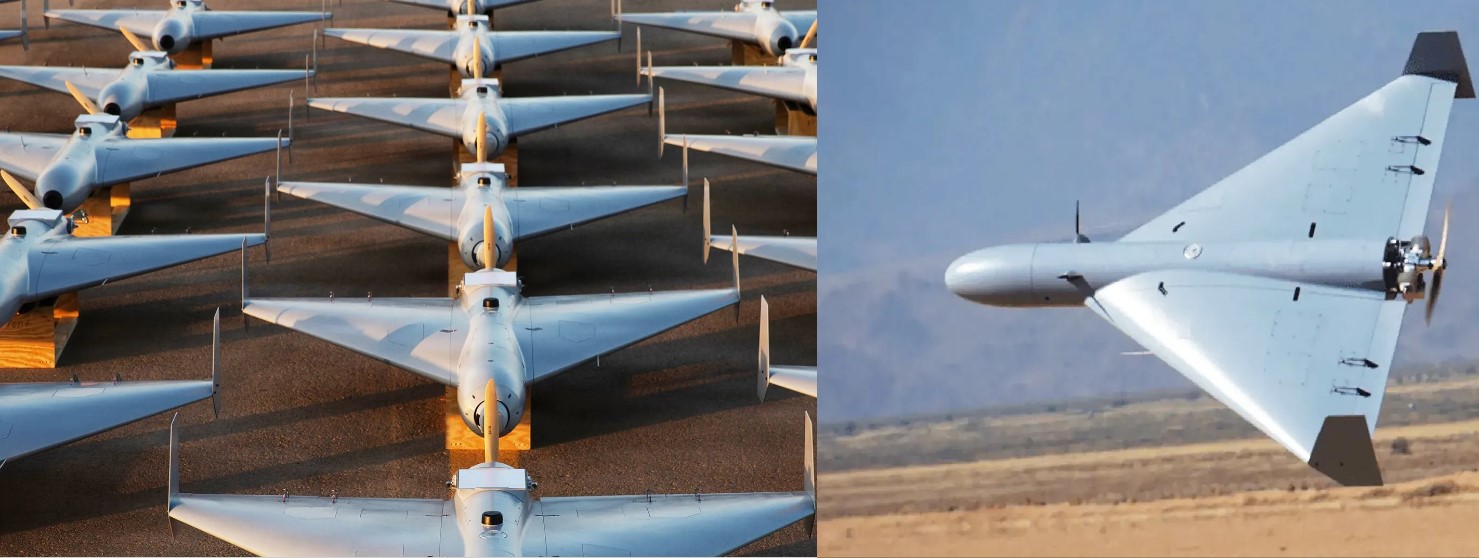
According to intelligence and security sources, over 100 unmanned aerial vehicles (UAVs) were deployed in the operation that targeted multiple camps across the Naga Self-Administered Zone, near the India-Myanmar border. The airstrikes reportedly took place between 2 AM and 4 AM, with drone swarms conducting coordinated assaults on pre-identified insurgent hideouts.
Though the Indian Defence Ministry has not officially confirmed the strikes, multiple sources have corroborated that the operation was executed in close coordination with the Myanmar military, ensuring the success of the mission while respecting international boundaries.
Targets and Damage: Heavy Blow to ULFA-I
As per reports, key camps of ULFA-I, including the Eastern Command Headquarters (ECHQ) at Hoyat Basti and the 779 Camp at Waktham Basti, were completely neutralized. Two additional camps, possibly used for training and logistics, were also hit.
ULFA-I, in a rare public statement, confirmed that the strikes occurred and admitted to the deaths of three senior leaders and injuries to 19 others. Among those reportedly killed was Nayan Medhi, alias Nayan Asom, a top commander and military trainer for ULFA-I. The outfit claimed that he died during his funeral, when the site was hit by another precision missile strike that also killed Brigadier Ganesh Asom and Colonel Pradip Asom.
The group also alleged that the attacks continued even after the initial strikes, stating that “airstrikes are still ongoing”, and vowed retaliation.
Drones Used: Advanced and Foreign-Origin
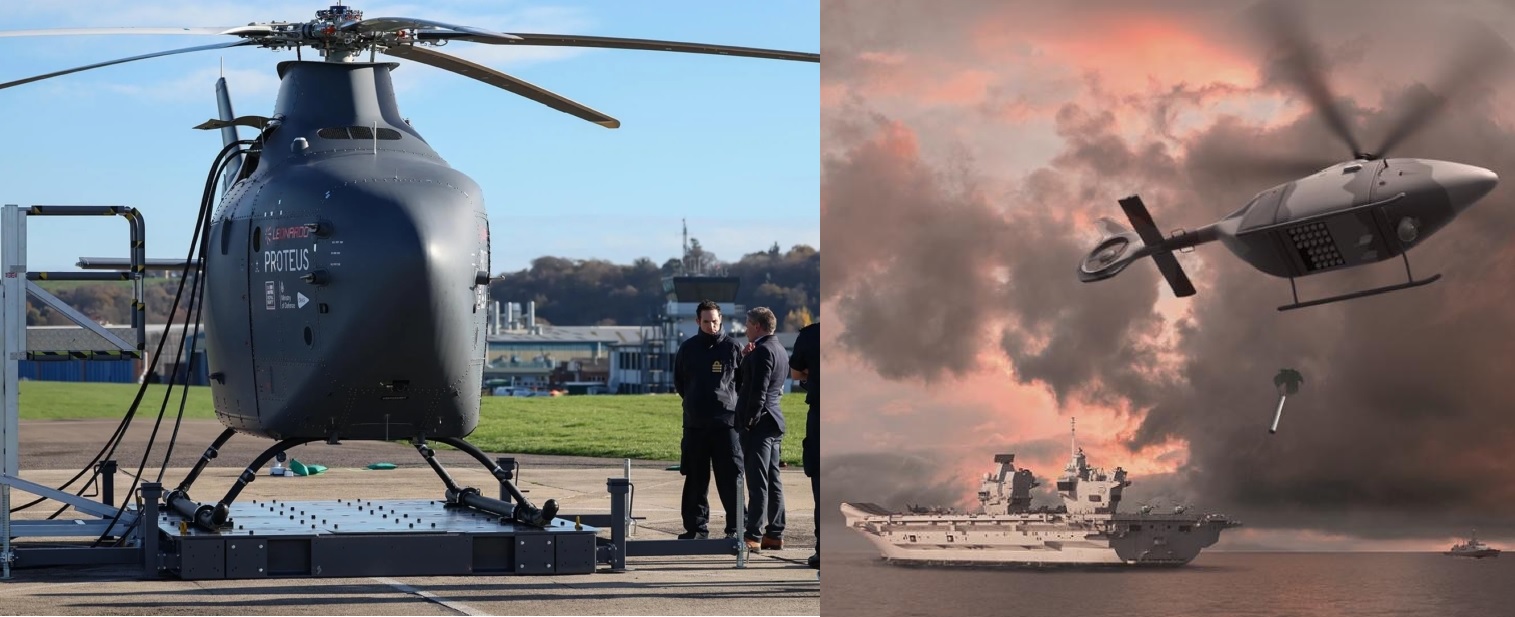
ULFA-I claimed that the UAVs used in the strikes were of Israeli and French origin, hinting at advanced military technology being used by Indian forces. While details remain unverified, India is known to operate Heron drones from Israel and has acquired loitering munitions and surveillance drones from various foreign and domestic sources.
The deployment of such a large fleet of drones indicates an evolution in India’s counter-insurgency tactics—from ground assaults to remote-controlled precision warfare. The use of drones also allows forces to minimize risk to personnel while carrying out deep strikes in difficult terrain.
Understanding ULFA-I and NSCN-K
ULFA-I is a banned separatist group based in Assam that seeks the creation of a sovereign Assam, independent of India. The group operates primarily under the leadership of Paresh Baruah, who remains at large. Over the years, ULFA-I has established strategic alliances with other Northeast insurgent groups like the People's Liberation Army (PLA) and Revolutionary People's Front (RPF).
NSCN-K, on the other hand, is a Naga insurgent group that has long demanded sovereignty for Nagaland and adjacent areas. The Khaplang faction has been involved in anti-India activities and has used Myanmar's remote regions as safe havens for years.
Both groups have been known to use the porous India-Myanmar border to maintain camps, recruit cadres, and launch attacks on Indian security forces.
Strategic Significance
This drone operation is significant for multiple reasons:
-
First known use of large-scale drone strikes by India in cross-border insurgent operations.
-
First major Indian strike inside Myanmar against Northeast militants since the 2015 cross-border raids.
-
It sends a clear message of zero tolerance towards insurgent groups operating from foreign soil.
-
It showcases India’s growing reliance on indigenous and high-tech military solutions, including surveillance, targeting, and autonomous systems.
The last such major counter-insurgency operation in the region was back in 2003, when the Royal Bhutan Army, in collaboration with Indian forces, dismantled insurgent camps in southern Bhutan.
While official silence from the Indian side continues, the statements from ULFA-I confirm that the group has suffered a significant setback, both strategically and symbolically. The loss of senior leadership and key infrastructure could limit the group’s operational capacity in the near future.
As the Indian Army continues to evolve its tactics with the help of cutting-edge technology, such operations may become more common, especially against groups using foreign soil as cover.
This strike underscores a clear shift in India’s security doctrine—from passive containment to proactive elimination, especially when national security and territorial integrity are at stake.
✍️ This article is written by the team of The Defense News.