Indian Army Release RFI For VSHORAD Systems to Enhance Air Defense
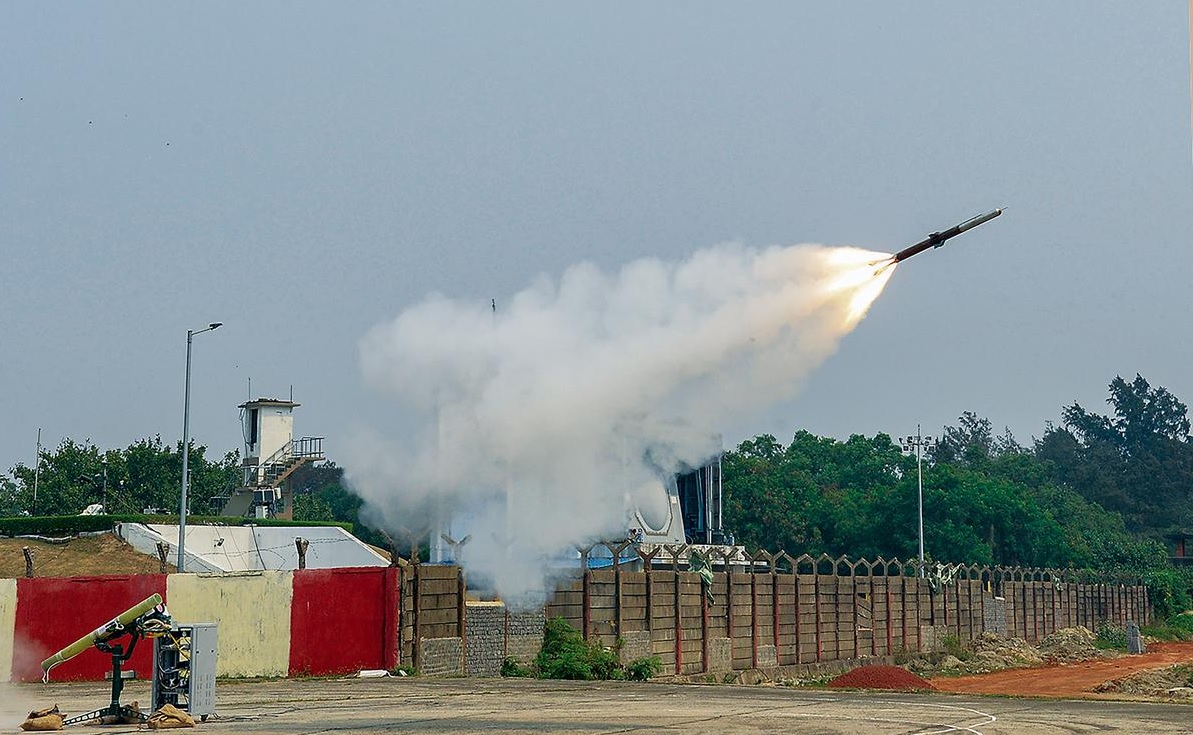
The Indian Army has issued an RFI for Very Short Range Air Defence Systems (VSHORADs) to strengthen its layered air defense capabilities against aerial threats.
India's defense sector is gearing up for a significant upgrade as the Indian Army has released a Request For Information (RFI) for new Very Short Range Air Defence Systems (VSHORADs). These systems are crucial for providing the last line of defense for ground troops against enemy aircraft, helicopters, and drones.
Layered Air Defense Explained
A comprehensive air defense strategy involves three layers: high-level, medium-level, and low-level systems. These systems are designed to detect and neutralize enemy aircraft at various altitudes. High-level and medium-level air defense systems can detect and target enemy aircraft from hundreds of kilometers away, even those with low radar visibility.
Role of VSHORAD Systems
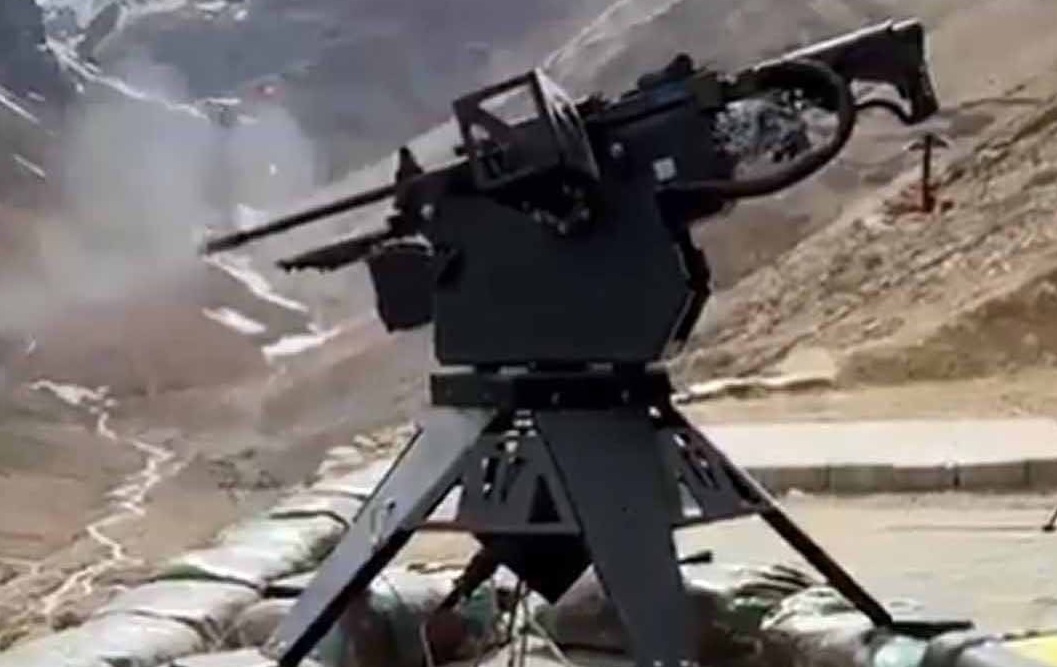
VSHORAD systems are specifically designed to counter low-flying enemy aircraft and helicopters that evade detection by long-range systems. These systems are often man-portable and include both missile and gun systems. Examples include the Stryker air defense variant, the Humvee-based Avenger system, and the Tunguska and Pantsir systems.
Historically, VSHORAD systems gained prominence during the Soviet-Afghan War, where they proved effective against Russian aircraft. Their effectiveness is also evident in the current conflict in Ukraine, where both sides use these systems extensively near the front lines to counter enemy air power, including drones and attack helicopters.
India's Current and Future VSHORAD Needs
India has recently started inducting the Igla-S missile system, a modern variant of the older Igla-M missiles. The new RFI aims to procure advanced MANPADS capable of targeting fighters, helicopters, and drones with low heat signatures. The Army is open to various guidance systems, including laser-guided options like the Swedish RBS-70 and the British Starstreak missile systems.
The RFI specifies that the new system should be versatile, capable of operating in diverse conditions—from high altitudes of 5,500 meters to coastal areas, deserts, and humid riverine environments. It should also function effectively in temperatures ranging from -30°C to +45°C and be robust enough for para-dropping.
India’s Home-Grown Efforts
The Defence Research and Development Organisation (DRDO) of India has developed its own VSHORAD system, which has successfully cleared multiple trials. This indigenous system features advanced technologies like the Reaction Control System for enhanced maneuverability and an uncooled infrared seeker for easier logistics.
Global Competitors
Manufacturers of renowned missile systems such as the Russian Verba, French Mistral, and U.S. Stinger are expected to respond to the RFI. The RFI also includes requirements for simulators and test equipment for the missile systems.
Conclusion
India’s quest for advanced VSHORAD systems underscores its commitment to enhancing its air defense capabilities. By integrating state-of-the-art technologies and considering diverse environmental conditions, the Indian Army aims to fortify its defenses against a wide range of aerial threats.
✍️ This article is written by the team of The Defense News.