Indian Army Reaches 91% Ammunition Self-Sufficiency, 159 of 175 Variants Indigenised
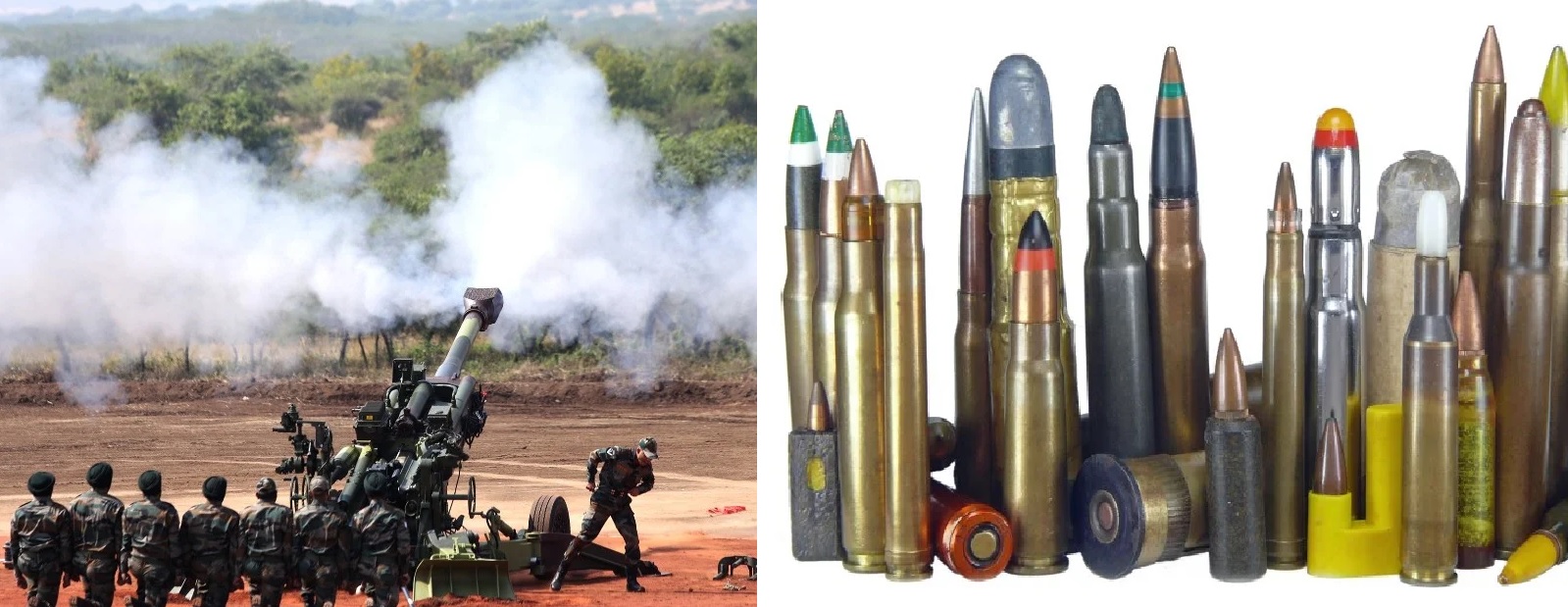
The Indian Army has indigenised 159 of the 175 ammunition variants used across its inventory, achieving 91% self-sufficiency and reducing reliance on imported ammunition. The initiative is intended to ensure continuous availability of ammunition during extended military operations, defence officials said.
Work is currently underway to indigenise the remaining 16 ammunition variants, which involve more complex manufacturing and testing requirements.
The focus on domestic ammunition production reflects a reassessment of operational logistics. Defence planners note that modern conflicts place sustained demand on ammunition stocks, and dependence on overseas supply chains can create vulnerabilities during periods of heightened tension or conflict. Indigenous manufacturing is therefore viewed as essential for maintaining operational continuity.
The current level of indigenisation is the result of a gradual process spanning more than a decade. In 2014, defence planning documents and parliamentary discussions identified shortfalls in ammunition availability and highlighted the risks associated with import dependence. These findings led to a structured effort to expand domestic manufacturing capacity.
By 2023, the government informed Parliament that 154 of the 175 ammunition variants, or about 88%, had been indigenised. The increase to 159 variants by 2025 indicates that five additional ammunition types have since transitioned to domestic production.
The 16 variants that remain to be indigenised are understood to include specialised ammunition types requiring advanced materials, precision components, or specific energetic formulations. Defence sources indicate that development and industrial scaling for these variants are in progress.
The programme is being implemented under the Army’s long-term framework titled Manufacture of Ammunition for Indian Army by Indian Industry, which was introduced in the mid-2010s. The framework aims to ensure at least one domestic manufacturing source for every ammunition type over a 10-year production horizon, supporting long-term supply stability.
The indigenisation effort is linked to the Army’s War Wastage Reserves (WWR) planning. According to defence planning norms cited in 2014, WWR levels were structured to support approximately 40 days of high-intensity operations. These norms emphasised that stockpiles must be complemented by the ability to replenish ammunition through domestic production during ongoing operations.
With 91% indigenisation now achieved, attention is shifting toward maintaining production quality, strengthening testing infrastructure, and ensuring the ability to increase output when required. Officials stated that these factors are necessary to support operational requirements over extended periods.
The indigenisation of 159 ammunition variants has reduced the Army’s exposure to external supply constraints and strengthened control over its ammunition supply chain. Completion of the remaining 16 variants is expected to further improve supply assurance and logistical planning.
✍️ This article is written by the team of The Defense News.