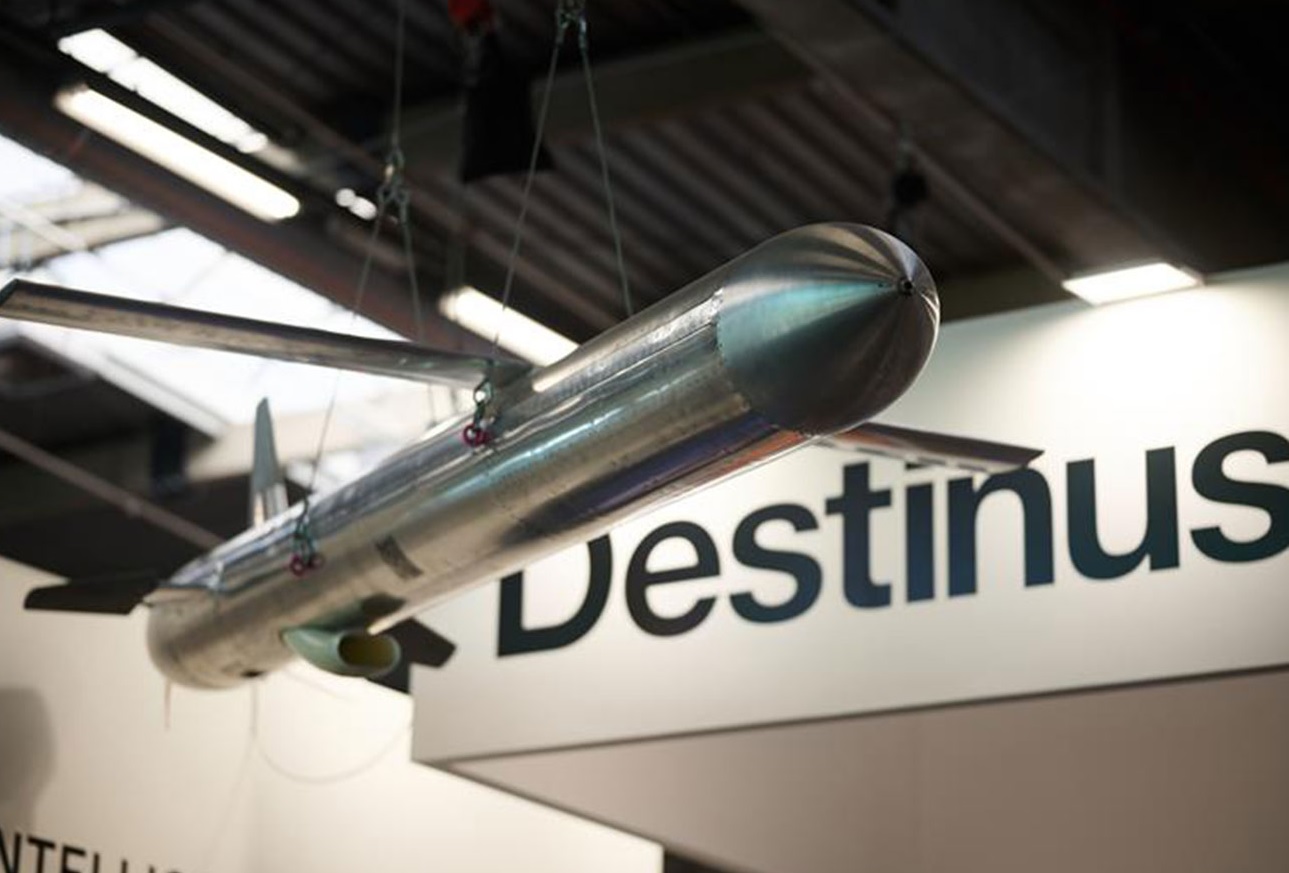
Indian Army Enhances Precision Strike Arsenal with 480 Nagastra-1 Loitering Munitions from Solar Industries
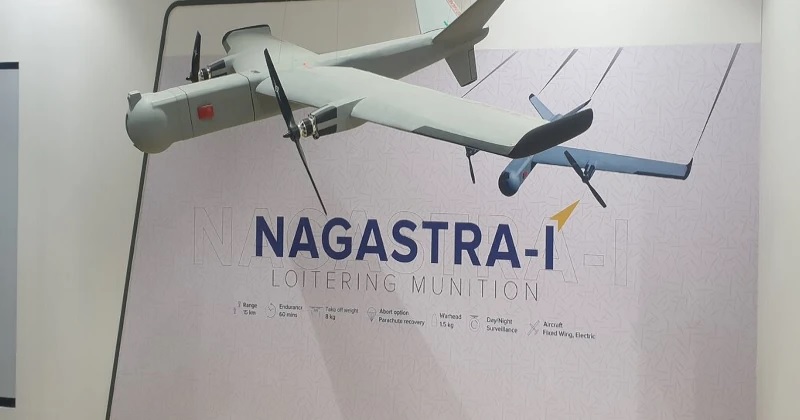
The Indian Army has taken a significant leap forward in its precision strike capabilities by inducting 480 Nagastra-1 loitering munitions. Developed by Economic Explosives Ltd (EEL), a subsidiary of Solar Industries, these cutting-edge munitions represent a new chapter in India’s commitment to indigenous defense technology under the Atmanirbhar Bharat initiative.
A Game-Changing Addition to Modern Warfare
The Nagastra-1 is a versatile loitering munition designed to operate as a highly effective precision strike system. Often referred to as a "kamikaze drone," this lightweight and portable munition can hover over a target area, allowing operators to identify and neutralize high-value targets with unmatched accuracy.
With a payload capacity of 1 kg and weighing just 9 kg, the Nagastra-1 is tailored for tactical operations. Its operational range spans 15 kilometers under manual control and extends to 30 kilometers in autonomous mode. The system's endurance of up to 60 minutes ensures ample time for reconnaissance and precision engagement.
A standout feature is its GPS-guided strike capability, achieving an accuracy of within a 2-meter radius. The Nagastra-1 also includes a parachute recovery mechanism, enabling safe retrieval if a mission is aborted or a target is not identified.
Designed for Dual Missions
Equipped with advanced day-and-night cameras, the Nagastra-1 is capable of dual functionality: reconnaissance and offensive operations. This capability underscores its importance in modern combat scenarios where intelligence gathering is as critical as neutralizing threats.
The system's kamikaze mode has been a game-changer, particularly in recent global conflicts. The ability to self-destruct upon target impact has proven highly effective against enemy personnel, vehicles, and other assets, further highlighting the importance of loitering munitions in asymmetric warfare.
Indigenous Edge
With approximately 75% indigenous content, the Nagastra-1 is a proud milestone for India’s defense manufacturing sector. The system was ordered under the emergency procurement powers of the Indian Army, ensuring its rapid delivery after stringent pre-delivery inspections.
Solar Industries and EEL are not stopping here. Work is already underway on advanced iterations—Nagastra-2 and Nagastra-3—which promise extended range and enhanced payload capacities. These upgrades aim to make India a global leader in loitering munitions technology.
Keeping Pace with Global Trends
Loitering munitions have emerged as a pivotal tool in modern warfare, blending the capabilities of UAVs with precision strike systems. The Nagastra-1’s induction places India on par with nations like the United States and Israel, who have extensively utilized such systems in combat scenarios.
The Indian Army’s adoption of the Nagastra-1 aligns with evolving battlefield requirements, particularly against non-linear threats. It also sends a strong signal of India’s growing self-reliance in defense manufacturing, reducing dependency on foreign imports while bolstering its armed forces with state-of-the-art technology.
As India invests in advanced loitering munitions and indigenous drone systems under the Indigenously Designed, Developed, and Manufactured (IDDM) initiative, the future of its defense capabilities looks promising. The Nagastra-1 is more than just a weapon; it is a testament to the potential of Indian ingenuity in redefining warfare.
✍️ This article is written by the team of The Defense News.