Indian Army Deployed 2 Rudra Integrated Battle Groups in Ladakh and Sikkim
The Indian Army is set to deploy two Rudra Integrated Battle Groups (IBGs) in eastern Ladakh and Sikkim along the Line of Actual Control (LAC) with China within the next few months, marking a significant step in modernizing its border defense strategy. Announced by Army Chief General Upendra Dwivedi on July 26, 2025, during the Kargil Vijay Diwas, these brigades represent a transformative approach to warfare, integrating advanced technologies like the Internet of Things (IoT) to enhance operational readiness. This article explores the Rudra IBGs, the role of IoT in modern warfare, the benefits it offers, and the evolution from the earlier IBG concept.
Rudra Integrated Battle Groups: A New Era of Warfare
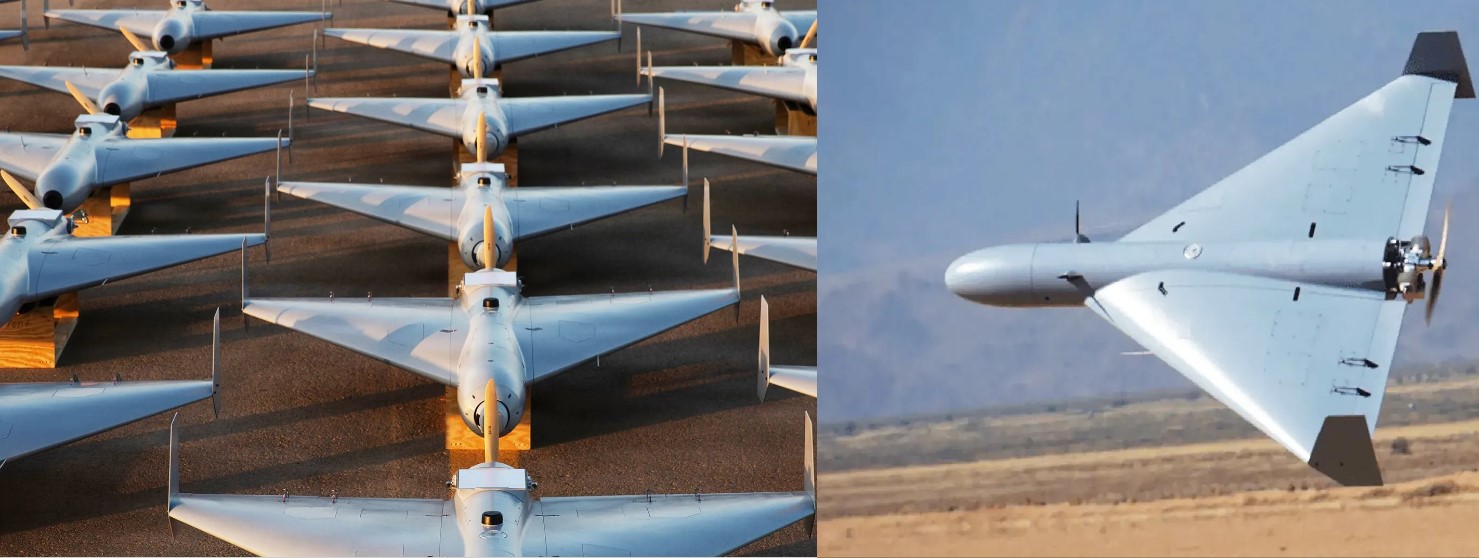
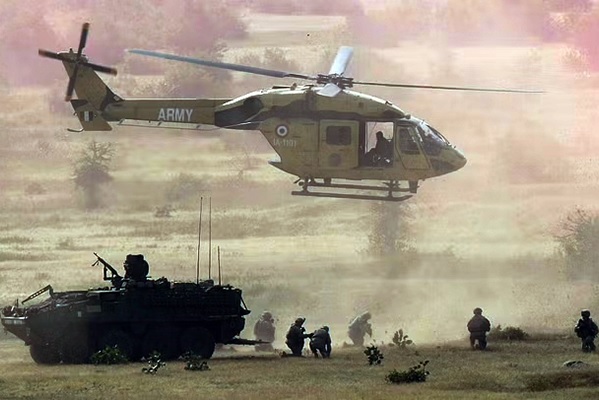
The Rudra IBGs are agile, brigade-sized units designed to be self-sufficient and versatile, combining infantry, mechanized infantry, tanks, artillery, special forces, and unmanned aerial systems (UAVs) under a single command. Unlike traditional brigades that focus on specific roles, Rudra IBGs are multi-domain, all-arms formations tailored for rapid response in diverse terrains, such as the high-altitude regions of Ladakh and Sikkim. These units incorporate advanced weaponry, including armed drones, loitering munitions, and precision-guided systems, supported by dedicated logistics and combat support. The strategic deployment in eastern Ladakh, a flashpoint since the 2020 Galwan clash, and Sikkim, a geopolitically sensitive tri-junction with China and Bhutan, underscores their importance in strengthening India’s northern frontier.
The Role of IoT in Modern Warfare
The Internet of Things (IoT) refers to the network of interconnected devices that collect, share, and analyze data in real-time, enabling enhanced decision-making and operational efficiency. In modern warfare, IoT integrates sensors, drones, vehicles, weapons systems, and soldier-worn devices into a cohesive network, creating a "smart battlefield." For the Rudra IBGs, IoT is a cornerstone of their technological edge, enabling seamless communication, real-time intelligence, and coordinated operations across multiple domains.
Key IoT Applications in Rudra IBGs
-
Real-Time Surveillance and ISR (Intelligence, Surveillance, Reconnaissance): IoT-enabled drones and sensors provide continuous battlefield monitoring, delivering real-time data on enemy movements and terrain conditions. The Divyastra batteries, part of the Rudra framework, use IoT to integrate surveillance UAVs and loitering munitions for precise targeting.
-
Networked Command and Control: IoT facilitates a centralized command system where commanders can access data from all units—infantry, artillery, and drones—instantly, improving situational awareness and response times.
-
Smart Logistics: IoT streamlines supply chains by tracking equipment, ammunition, and fuel in real-time, ensuring self-sufficiency in remote areas like Ladakh and Sikkim.
-
Predictive Maintenance: IoT sensors on tanks, vehicles, and artillery predict maintenance needs, reducing downtime and enhancing operational readiness.
-
Soldier Systems: Wearable IoT devices monitor soldiers’ health, location, and vitals, enabling rapid medical response and improving troop safety.
Benefits of IoT in Warfare
The integration of IoT into the Rudra IBGs offers several strategic advantages:
-
Enhanced Situational Awareness: IoT provides a comprehensive battlefield picture, allowing commanders to make informed decisions quickly. For instance, drone platoons in infantry battalions enhance surveillance capabilities.
-
Rapid Response and Agility: IoT-enabled systems reduce the time between detection and action, critical for the Rudra IBGs’ mission of swift, multi-axis offensives.
-
Precision and Efficiency: IoT-driven precision strikes, as seen in the Shaktibaan artillery regiments, minimize collateral damage and maximize impact.
-
Operational Independence: By integrating logistics and combat support, IoT ensures Rudra IBGs can operate autonomously in challenging terrains, reducing reliance on external reinforcements.
-
Cost Efficiency: IoT optimizes resource use, such as fuel and ammunition, and reduces maintenance costs through predictive analytics, aligning with the Indian Army’s goal of economical modernization.
Evolution from Old Integrated Battle Groups
The concept of Integrated Battle Groups (IBGs) was first proposed in 2019 by former Army Chief General Bipin Rawat under the Cold Start Doctrine, aimed at rapid, limited offensives against Pakistan. These IBGs were envisioned as brigade-sized units of 5,000–6,000 troops, led by Major Generals, combining infantry, armor, artillery, and support units for swift strikes within 12–48 hours. Two IBGs were planned—one under the 9 Corps (Western border with Pakistan) and another under the 17 Strike Corps (Northern border with China). However, the initiative faced challenges, including bureaucratic delays, funding issues, and resistance to abolishing the Brigadier rank.
The Rudra IBGs, announced in 2025, are a refined evolution of this concept. Unlike the original IBGs, Rudra brigades are smaller (around 3,000 troops), led by Brigadiers, and focus on integrating advanced technologies like IoT, drones, and cyber capabilities. They build on lessons from recent operations, such as Operation Sindoor, and align with global trends toward leaner, tech-driven forces, as seen in the U.S. Army’s Brigade Combat Teams and China’s Combined Arms Brigades. The Rudra IBGs also address past logistical and doctrinal hurdles by reorganizing existing units rather than raising new ones, making them more feasible to implement.
Challenges and Future Prospects
While the Rudra IBGs promise a leap forward, challenges remain:
-
Training Complexity: Soldiers must be trained to handle diverse equipment and IoT systems, requiring extensive programs.
-
Integration Issues: Combining multiple arms and technologies demands robust communication systems and interoperability.
-
Logistical Demands: Supporting advanced equipment in remote, high-altitude areas poses significant challenges.
-
Cost Management: While reorganizing existing units is cost-effective, IoT and advanced weaponry require substantial investment.
Looking ahead, the Rudra IBGs are expected to serve as a template for broader military modernization, potentially aligning with India’s Integrated Theatre Commands. Their success will depend on rigorous training, technological integration, and feedback from initial deployments in Ladakh and Sikkim.
The deployment of Rudra IBGs in Ladakh and Sikkim marks a pivotal moment in India’s military evolution, blending traditional combat strategies with cutting-edge IoT technologies. By enhancing situational awareness, agility, and precision, IoT empowers these brigades to address modern warfare’s complexities. Building on the lessons of the earlier IBG concept, the Rudra IBGs represent a pragmatic, technology-driven approach to securing India’s borders. As they become operational in the coming months, these units will likely redefine India’s defense capabilities, ensuring a robust response to threats in an increasingly volatile geopolitical landscape.
✍️ This article is written by the team of The Defense News.