India Unveils ₹20,000 Crore Nuclear Energy Mission with Three Pioneering Small Modular Reactor Projects
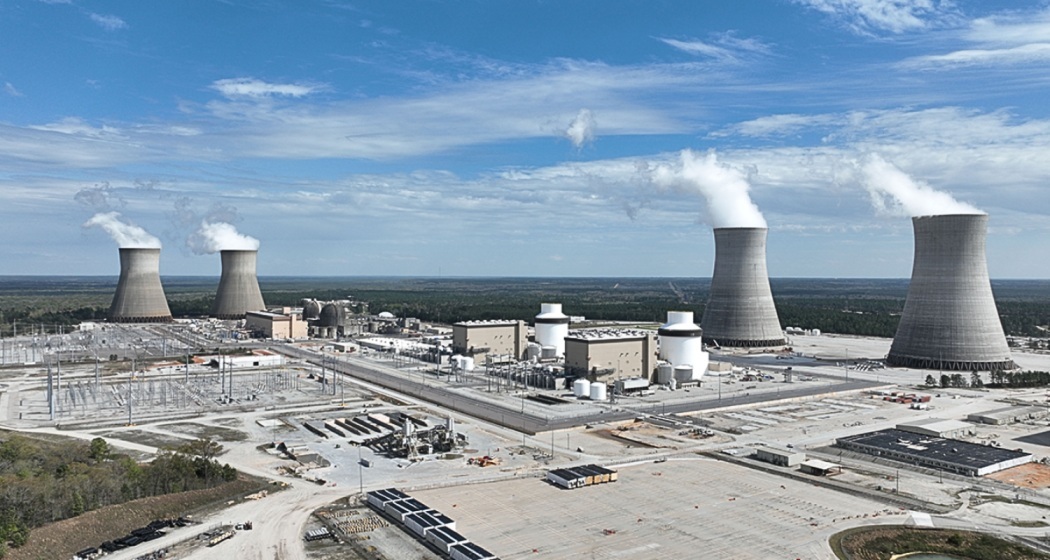
New Delhi, August 2025 – India has announced an ambitious ₹20,000 crore Nuclear Energy Mission, marking a decisive leap forward in the global clean energy race. The initiative, led by the Department of Atomic Energy (DAE), focuses on the development of three advanced Small Modular Reactor (SMR) designs aimed at reshaping the country’s power landscape, accelerating the transition away from fossil fuels, and reinforcing India’s position as a future nuclear technology exporter.
Shaping a New Nuclear Era
The programme is a cornerstone of India’s broader commitment to achieve net-zero carbon emissions by 2070, while ensuring energy security and industrial resilience for one of the fastest-growing economies in the world. Unlike traditional nuclear reactors, which are large, complex, and capital-intensive, SMRs are compact, scalable, and flexible, making them suitable for diverse deployment environments.
The three reactor designs under development reflect targeted solutions for India’s evolving energy needs:
1. Bharat Small Modular Reactor (BSMR-200) – 200 MWe
The BSMR-200 has been designed as a direct replacement for retiring coal-fired thermal power plants. By installing modular reactors on existing brownfield coal plant sites, India can reuse grid connections, water systems, and other infrastructure, dramatically cutting down construction costs and timelines.
This innovative approach helps India address two pressing issues simultaneously:
-
Phasing out coal while preventing stranded infrastructure.
-
Maintaining reliable power supply by plugging SMRs into the existing grid.
Energy-intensive industries such as aluminium, steel, and petrochemicals are also expected to benefit, with captive BSMR-200 units ensuring uninterrupted clean power for their operations.
2. SMR-55 – 55 MWe
The SMR-55 is designed for remote, off-grid, and hard-to-access regions. With a capacity of 55 MWe, it will replace diesel-based power in hilly terrain, island territories, and India’s Northeast, where electricity supply is often unreliable.
Apart from providing clean and stable power for civilian needs, the SMR-55 also offers a strategic edge by supplying electricity to defence outposts and border infrastructure in isolated geographies. This dual role makes it a vital asset for both national development and security.
3. High Temperature Gas-Cooled Reactor (HTGR) – 5 MW(th)
Perhaps the most transformative of the three, the 5 MW(th) High Temperature Gas-Cooled Reactor (HTGR) is focused exclusively on green hydrogen production. Instead of producing electricity, this reactor uses high-temperature process heat to split water more efficiently, offering a zero-carbon pathway to hydrogen.
This aligns with India’s National Hydrogen Mission, which aims to make the country a leading global hub for green hydrogen production and export. The HTGR will support hard-to-abate industries such as steel, cement, and fertilisers, while also enabling cleaner transport systems.
Deployment Strategy
According to the DAE’s roadmap:
-
First-of-a-kind units for each SMR design will be built at controlled DAE facilities to ensure safe commissioning and regulatory oversight.
-
Once proven, subsequent reactors will be deployed at retiring coal power plant sites and end-user industrial facilities, maximising reuse of existing assets.
-
This phased rollout will minimise costs and risks while ensuring faster adoption of the technology.
Global and Strategic Significance
By investing heavily in SMR development, India joins the ranks of leading nations such as the United States, Russia, and China, all of whom are exploring modular nuclear technologies. Unlike conventional large nuclear plants, which can take over a decade to construct, SMRs can be built in shorter timeframes and deployed in a modular fashion based on demand.
India’s approach—linking SMRs with coal retirement, remote energy access, and hydrogen production—demonstrates a unique model tailored to developing economies. Experts believe this could position India not only as a domestic user but also as an exporter of SMR technology to countries in Asia, Africa, and beyond, where modular reactors could deliver sustainable and affordable clean energy.
Beyond Traditional Nuclear
Historically, India’s nuclear programme has revolved around Pressurised Heavy Water Reactors (PHWRs) and fast breeder technologies. With the launch of this mission, India is embracing flexible, modular, and application-specific nuclear solutions that integrate with emerging clean energy vectors such as hydrogen and decentralised grids.
This represents a paradigm shift in nuclear strategy, expanding from large-scale generation to distributed, multipurpose energy solutions.
The ₹20,000 crore Nuclear Energy Mission is more than just a technological project—it is a strategic roadmap for India’s clean energy future. By combining repurposed coal sites, decentralised SMRs, and nuclear-powered hydrogen, India is addressing the triple challenge of:
-
Transitioning away from coal,
-
Expanding reliable power access, and
-
Decarbonising heavy industries.
As the world looks toward Small Modular Reactors as the next frontier of nuclear power, India’s early and ambitious investment ensures that it will not only meet its own clean energy goals but also emerge as a global leader in modular nuclear technologies.
✍️ This article is written by the team of The Defense News.