India-US Joint NISAR Satellite Successfully Launched, Set to Transform Global Earth Observation

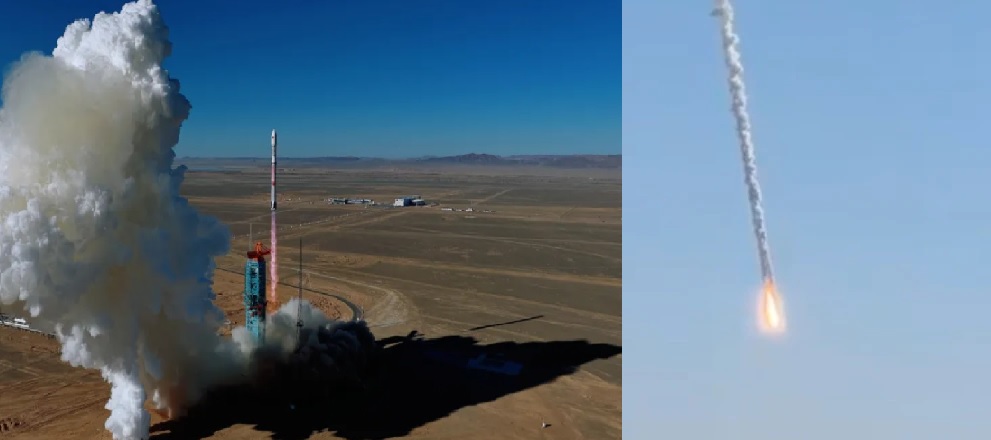
In a major milestone for global space collaboration, the joint ISRO-NASA satellite ‘NISAR’ was successfully launched into orbit on July 30, 2025, at 5:40 PM IST. The historic launch took place from the Satish Dhawan Space Centre (SDSC) in Sriharikota, with India’s GSLV-F16 rocket carrying the advanced satellite into space.
The NISAR satellite—short for NASA-ISRO Synthetic Aperture Radar—is the first Earth observation mission of its kind, blending the strengths of both Indian and American space technologies. It combines India’s S-band radar with NASA’s L-band radar, allowing it to deliver high-resolution, all-weather, day-and-night images of the Earth’s surface.
Weighing 2,393 kg, NISAR was placed in a Sun-Synchronous Polar Orbit, a special kind of orbit ideal for Earth monitoring. This is the first time a GSLV rocket has successfully placed a satellite into this precise type of orbit, marking a key technical achievement for ISRO.
What makes NISAR special is its dual-band Synthetic Aperture Radar, using an innovative SweepSAR technology. This enables the satellite to capture detailed images across a wide area, helping it scan the entire globe every 12 days. It will regularly monitor land deformation, ice sheet movement, forests, coastal zones, and even ecosystem changes.
With this capability, NISAR will support critical global efforts in climate change research, natural disaster response, and infrastructure tracking. Whether it's tracking the slow creep of tectonic plates, observing deforestation, or assessing flood damage, the satellite’s data will be crucial for scientists, governments, and planners worldwide.
The satellite now enters a 90-day post-launch commissioning phase, during which its systems will be tested and calibrated. Once operational, NISAR will have a planned mission life of five years.
Beyond its technical and scientific importance, the NISAR launch is a symbol of growing Indo-US space cooperation. It represents a successful partnership between two of the world’s leading space agencies, and sets the stage for more ambitious joint missions in the future.
✍️ This article is written by the team of The Defense News.