India Successfully Test-Fires Nuclear-Capable Prithvi-II and Agni-I Missiles
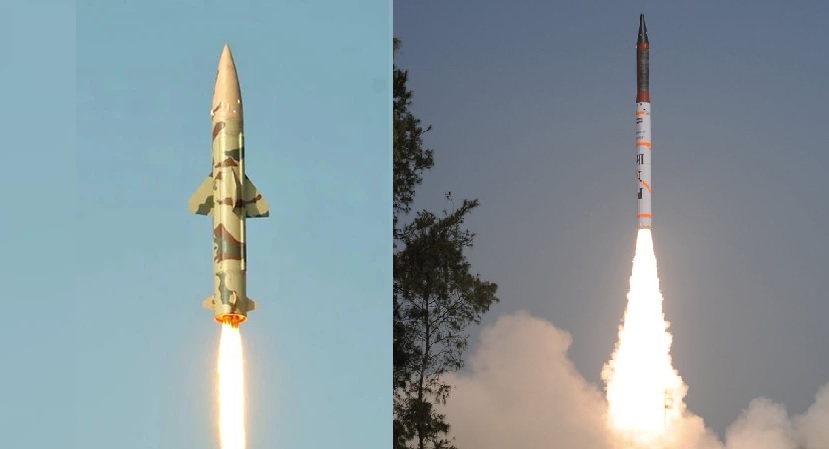
India on July 17, 2025, successfully test-fired two nuclear-capable ballistic missiles — the Prithvi-II and Agni-I — from the Integrated Test Range (ITR) in Odisha, as part of routine user trials by the Strategic Forces Command (SFC).
According to the Ministry of Defence, both missiles achieved their objectives flawlessly, validating all key operational and technical parameters. These tests are seen as an important signal of India's credible minimum deterrence and commitment to maintaining a strong and ready strategic arsenal.
The Prithvi-II missile, which has been in service since 2003, is a short-range ballistic missile (SRBM) developed by the Defence Research and Development Organisation (DRDO). It has a range of around 350 km and can carry a 500 kg payload, including both nuclear and conventional warheads. The missile is known for its liquid propulsion system, high accuracy, and quick launch capability, making it a key tactical weapon in India's arsenal.
Alongside it, India also tested the Agni-I missile, a medium-range ballistic missile (MRBM) that can strike targets 700 to 900 km away. With a payload capacity of up to 1,000 kg, the Agni-I serves as an essential component of India’s strategic force, especially suited for regional deterrence. It bridges the gap between the Prithvi series and longer-range Agni missiles.
Both tests were conducted under the supervision of the Strategic Forces Command, which is responsible for the deployment and management of India’s nuclear weapons. The successful launches confirm the missiles’ combat readiness and operational reliability, reinforcing India's defence posture amid a complex regional security environment.
These tests come just over two months after the military tensions seen between India and Pakistan in early May, underlining India's continued focus on strategic preparedness and maintaining peace through strength.
Experts believe that such periodic tests ensure that India’s deterrent forces are well-maintained, technologically sound, and ready for any scenario. They also reflect India’s firm commitment to a “No First Use” nuclear policy, while keeping its deterrent forces in a state of constant readiness.
With this successful test, India has once again sent a strong message of technological self-reliance, military preparedness, and strategic stability, keeping pace with its security challenges in the region.
✍️ This article is written by the team of The Defense News.